Vitamin D Supplements May Slow Cellular Aging by Protecting Telomeres
Recent research suggests that daily vitamin D supplementation may help slow the cellular aging process by preserving telomere length—the protective caps on our chromosomes that shorten with age. A five-year study found that adults taking 2,000 IU of vitamin D daily maintained telomere length significantly better than those taking placebos. While these findings are promising, experts emphasize that vitamin D should complement, not replace, fundamental healthy lifestyle practices for optimal longevity.
Emerging research is shedding new light on vitamin D's potential role in slowing the biological aging process. A comprehensive five-year study conducted at Augusta University has revealed that daily vitamin D supplementation may help preserve telomere length—the protective caps on our chromosomes that naturally shorten as we age. This discovery positions vitamin D as a potential ally in the quest for healthy aging, though experts caution that it works best as part of a broader health strategy.

Understanding Telomeres and Their Role in Aging
Telomeres function as the protective caps at the ends of our chromosomes, similar to the plastic tips on shoelaces that prevent fraying. Each time a cell divides, these telomeres naturally shorten. When they become too short, cells can no longer divide properly and eventually die. This progressive shortening is considered one of the fundamental mechanisms of biological aging and has been linked to various age-related conditions including cancer, heart disease, and osteoarthritis.
The Augusta University Study Findings
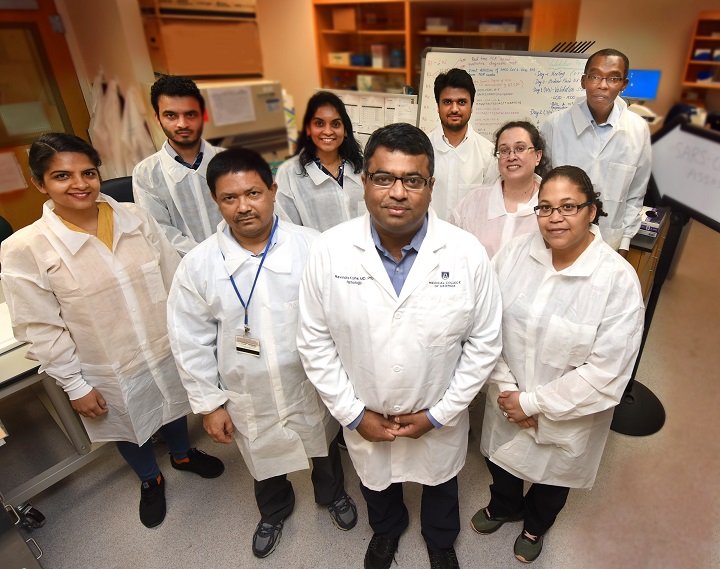
The groundbreaking research followed 1,031 adults with an average age of 65 over five years. Participants were randomly assigned to take either 2,000 IU of vitamin D daily or a placebo. Researchers measured telomere lengths at the beginning of the study, after two years, and again after four years. The results, published in The American Journal of Clinical Nutrition, showed that those taking vitamin D maintained their telomeres by 140 base pairs compared to the placebo group.
This preservation is particularly significant when considering that telomeres naturally shorten by approximately 460 base pairs over a ten-year period. The study adds to growing evidence that vitamin D's anti-inflammatory properties may help explain its protective effects on telomeres, as inflammation is known to accelerate telomere damage.
Vitamin D's Broader Health Benefits
While most people recognize vitamin D for its essential role in bone health and calcium absorption, its benefits extend far beyond skeletal strength. The vitamin also plays a crucial role in immune system function, with evidence showing that supplementation can reduce the risk of respiratory infections, particularly in deficient individuals. Early research even suggests potential protective effects against autoimmune diseases like rheumatoid arthritis, lupus, and multiple sclerosis, though more studies are needed to confirm these findings.
Important Considerations and Limitations
Despite the promising results, researchers emphasize several important caveats. The ideal dosage of vitamin D remains unclear—the 2,000 IU used in the Augusta study significantly exceeds the recommended daily intake of 600 IU for adults under 70 and 800 IU for older adults. Other studies have suggested benefits with as little as 400 IU daily for preventing common infections.
Experts also note that overly long telomeres might potentially increase the risk of certain diseases, suggesting there may be an optimal range that researchers have yet to define. The right dosage likely depends on individual factors including current vitamin D levels, diet, and how other nutrients interact in the body.
A Balanced Approach to Healthy Aging
While the findings about vitamin D and telomere preservation are exciting, researchers agree that supplementation should not be viewed as a standalone anti-aging solution. The strongest evidence for maintaining long-term health still points to fundamental lifestyle practices: eating a balanced diet rich in anti-inflammatory foods, regular exercise, adequate sleep, stress management, and avoiding smoking.
For individuals who are vitamin D deficient or at risk of bone problems, supplementation remains a well-supported choice. However, for the general population, vitamin D should be considered as one component of a comprehensive approach to healthy aging rather than a miracle solution.