Israel-Hamas Agree to First Phase of Gaza Peace Plan: What Comes Next
Israel and Hamas have reached agreement on the first phase of a U.S.-brokered peace plan that could mark a significant step toward ending the two-year conflict in Gaza. The deal includes the release of all hostages taken during the October 7, 2023 attacks and the withdrawal of Israeli troops to an agreed-upon line. While this represents a breakthrough after years of violence, crucial details about post-conflict governance and long-term security arrangements remain unresolved, raising questions about the sustainability of this fragile peace process.
In a significant development that could potentially reshape Middle Eastern geopolitics, Israel and Hamas have agreed to the first phase of a comprehensive peace plan brokered by the United States. This breakthrough comes exactly two years after the October 7, 2023 attacks that triggered one of the most destructive conflicts in recent regional history. While the agreement marks a crucial step toward de-escalation, experts caution that numerous challenges remain before a lasting peace can be achieved.
The Agreement Framework
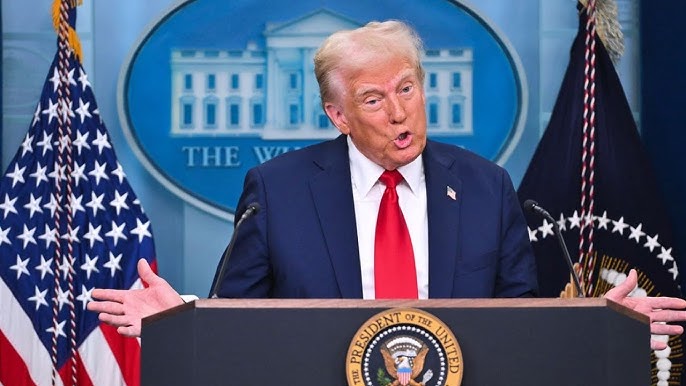
The peace plan, announced by U.S. President Donald Trump through his Truth Social platform, represents a 20-point framework developed through indirect negotiations in Egypt. According to the announcement, both parties have "signed off" on the initial phase, which includes two critical components: the release of all hostages—both living and deceased—and the withdrawal of Israeli Defense Forces to what has been termed the "yellow line" in Gaza. This boundary represents an agreed-upon demarcation for the initial Israeli military pullback.
Hamas has confirmed its participation in the agreement while emphasizing the need for international guarantees to ensure Israeli compliance with the ceasefire terms. The militant organization has specifically called on President Trump and guarantor states to monitor implementation and verify that Israel follows through on its commitments regarding troop withdrawal and the cessation of military operations.
Implementation Timeline and Process
The agreement outlines a precise sequence of events that will unfold over the coming days. Israeli Prime Minister Benjamin Netanyahu has committed to convening his government to formally approve the deal, though sources indicate this is largely procedural given Israel's prior agreement to the terms. Once official approval is secured, Israel must withdraw its forces to the designated line within 24 hours.

Following the military withdrawal, a 72-hour countdown begins, after which Hamas is expected to release the 20 living hostages simultaneously. Israeli officials have indicated that this release could occur as early as Sunday or Monday. The process for returning deceased hostages will proceed gradually as Israeli forces continue their withdrawal from Gaza territory.
Key Unresolved Issues
Despite the progress represented by this initial agreement, several critical questions remain unanswered. The most significant uncertainty concerns the post-conflict governance structure for Gaza. All parties—including Israel, the United States, Western nations, and Arab states—have explicitly ruled out a continued governing role for Hamas, which has controlled Gaza since 2007. However, no clear alternative has been established.
President Trump's original peace framework envisions a role for the Palestinian Authority, but only after it undergoes substantial reforms. Meanwhile, Hamas has stated it would only relinquish control to a Palestinian technocrat government supervised by the Palestinian Authority and backed by Arab and Muslim countries, explicitly rejecting any foreign administration of Gaza.
Humanitarian and Prisoner Exchange Components
The agreement includes significant humanitarian provisions, with plans to dramatically increase aid deliveries to Gaza. Israeli officials have indicated that up to 600 trucks per day will soon begin entering the territory, while Palestinian sources suggest a minimum of 400 trucks daily with gradual increases. This represents a substantial improvement from the limited aid access during active conflict periods.

In parallel with the hostage release, Israel is expected to free approximately 2,000 Palestinian prisoners, including over 200 individuals serving life sentences. Hamas has already provided its lists of hostages being held and the Palestinian prisoners it seeks to have released. The prisoner list is reported to include prominent figures such as Marwan al-Barghouti, a Fatah movement leader, and Ahmed Saadat, head of the Popular Front for the Liberation of Palestine—both serving multiple life sentences for involvement in attacks that killed Israelis.
Potential Challenges and Risks
The successful implementation of this agreement faces several significant obstacles. Hamas has thus far refused to discuss Israel's demand that the militant organization disarm, with Palestinian sources indicating this condition would be rejected as long as Israeli troops occupy Palestinian territory. Additional sticking points include the precise mechanism for Israeli withdrawal, with Hamas seeking clear timelines linked to hostage releases and guarantees of complete military pullout.
Within Gaza, Israel has reduced military operations at President Trump's request but has not completely halted strikes. The situation remains volatile, and any resumption of significant hostilities could derail the fragile agreement. Furthermore, Arab countries insist that the peace process must eventually lead to Palestinian statehood, while Prime Minister Netanyahu has repeatedly stated this will never occur under his leadership.
International Involvement and Next Steps
The peace process involves multiple international actors, with Egypt, Qatar, and Turkey playing essential roles in facilitating negotiations. President Trump is expected to travel to the region in the coming days, potentially including a address to Israel's parliament if Prime Minister Netanyahu's invitation is accepted. The next phase of Trump's plan calls for establishing an international "Board of Peace" to oversee Gaza's post-conflict administration, which would be led by Trump and include former British Prime Minister Tony Blair.
Canadian Prime Minister Mark Carney has expressed optimism about the agreement while emphasizing the importance of the next 48 hours. In comments to reporters, Carney praised Trump's "decisive leadership" and indicated that Canada stands ready to support the process through humanitarian aid and other mechanisms.
While this initial agreement represents the most significant progress toward peace in years, the path forward remains fraught with challenges. The coming days will test the commitment of both parties to implementing the terms they have accepted, and the international community will be watching closely to see if this breakthrough can be transformed into a sustainable resolution to one of the world's most intractable conflicts.