Read on Global News
The Stalemate in Ukraine Peace Talks: Analyzing Russia and Ukraine's Conflicting Demands
U.S. President Donald Trump's extensive diplomatic push to end the nearly four-year war in Ukraine has encountered a significant impasse, with Moscow and Kyiv presenting sharply conflicting demands. This article analyzes the core positions of both Russia and Ukraine, as revealed in recent negotiations involving Trump's envoys. We examine Russia's insistence on territorial recognition, security concessions, and Ukraine's firm stance on sovereignty and future alliances, highlighting the complex challenges facing any potential peace agreement.
U.S. President Donald Trump has initiated the most significant diplomatic effort to resolve the Ukraine conflict since Russia's full-scale invasion began nearly four years ago. However, this push for peace has quickly collided with the fundamentally incompatible demands of Moscow and Kyiv, creating a diplomatic stalemate. The core challenge lies in bridging the gap between Russia's expansive territorial and political objectives and Ukraine's unwavering commitment to its sovereignty and future security. This article breaks down the entrenched positions of both sides, as outlined in recent negotiations, to understand why achieving a ceasefire, let alone a lasting peace, remains an elusive goal.

Russia's Demands: A Vision for a Neutralized Ukraine
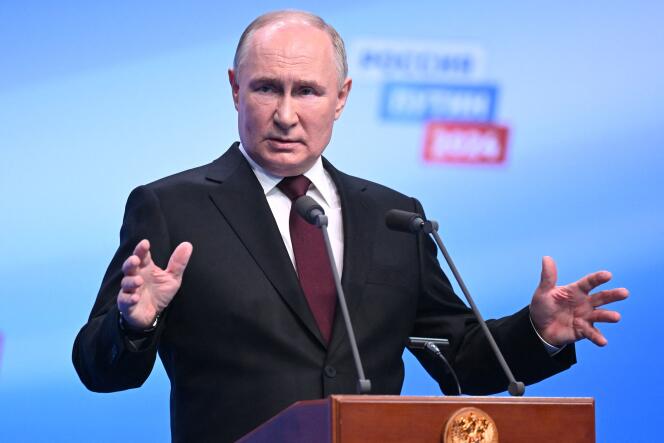
Russian President Vladimir Putin's conditions for ending hostilities, as reported in discussions with U.S. envoys, outline a comprehensive restructuring of Ukraine's territorial integrity and geopolitical orientation. Central to Moscow's position is the formal recognition of Crimea, annexed in 2014, and the four eastern Ukrainian regions currently under Russian military control as part of the Russian Federation. Beyond holding occupied land, Russia demands that Ukrainian forces withdraw from additional areas in the east that they still defend.
Politically, Russia insists on legally binding guarantees that would permanently alter Ukraine's strategic posture. This includes Ukraine abandoning its long-standing ambition to join the NATO alliance, a red line for Moscow. Further conditions involve limiting the size and capability of the Ukrainian military, granting the Russian language official state status, and recognizing the primacy of the Russian Orthodox Church within Ukraine. Crucially, Russia has refused to agree to any temporary ceasefire, stating it will only halt military operations once a full, final peace deal meeting all its demands is signed.
Ukraine's Position: Sovereignty and Security Guarantees
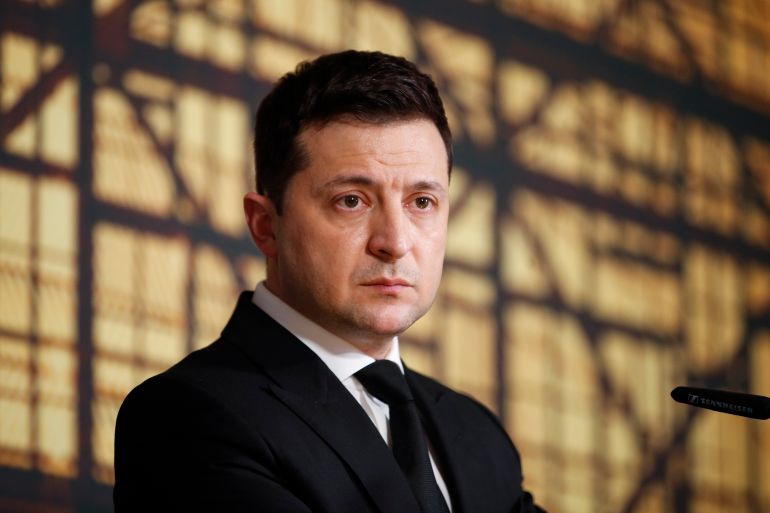
In contrast, Ukraine's negotiating stance, articulated by President Volodymyr Zelenskyy, is built on the principle of defending its sovereignty while seeking an end to the bloodshed. Kyiv has expressed a willingness to halt fighting along the current, active front line. However, this is not an offer to formally cede the territories currently under Russian occupation; it is proposed as a military ceasefire, not a political settlement of borders.
Ukraine has firmly rejected the core elements of Russia's plan. It will not surrender additional territory beyond the current front line, nor will it renounce its constitutional path toward Euro-Atlantic integration, including potential NATO membership. Instead, Ukraine's central demand in any peace agreement is the establishment of ironclad, long-term security guarantees from the United States and European allies. These guarantees are seen as essential to deter any future Russian aggression, providing the security assurance that NATO membership would offer. Ukrainian and European leaders have consistently accused Putin of using the negotiation process tactically, slow-walking talks to buy time for his military to make incremental gains on the battlefield.
The Diplomatic Impasse and Political Pressure
The recent shuttle diplomacy by Trump's special envoy, Steve Witkoff, and advisor Jared Kushner—who held marathon talks with Putin in Moscow before meeting Ukrainian officials in Florida—has failed to produce a public breakthrough. Reports indicate the U.S. proposal has been criticized for leaning favorably toward Moscow, adding to the tension. President Trump has shown growing impatience, suggesting publicly that Zelenskyy might be an obstacle to a deal, a claim Ukrainian officials have not substantiated.
Similarly, Putin has offered only qualified support for the American efforts, praising Trump's initiative while stating that parts of the plan remain unacceptable to Russia and require further work. This public posturing from both the U.S. and Russian leaders underscores the profound difficulties in mediation. The conflict is not merely about territory but about fundamentally opposed visions for Ukraine's future as either a sovereign European state or a neutralized buffer within Russia's sphere of influence.
Conclusion: A Path Forward Remains Unclear
The current state of Ukraine peace talks reveals a deep chasm between the warring parties. Russia's demands amount to a dictated peace that would cement its wartime gains and decisively influence Ukraine's internal and external policies. Ukraine's conditions focus on survival, sovereignty, and future security backed by Western powers. With both sides viewing their core demands as non-negotiable principles of national survival, the room for compromise appears vanishingly small. Until one side's military or diplomatic position shifts dramatically, or external mediators can forge a radically new framework, the stalemate is likely to persist, with the tragic human and material cost of the war continuing to mount.