Global News Wrap: Government Shutdown, Supreme Court Decisions, and International Developments
This news analysis covers key global developments including the ongoing U.S. government shutdown approaching its one-week mark, Supreme Court decisions rejecting appeals from Ghislaine Maxwell and other cases, the sudden resignation of French Prime Minister Sébastien Lecornu after just one day with his new cabinet, and Israel's deportation of over 170 activists from a Gaza aid flotilla. The wrap-up provides context on these significant political and legal developments affecting international relations and domestic policies across multiple nations.
As global political landscapes continue to shift, several significant developments emerged this week that highlight ongoing challenges in governance, international relations, and legal systems. From Washington's ongoing budget impasse to European political instability and Middle Eastern tensions, these events underscore the complex interplay between domestic policies and international affairs that shape our contemporary world.
U.S. Government Shutdown Enters Second Week
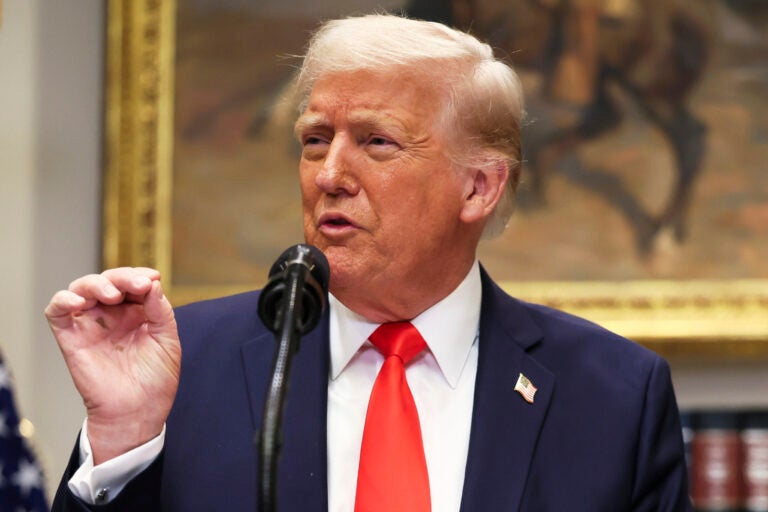
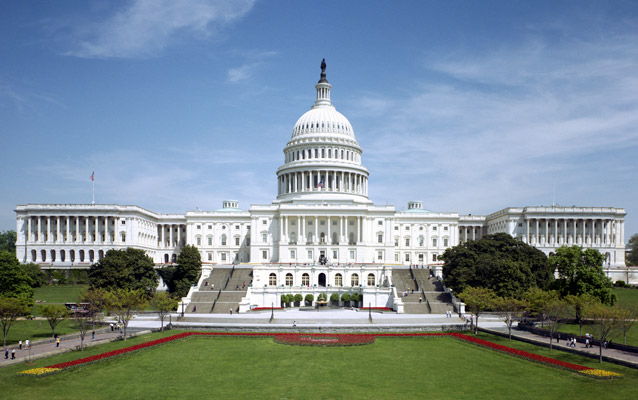
The United States government shutdown approaches the one-week mark with lawmakers appearing no closer to reaching a resolution. The political stalemate continues as both parties maintain their positions on key issues, particularly regarding healthcare subsidies that have become a central point of contention in budget negotiations. President Trump indicated openness to discussing healthcare matters with Democrats, suggesting potential flexibility in negotiations that could break the current deadlock.
House Speaker Mike Johnson has maintained that Republicans will not negotiate healthcare policy until after the government reopens, creating a circular impasse where each side demands the other move first. This political standoff reflects broader tensions in American governance and the challenges of bipartisan cooperation in divided government scenarios. The shutdown affects numerous government services and federal employees, with no immediate resolution in sight according to current assessments from both parties.
Supreme Court Rejects Key Appeals
The Supreme Court began its new term by rejecting several significant appeals, including one from Ghislaine Maxwell. Her legal team had argued that a previous plea deal should have shielded her from prosecution, but the court's decision means her only remaining path to early release would be through presidential clemency. Maxwell is currently serving a 20-year prison sentence for her involvement with Jeffrey Epstein.
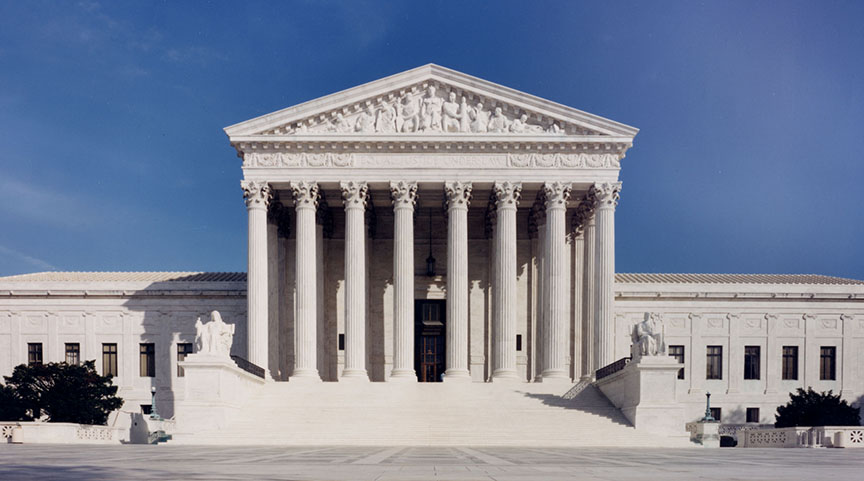
Additional rejected appeals included Missouri's attempt to revive a law that would have negated federal gun regulations within the state, a lawsuit by influencer Laura Loomer against social media platforms that removed her content, and an antitrust case involving Live Nation's ticket pricing practices. These decisions reinforce the court's role in setting legal boundaries across multiple sectors of American society and commerce.
French Political Instability Deepens
French Prime Minister Sébastien Lecornu resigned just one day after announcing his new cabinet, creating further political uncertainty in France. His cabinet selections had faced immediate criticism from both political allies and opponents, leading to his abrupt departure after less than a month in office. This development adds to ongoing political turbulence following President Emmanuel Macron's decision to call snap elections last year.
The resignation leaves France at a political crossroads, with President Macron now facing the decision of whether to appoint a new prime minister or dissolve the National Assembly and call early elections. Lecornu's government will manage day-to-day affairs in the interim period, but the rapid turnover highlights the challenges of maintaining stable governance in France's current political climate.
Middle Eastern Tensions Continue
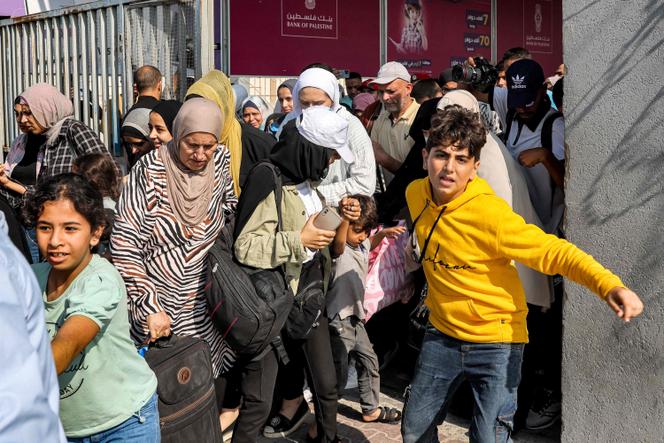
Israeli authorities reported deporting more than 170 activists who participated in a flotilla aiming to deliver aid to Gaza. The activists, including prominent climate activist Greta Thunberg, were returned to Athens after Israeli officials denied accusations of mistreatment during detention. Israel's Foreign Ministry characterized the flotilla as a public relations stunt while asserting that all participants' legal rights were upheld.
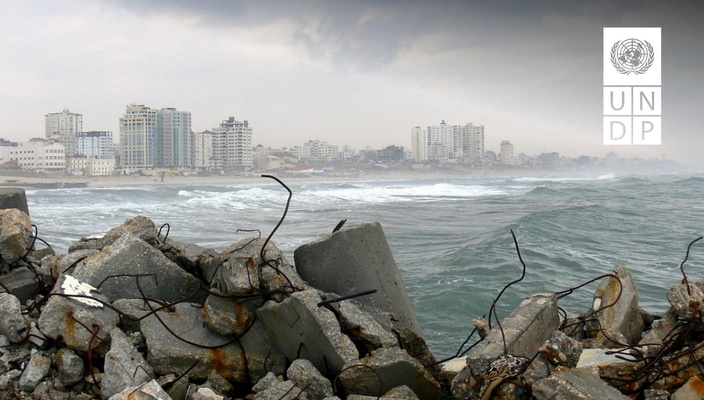
Meanwhile, lawyers indicate that approximately 150 people remain in Israeli custody, with dozens participating in hunger strikes to protest their detention. This incident represents the latest chapter in ongoing tensions surrounding humanitarian access to Gaza and illustrates the complex intersection of activism, international law, and regional conflicts in the Middle East.
These simultaneous developments across multiple continents demonstrate the interconnected nature of contemporary global affairs. From Washington's budget battles to Paris's political instability and Middle Eastern humanitarian controversies, each situation reflects broader patterns of governance challenges, legal disputes, and international tensions that continue to shape global politics as nations navigate complex domestic and international priorities in an increasingly interconnected world.