Humanitarian Crisis in Gaza: Ceasefire Brings Aid Amid Ongoing Challenges
The Gaza conflict has created a devastating humanitarian catastrophe, displacing nearly the entire population and creating famine conditions according to global monitors. While a fragile ceasefire has allowed aid trucks to resume entering the territory through the Rafah crossing, the situation remains precarious. The truce faces multiple challenges including disputes over hostage body returns, Hamas's refusal to disarm, and ongoing security crackdowns. This article examines the current humanitarian situation, the ceasefire implementation, and the complex political dynamics affecting Gaza's recovery.
The ongoing conflict in Gaza has resulted in one of the most severe humanitarian crises of our time, with nearly the entire population displaced from their homes and famine conditions confirmed by global monitoring organizations. The recent ceasefire agreement between Israel and Hamas has opened critical pathways for humanitarian aid, but the situation remains fragile and complex.
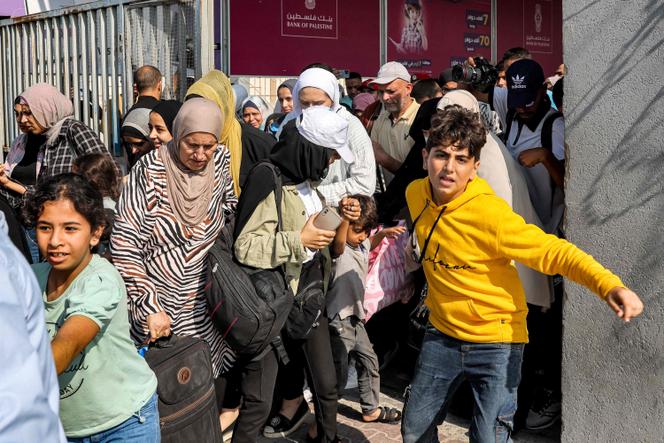
Humanitarian Catastrophe in Gaza
The scale of destruction and displacement in Gaza is unprecedented. According to reports from Global News, nearly all inhabitants have been driven from their homes, creating a massive internal displacement crisis. The infrastructure damage is so extensive that many residents returning to their neighborhoods find "no homes at all, no shelter, nothing" as one Gaza City resident described.
Ceasefire Implementation and Aid Delivery
The ceasefire agreement has enabled the resumption of humanitarian aid deliveries through multiple crossings, including the strategically important Rafah crossing. Under the terms of the truce, 600 aid trucks are scheduled to enter Gaza daily, carrying essential supplies including food, medical equipment, fuel, cooking gas, and infrastructure repair materials.
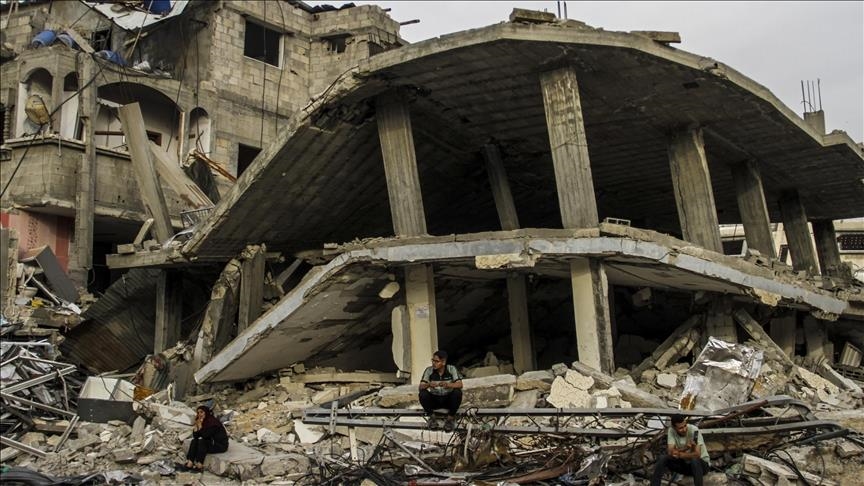
Rafah Crossing Operations
The reopening of the Rafah crossing represents a significant development, as Israel had closed this vital passage in 2007 after Hamas took control of Gaza. The Palestinian Authority is preparing to resume operations at the crossing with potential European Union assistance, though medical evacuations have not yet commenced despite the crossing's planned reopening for civilian movement.
Political Challenges and Security Concerns
The ceasefire faces multiple political challenges that threaten its sustainability. Far-right Israeli politicians have publicly criticized the aid deliveries, while Hamas has launched a security crackdown within Gaza, including public executions and clashes with local clans. These actions have drawn condemnation from Palestinian Authority chairman Mahmoud Abbas and complicate the truce's implementation.
Hostage Body Returns
A major point of contention has been the return of hostage bodies, with Israel threatening to reduce aid supplies when Hamas slowed the process. While some bodies have been returned, disputes continue over the remaining 21 hostage bodies still in Gaza, with an international task force established to locate and recover them.

Long-term Governance Questions
Critical long-term issues remain unresolved, including Gaza's future governance structure, the composition of an international security force, and progress toward Palestinian statehood. The ceasefire agreement requires Hamas to eventually disarm and cede power, which the group has so far refused to do, creating uncertainty about the truce's later phases.
The humanitarian situation in Gaza represents an urgent crisis requiring sustained international attention and support. While the ceasefire has enabled vital aid deliveries, the political fragility and ongoing disputes threaten to undermine progress. The international community must maintain pressure on all parties to uphold their commitments and address both immediate humanitarian needs and the underlying political challenges that perpetuate the cycle of conflict.