Early Breast Cancer Screening Saves Lives: Michaela Del Barrio's Story
Michaela Del Barrio's proactive approach to her breast health led to an early breast cancer diagnosis that potentially saved her life. Despite being told she was too young to worry about her family history of breast cancer, the 36-year-old mother of two advocated for early screening. Her persistence resulted in the discovery of two suspicious masses through a breast MRI, leading to an early-stage breast cancer diagnosis. Del Barrio's story highlights the critical importance of self-advocacy and personalized screening plans for individuals with elevated cancer risk.
Michaela Del Barrio understood that her family history of breast cancer placed her at higher risk, but like many young women, she didn't anticipate that early screening would reveal anything concerning. Her journey from concern to diagnosis underscores a vital message in modern healthcare: knowing your risk factors and advocating for appropriate screening can make the difference between early detection and advanced disease.

The Power of Self-Advocacy in Healthcare
Del Barrio's story began with a simple question during a routine doctor's appointment. Despite being in her 20s when physicians initially dismissed her concerns as premature, the birth of her second child intensified her worries about her genetic predisposition. Her decision to speak up and request early screening options demonstrates the crucial role patients play in their own healthcare journeys. As reported by CBS News, this single act of self-advocacy set in motion a series of events that would ultimately save her life.
Navigating High-Risk Assessment
When Del Barrio expressed her concerns to her physician, she was referred to Northwestern Medicine's high-risk breast clinic. This specialized approach to cancer screening represents the growing recognition that one-size-fits-all screening guidelines don't serve all patients equally. The comprehensive risk assessment at the clinic led to her first mammogram at age 36, which initially appeared clear. However, the clinic's protocol also included a breast MRI, a more sensitive imaging tool that revealed what the mammogram had missed.
Early Detection and Treatment Journey
The discovery of two suspicious masses through MRI led to further testing and ultimately a diagnosis of early-stage breast cancer. Del Barrio had invasive ductal carcinoma, the most common form of breast cancer that accounts for approximately 80% of diagnoses. Her treatment path included a bilateral mastectomy to reduce recurrence risk, followed by chemotherapy. Northwestern Medicine oncologist Dr. Annabelle Veerapaneni emphasized that because the cancer was caught early, it hadn't spread beyond her left breast, significantly improving her prognosis.
The Importance of Personalized Screening Plans
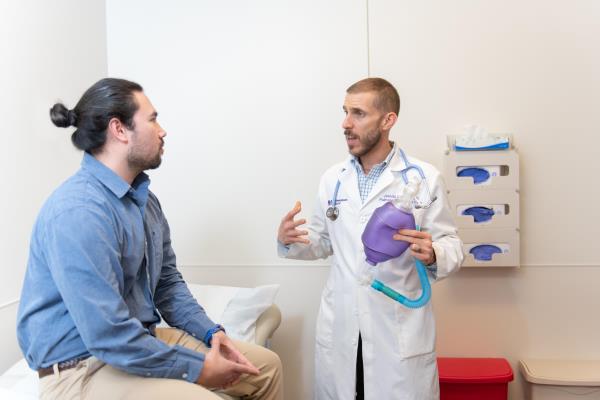
Dr. Arif Kamal, an oncologist and the American Cancer Society's chief patient officer, notes that approximately one in ten women are not at average risk for breast cancer and require customized screening approaches. This might include earlier mammograms, breast MRIs, more frequent examinations, or genetic testing. Kamal recommends that women begin discussing their cancer risk with healthcare providers in their mid-20s, particularly if they have a family history of the disease.

Long-Term Management and Outlook
Del Barrio is currently undergoing extended endocrine therapy that will continue for ten years, a necessary duration given her young age at diagnosis. This treatment, which involves monthly injections and daily medication to eliminate estrogen production, significantly reduces her risk of cancer recurrence. She will also undergo regular scans and long-term follow-up care, with reconstructive surgery planned for the end of the year. Her approach of taking treatment "one day at a time" reflects the emotional resilience required to navigate a cancer diagnosis while maintaining family life and personal responsibilities.
Del Barrio's experience serves as a powerful reminder that healthcare should be a partnership between patients and providers. Her willingness to voice concerns despite previous dismissals, combined with access to specialized high-risk screening, created the conditions for early detection. As breast cancer rates continue to rise among women under 50, stories like Del Barrio's highlight the life-saving potential of personalized risk assessment and proactive health management.