The Vaccine Injury Compensation System: Protecting Public Health While Addressing Rare Injuries
Vaccines have saved over 150 million lives in the past 50 years, but rare injuries can occur. The Vaccine Injury Compensation Program (VICP) provides a streamlined legal process for Americans injured by vaccines, balancing public health protection with fair compensation. This system has paid nearly $5 billion to 12,000 claimants while ensuring vaccine manufacturers continue production. The COVID-19 vaccines currently operate under a separate emergency program, raising questions about future compensation pathways.
Vaccines represent one of modern medicine's greatest achievements, having saved more than 150 million lives over the past five decades through protection against diseases like polio, smallpox, measles, and tetanus. While vaccines are overwhelmingly safe and effective, rare adverse reactions can occur, necessitating a system that balances public health protection with fair compensation for those affected.

The Vaccine Injury Compensation Program
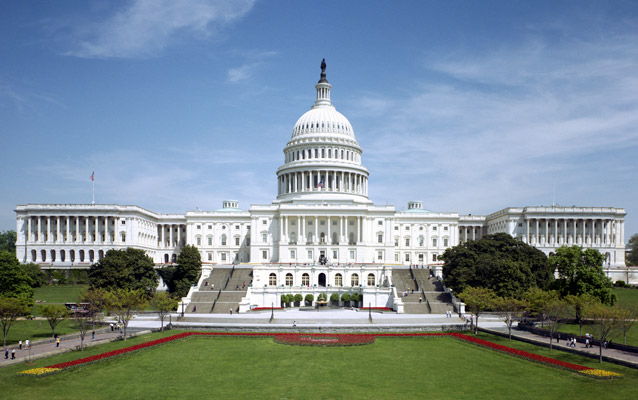
The Vaccine Injury Compensation Program (VICP) emerged in response to a public health crisis in the 1980s involving the DTP vaccine. When families successfully sued drug manufacturers for vaccine injuries, all but one company stopped DTP production, threatening vaccine availability nationwide. Congress responded with bipartisan legislation establishing the VICP, acknowledging both the possibility of vaccine injuries while providing manufacturers with liability protection to ensure continued vaccine production.
The program operates through a specialized legal forum often called "vaccine court," where cases are decided by eight special masters rather than juries. This no-fault system requires claimants to prove only that their injury was more likely than not caused by the vaccine, without needing to demonstrate negligence. The program is funded by a 75-cent tax on each dose of recommended childhood vaccinations.
Program Scope and Impact
Since its inception, the VICP has expanded from covering six vaccines to sixteen immunizations, including seasonal flu and HPV vaccines. The program operates based on a Vaccine Injury Table that specifies eligible vaccines and injuries. Over the program's history, approximately 12,000 Americans have received nearly $5 billion in compensation payments.
Vaccine injuries remain extremely rare but can range from shoulder injuries due to improper injection technique to rare neurological conditions triggered by vaccination. The system's design ensures that when injuries do occur, affected individuals receive compensation without burdening vaccine manufacturers with excessive legal costs that could threaten vaccine availability.
COVID-19 Vaccines and Emergency Programs
The COVID-19 vaccines currently operate under a separate compensation system established by the Public Readiness and Emergency Preparedness Act (PREP Act) of 2005. This emergency program, the Countermeasures Injury Compensation Program (CICP), provides different protections and compensation pathways than the traditional VICP.
The CICP is more restrictive than vaccine court, featuring a one-year statute of limitations compared to VICP's three-year limit, and it does not compensate for pain and suffering. Approximately 14,000 claims have been filed with the countermeasures program regarding COVID-19 vaccinations, with about 5,000 denied and fewer than 100 compensated, primarily for myocarditis cases.
Future Considerations
Legal experts and former special masters have raised concerns about adding COVID-19 vaccines to the VICP without additional resources. The court currently operates with the same number of special masters as in the 1980s, despite significantly increased caseloads. Adding thousands of potential COVID-19 claims could overwhelm the system without infrastructure improvements.
Moving COVID-19 vaccines to the VICP would require three steps: recommendation as a routine childhood vaccine, congressional approval of an excise tax to fund compensation, and addition to the Vaccine Injury Table by the Secretary of Health and Human Services. The Department of Health and Human Services has extended certain PREP Act liability protections for COVID-19 countermeasures through 2029.
The vaccine compensation system represents a careful balance between ensuring vaccine availability and providing recourse for rare injuries. As vaccine technology continues to evolve, maintaining this balance remains crucial for public health protection while acknowledging the real, though rare, risks associated with vaccination.