Key Supreme Court Cases to Watch in the 2025 Term
The U.S. Supreme Court's 2025 term, beginning October 6, features landmark cases addressing voting rights, conversion therapy, Trump-era tariffs, campaign finance, and transgender sports participation. These cases reflect ongoing constitutional shifts toward originalism, deep cultural divisions, and partisan implications that could shape American law and politics for years to come. The court's decisions will determine fundamental questions about race in elections, free speech protections, and presidential authority.
The U.S. Supreme Court begins its 2025 term on October 6 with a docket that reflects the nation's most pressing cultural and political conflicts. This term's cases continue the court's recent constitutional revolution while addressing fundamental questions about race, gender, and political power that divide American society.
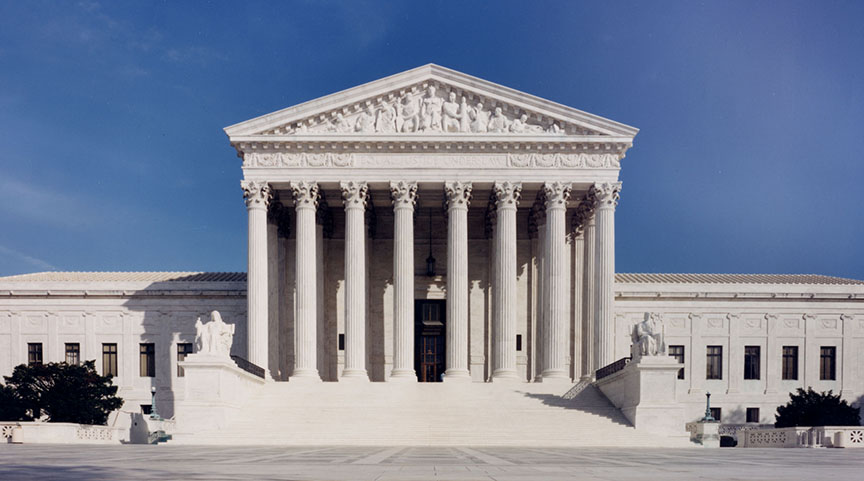
Constitutional Revolution Continues
The court's shift from living constitutionalism to originalism represents one of the most significant jurisprudential changes in decades. Originalism, which interprets the Constitution based on the original understanding of those who ratified it, has already transformed areas including abortion rights, religious freedom, and gun regulations. This term, the constitutional revolution extends to transgender rights and presidential authority.
Major Cases and Their Implications
Race and Elections: Louisiana v. Callais
This case examines whether the Voting Rights Act requires states to create majority-Black congressional districts. The dispute centers on competing interpretations of the 14th Amendment's equal protection clause and differing perceptions about the current prevalence of racial discrimination in voting. As noted in PBS NewsHour coverage, the outcome could significantly impact partisan balance in Congress since majority-Black districts typically elect Democratic representatives.
Conversion Therapy: Chiles v. Salazar
Colorado's ban on conversion therapy faces a First Amendment challenge that pits free speech and religious liberty against professional medical standards. The case raises fundamental questions about whether states can regulate what medical professionals can say about sexual orientation and gender identity. The court must balance constitutional protections with state authority to establish professional standards.
Presidential Authority: Learning Resources v. Trump
This case challenges the constitutionality of Trump-era tariffs under the International Emergency Powers Act of 1977. The court will apply the "major questions doctrine," which limits presidential authority on significant economic matters without explicit congressional approval. The decision could redefine the balance of power between the executive and legislative branches in foreign policy and economic regulation.

Cultural Divisions and Partisan Implications
The court's docket reflects America's deep cultural divisions, particularly regarding gender identity and racial equality. Cases like Little v. Hecox and West Virginia v. B.P.J. ask whether states can ban transgender athletes from women's sports, forcing the court to confront competing definitions of gender identity. Meanwhile, National Republican Senatorial Committee v. FEC could reshape campaign finance rules in ways that potentially advantage Republican candidates.
These cases demonstrate how constitutional principles intersect with contemporary cultural battles and partisan politics. The court's originalist majority appears likely to defer more authority to state legislatures on contentious social issues while maintaining a skeptical view of federal regulatory power.
Looking Ahead
The Supreme Court's 2025 term promises to deliver rulings with far-reaching consequences for American democracy and civil rights. As the court continues its constitutional course correction, its decisions will shape not only legal doctrine but also the practical realities of political representation, economic policy, and individual rights. The outcomes will reveal much about how this court balances original constitutional principles against the complex realities of modern American society.