Read on PBS News
Supreme Court Hears Case That Could Reshape Campaign Finance for 2026 Midterms
As the 2026 midterm elections approach, a pivotal case before the U.S. Supreme Court could dramatically alter the landscape of political spending. Republican challengers are seeking to remove key limits on campaign donations, arguing they infringe on free speech. This legal battle, heard this week, has the potential to unleash unprecedented amounts of money into an already record-breaking election cycle, fundamentally changing how campaigns are funded and conducted.
With the 2026 midterm elections less than a year away, political analysts are already predicting a historic surge in campaign spending. However, the rules governing that financial flood may be on the verge of a seismic shift. This week, the U.S. Supreme Court heard major arguments in a case spearheaded by Republican challengers aiming to dismantle long-standing limits on political donations. The outcome could redefine the power of money in American politics for elections to come.
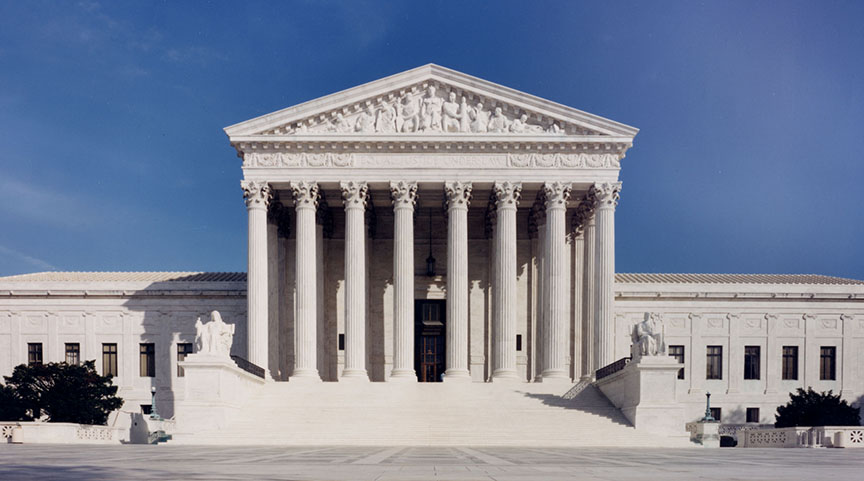
The Legal Challenge at the Supreme Court
The case currently before the justices represents a direct challenge to existing campaign finance architecture. As reported by PBS NewsHour, Republican plaintiffs are arguing that certain donation limits constitute an infringement on free speech rights protected by the First Amendment. Their core contention is that contributing money to political candidates and causes is a form of political expression, and thus, government restrictions on the amount one can give are unconstitutional.
This legal philosophy builds upon previous Supreme Court decisions, most notably Citizens United v. FEC (2010), which removed limits on independent political expenditures by corporations and unions. The current case seeks to extend that logic to direct contributions to candidates and political parties, potentially opening the door for individual donors to contribute vastly larger sums.

Potential Impact on the 2026 Election Cycle
The timing of this case is critical. A ruling in favor of the challengers, expected by summer 2026, would immediately impact the final months of the midterm campaigns. Analysts suggest such a decision could trigger a massive influx of cash, particularly benefiting incumbents and candidates with pre-existing networks of wealthy supporters. The structure of fundraising would shift from mobilizing many small-dollar donors to courting a smaller number of mega-donors capable of writing seven- or eight-figure checks.
This change would likely accelerate trends toward more expensive, media-saturated campaigns. With fewer restrictions on how much money can flow into official campaign coffers, the role of Super PACs and other outside groups might evolve, potentially consolidating more spending power directly under the control of candidates and party committees.
Broader Implications for American Democracy
Beyond the immediate electoral consequences, the case touches on a fundamental debate about equality and influence in a democratic system. Proponents of strict limits argue they prevent corruption and the appearance of corruption, ensuring that elected officials are responsive to constituents rather than a wealthy elite. They warn that removing caps could lead to a system where political access and policy outcomes are openly for sale to the highest bidder.
Opponents, as seen in this challenge, counter that the current system is itself corrupt, forcing money into less transparent channels. They advocate for a system of full disclosure paired with minimal restrictions, arguing that sunlight is the best disinfectant and that adults should be free to support the candidates of their choice without arbitrary government limits. The Supreme Court's decision will not only set the financial rules for 2026 but will also provide a definitive statement on where the current bench draws the line between preventing corruption and protecting political speech.
The arguments heard this week mark a pivotal moment. As the nation looks toward a contentious midterm election, the very framework of its political contests hangs in the balance. The Court's ruling will determine whether the 2026 elections are merely the most expensive in history or the first of a new era with fundamentally different rules of engagement.