Hamas Accepts Parts of Trump Peace Plan as New Democratic Think Tank Advocates Centrism
In a significant development in Middle East diplomacy, Hamas has reportedly accepted certain elements of former President Trump's peace proposal to end the ongoing conflict in Gaza. Meanwhile, a new Democratic-aligned think tank is emerging as a force pushing the party toward more centrist policy positions, signaling potential shifts in both international relations and domestic political strategy.
Recent diplomatic developments indicate potential movement toward resolving the protracted conflict in Gaza, with Hamas showing willingness to engage with elements of former President Donald Trump's peace initiative. This development comes alongside emerging political shifts within the Democratic Party, where a new think tank is advocating for more centrist approaches to key policy issues.
Hamas Engagement with Trump Peace Plan
The acceptance of certain components of President Trump's peace proposal by Hamas represents a notable shift in the group's diplomatic posture. While specific details of the accepted provisions remain under discussion, this development suggests potential openings for renewed peace negotiations. The Trump administration's Middle East peace plan, unveiled in January 2020, proposed a two-state solution with specific territorial arrangements and security guarantees.
This diplomatic movement occurs against the backdrop of ongoing humanitarian concerns in Gaza and regional stability considerations. The willingness of Hamas to engage with elements of the plan, despite previous rejections, indicates evolving strategic calculations and potential opportunities for conflict resolution. International observers are monitoring these developments closely, recognizing the complexity of the situation and the need for careful diplomatic handling.
Democratic Party Centrist Movement
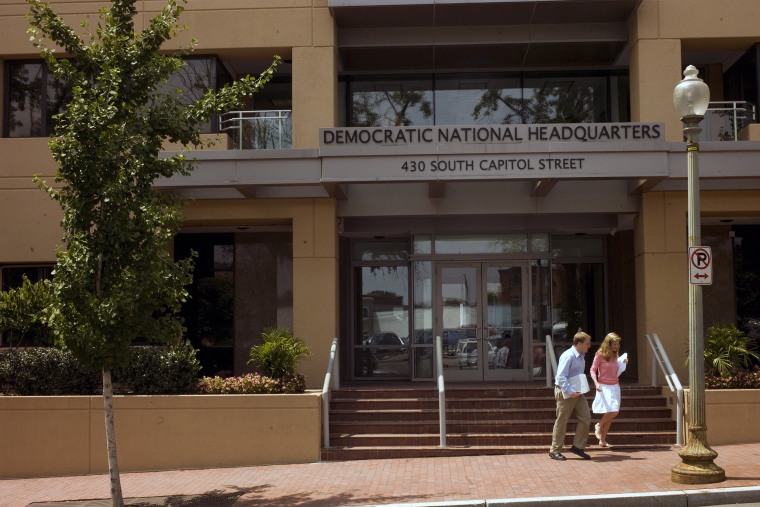
Concurrently, a new Democratic-aligned think tank is gaining influence by advocating for more centrist positions within the party. This organization represents a growing sentiment among some Democratic strategists and policymakers who believe the party should adopt more moderate approaches to key issues. The think tank's emergence reflects ongoing debates about political strategy and policy direction following recent election cycles.
The push toward centrism addresses concerns about electoral viability and broad voter appeal, particularly in swing districts and states. This development suggests potential recalibration of Democratic policy priorities and messaging strategies as the party prepares for future political contests. The think tank's influence could shape policy development and political positioning in coming months.
Political Implications and Future Prospects
These parallel developments in international diplomacy and domestic politics highlight the dynamic nature of political landscapes. The Hamas engagement with the Trump peace plan, while preliminary, offers potential pathways toward conflict resolution that merit careful exploration. Similarly, the Democratic Party's internal discussions about political positioning reflect ongoing adaptation to changing political realities.
Both developments underscore the importance of pragmatic approaches in addressing complex challenges. In international relations, incremental progress through partial agreements can sometimes build momentum toward broader resolutions. In domestic politics, strategic positioning that balances principle with electoral practicality often proves essential for political success.
As these situations continue to evolve, stakeholders and observers will monitor implementation details and practical outcomes. The acceptance of peace plan elements by Hamas requires careful verification and follow-through, while the Democratic centrist movement's impact will depend on its ability to influence party platforms and candidate selection. Both developments represent significant potential shifts in their respective arenas that warrant continued attention and analysis.