Government Shutdown 2025: Political Impasse Halts Federal Operations
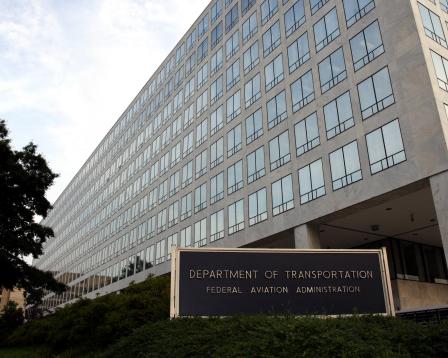
The federal government has entered its first shutdown in nearly seven years as Republicans and Democrats remain deadlocked over 2025 funding. The impasse began at midnight October 1, 2025, affecting approximately 750,000 federal workers who face furloughs without pay. The shutdown stems from disagreements over extending health insurance tax credits, with both parties blaming each other for the funding lapse. Essential services continue but with significant disruptions across federal agencies, national parks, and government operations nationwide.
The United States government has entered its first shutdown in nearly seven years, with federal operations grinding to a halt as Republicans and Democrats remain at an impasse over 2025 funding. The shutdown began at midnight on October 1, 2025, marking a significant political standoff that affects hundreds of thousands of federal workers and critical government services across the nation.
The Funding Impasse
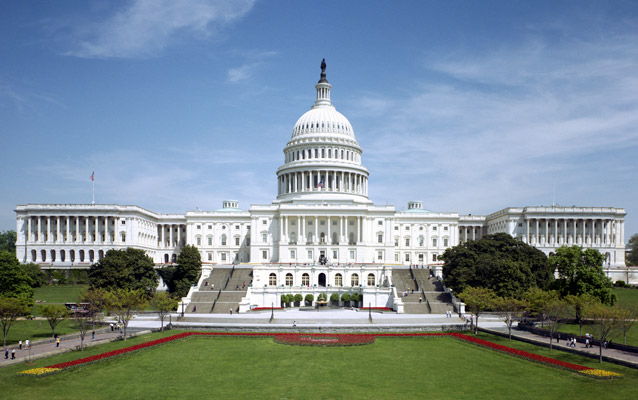
The core disagreement centers around competing funding measures between the two parties. House Republicans passed a clean continuing resolution that would fund the government for seven weeks until November 21, but this measure has repeatedly failed to gain the necessary 60 votes in the Senate. Democrats have insisted that any funding extension must include provisions to extend expiring health insurance tax credits, creating a fundamental divide that has prevented compromise.
According to CBS News reports, the House-passed measure has failed three times in Senate votes, with only three Democrats—Senators Catherine Cortez Masto, John Fetterman, and independent Angus King—breaking with their party to support the Republican proposal. Senate Majority Leader John Thune has indicated that Republicans plan to continue holding votes on their funding measure in the coming days to pressure Democrats to support the bill.
Immediate Impacts and Consequences
The shutdown has triggered immediate consequences across federal operations. Approximately 750,000 federal workers face furloughs without pay, according to Congressional Budget Office estimates. While essential workers remain on the job, they too will not receive paychecks until Congress approves new funding. The Office of Management and Budget has warned that mass layoffs could begin within two days if the shutdown continues.

Federal agencies have begun implementing contingency plans, with the Justice Department moving to pause civil cases and the Labor Department announcing that September jobs numbers will not be released as scheduled. The National Park Service has furloughed 9,296 of its 14,500 employees, though many park areas remain accessible to visitors with reduced services.
Political Blame Game
Both parties have engaged in vigorous blame attribution for the shutdown. House Speaker Mike Johnson and Senate Majority Leader John Thune held a joint news conference blaming Democrats for what Johnson called a "reckless shutdown to satisfy their far-left base." Meanwhile, Senate Minority Leader Chuck Schumer defended his party's position, stating that Republicans "haven't negotiated with us at all" and asserting that "the American people are going to be totally on our side."
Vice President JD Vance made a rare appearance in the White House briefing room, accusing the "Chuck Schumer wing of the Democratic party" of being responsible for troops going without pay and low-income Americans losing food assistance. The Trump administration has also taken targeted actions, freezing approximately $18 billion in infrastructure funding for New York projects and canceling $8 billion in climate-related spending in 16 states that voted for Kamala Harris in the 2024 election.
Path Forward and Resolution Prospects
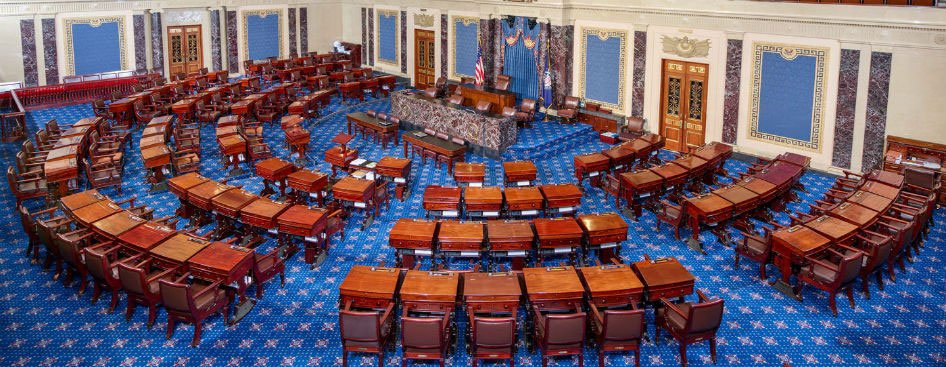
The path to resolving the shutdown remains uncertain. Bipartisan discussions have begun on the Senate floor, with Senator Mike Rounds noting that any movement "requires, first of all, to get the government open again." However, fundamental differences persist, particularly regarding the health care tax credits that Democrats insist must be part of any funding agreement.
House Minority Leader Hakeem Jeffries expressed confidence that the shutdown would be resolved "well in advance of our next paycheck," indicating optimism about a relatively quick resolution. Meanwhile, the political consequences continue to mount, with federal workers facing financial uncertainty and essential government services operating at reduced capacity.
The shutdown represents the first major test of the divided government following the 2024 elections and underscores the ongoing challenges in achieving bipartisan compromise on fundamental funding matters. As both parties dig in their heels, the American public bears the brunt of the political impasse through disrupted services and economic uncertainty.