The Rising Demand for Egg Freezing: Understanding the Shift in Reproductive Planning
Egg freezing is experiencing unprecedented growth as more healthy individuals choose to preserve their fertility options. Once primarily used by patients facing medical treatments that could compromise fertility, this technology is now becoming mainstream among those delaying parenthood for personal or professional reasons. This shift reflects changing societal norms and expanded access to reproductive technologies that offer greater flexibility in family planning timelines.
In recent years, egg freezing has transformed from a niche medical procedure into a mainstream reproductive option. More people than ever are choosing to preserve their fertility by freezing their eggs, representing a significant shift in how society approaches family planning and reproductive health.
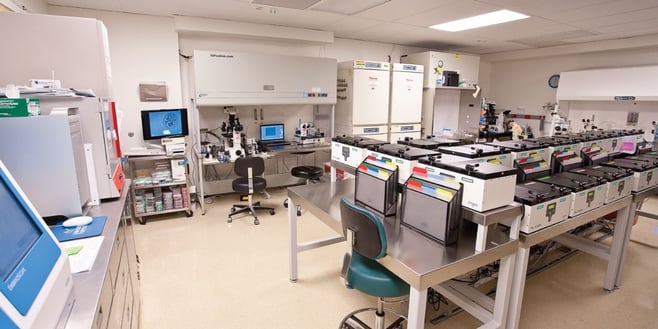
The Changing Landscape of Egg Freezing
Traditionally, egg freezing served as a medical necessity for individuals facing treatments like chemotherapy that could damage fertility. However, the demographic undergoing this procedure has expanded dramatically. Today, healthy women are increasingly choosing egg freezing as a proactive measure to extend their reproductive timeline, allowing them to pursue career goals, find the right partner, or achieve financial stability before starting a family.
Understanding the Procedure
The egg freezing process involves several key steps that typically span two to three weeks. It begins with hormonal stimulation to encourage multiple egg development, followed by monitoring through blood tests and ultrasounds. The eggs are then retrieved through a minor surgical procedure and immediately frozen using vitrification, a rapid-freezing technique that prevents ice crystal formation and preserves egg quality.

Considerations and Realities
While egg freezing offers reproductive flexibility, it's important to understand both the benefits and limitations. The procedure provides insurance against age-related fertility decline but doesn't guarantee future pregnancy success. Costs can be substantial, often ranging from $10,000 to $15,000 per cycle, plus annual storage fees. Additionally, success rates vary based on the age at freezing and the number of eggs preserved.
Societal Implications
This trend reflects broader societal changes, including women's increased educational and career opportunities, later marriage ages, and evolving attitudes toward family planning. As noted by Natalie Lampert, author of 'The Big Freeze,' this technology represents a fundamental shift in how people approach reproductive choices, offering new possibilities for timing parenthood according to individual circumstances rather than biological constraints.

The growing popularity of egg freezing represents a significant evolution in reproductive medicine and family planning. While it offers new possibilities for extending fertility, it's crucial for individuals to have realistic expectations and thorough medical counseling. As this technology becomes more accessible and socially accepted, it continues to reshape how people approach one of life's most personal decisions, providing options that previous generations never had.