Trump Announces Federal Troop Deployment to Portland Amid Nationwide Expansion
President Trump announced plans on Saturday to deploy federal troops to Portland, Oregon, as part of a broader expansion of military presence in cities across the United States. This decision comes amid ongoing protests and civil unrest, marking a significant escalation in the federal government's response to domestic demonstrations. The deployment strategy reflects the administration's approach to maintaining public order while raising questions about federal overreach and states' rights.
President Donald Trump announced on Saturday his intention to deploy federal troops to Portland, Oregon, signaling a significant expansion of military presence in American cities. This decision represents a major escalation in the federal government's response to ongoing civil unrest and protests that have persisted for weeks in various urban centers across the nation.
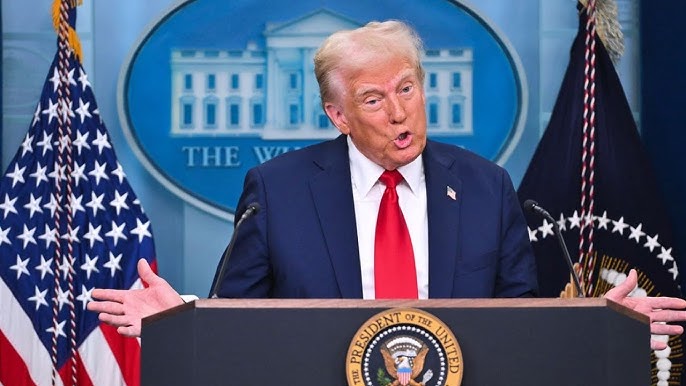
The announcement comes as part of a broader strategy to address what the administration characterizes as lawlessness and violence in certain metropolitan areas. The Portland deployment follows similar actions in other cities where federal agents have been dispatched to protect federal property and assist local law enforcement.
Background and Context
The decision to send troops to Portland follows weeks of sustained protests in the city, primarily focused on racial justice and police reform. Portland has become a focal point for demonstrations, with nightly gatherings that have occasionally resulted in clashes between protesters and law enforcement. The federal government's increasing involvement reflects growing concerns about public safety and property protection.
Federal Strategy and Rationale
According to administration officials, the troop deployment is intended to supplement local law enforcement efforts and protect federal buildings from damage. The strategy appears to be part of a larger initiative to combat what the president has described as "anarchist jurisdictions" where local authorities have been unable or unwilling to maintain order. This approach represents a significant federal intervention in municipal affairs, raising constitutional questions about the balance of power between state and federal governments.
Legal and Political Implications
The deployment of federal troops to American cities involves complex legal considerations. While the federal government has authority to protect its property and personnel, the use of military forces for domestic law enforcement typically requires specific circumstances and legal justifications. The expansion of this strategy to multiple cities suggests a coordinated approach that may face legal challenges from state and local officials who view the deployments as federal overreach.

State and local leaders in Oregon have expressed concerns about the potential for increased tensions and violence resulting from federal intervention. The relationship between federal authorities and local governments continues to evolve as these deployments expand, creating new dynamics in how public safety operations are coordinated during periods of civil unrest.
National Security Considerations
The decision to deploy troops domestically reflects the administration's assessment of national security threats originating from within the country's borders. This approach represents a shift in how the federal government conceptualizes domestic security challenges, treating civil unrest as a matter requiring military-style response rather than traditional law enforcement solutions.
As the situation develops, the effectiveness of this strategy in reducing violence and protecting property will be closely monitored. The Portland deployment serves as a test case for how similar situations might be handled in other cities experiencing prolonged protests and civil disturbances.