EU Proposes New Sanctions Package Against Russia: Key Developments and Implications
The European Union has announced a comprehensive new sanctions package targeting Russia, marking the latest escalation in response to ongoing geopolitical tensions. This proposal represents a significant expansion of existing measures and includes enhanced economic restrictions, targeted individual sanctions, and new trade limitations. The package aims to further isolate Russia economically while maintaining pressure on key sectors supporting military operations.
The European Union has taken a decisive step in its ongoing response to geopolitical tensions by proposing a new comprehensive sanctions package against Russia. This development represents the latest escalation in the bloc's efforts to maintain economic pressure while addressing evolving security concerns. The proposal comes as part of the EU's continued commitment to a coordinated international response to Russian actions.
Key Components of the Proposed Sanctions Package
The new sanctions package introduces several significant measures designed to strengthen existing restrictions and address emerging challenges. While specific details continue to be finalized, the proposal includes enhanced economic sanctions targeting key sectors of the Russian economy. These measures build upon previous packages and reflect the EU's adaptive approach to maintaining pressure.
Economic and Trade Restrictions
The proposed package focuses on expanding trade limitations and economic restrictions that have been central to previous sanction rounds. New measures are expected to target additional sectors and entities that have managed to circumvent earlier restrictions. The EU aims to close existing loopholes while preventing the development of new evasion methods.

Implementation Timeline and Coordination
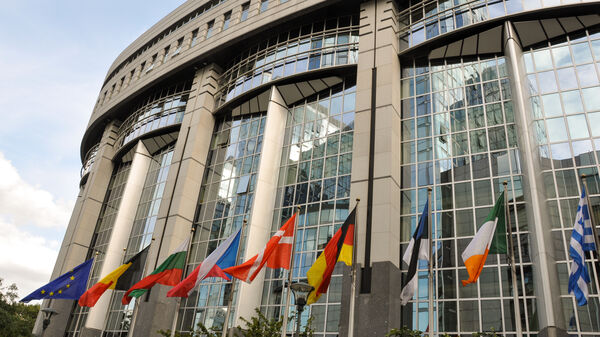
The proposal will now undergo review and approval processes within EU institutions. Member states will evaluate the package's provisions and potential impacts before reaching a consensus decision. This coordinated approach ensures that all 27 member states align on the final measures, maintaining the unity that has characterized the EU's response to date.
International Context and Alignment
The EU's proposal comes amid ongoing international efforts to maintain pressure on Russia through coordinated sanctions. The bloc continues to work closely with key partners, including the United States and United Kingdom, to ensure alignment in sanction measures. This international coordination remains crucial for maximizing the effectiveness of economic restrictions.

Potential Impacts and Considerations
While the full implications of the proposed package will become clearer following implementation, early analysis suggests significant economic consequences for targeted sectors. The EU continues to balance the need for effective sanctions with considerations about potential secondary effects on global markets and European economies.
The proposal represents the EU's ongoing commitment to using economic measures as part of its broader foreign policy toolkit. As geopolitical dynamics continue to evolve, the bloc demonstrates its willingness to adapt and strengthen its response mechanisms to address emerging challenges and maintain international stability.