Justice Department Files Voter Registration Lawsuits Against Six States
The U.S. Justice Department has initiated legal action against election officials in six states—California, Michigan, Minnesota, New York, New Hampshire, and Pennsylvania—over alleged violations of federal voter registration requirements. These lawsuits represent a significant federal enforcement action aimed at ensuring compliance with the National Voter Registration Act.
The U.S. Justice Department has taken legal action against top election officials in six states, marking a significant federal enforcement effort regarding voter registration compliance. The lawsuits target California, Michigan, Minnesota, New York, New Hampshire, and Pennsylvania, alleging violations of federal voter registration requirements under the National Voter Registration Act.
Legal Basis for the Lawsuits
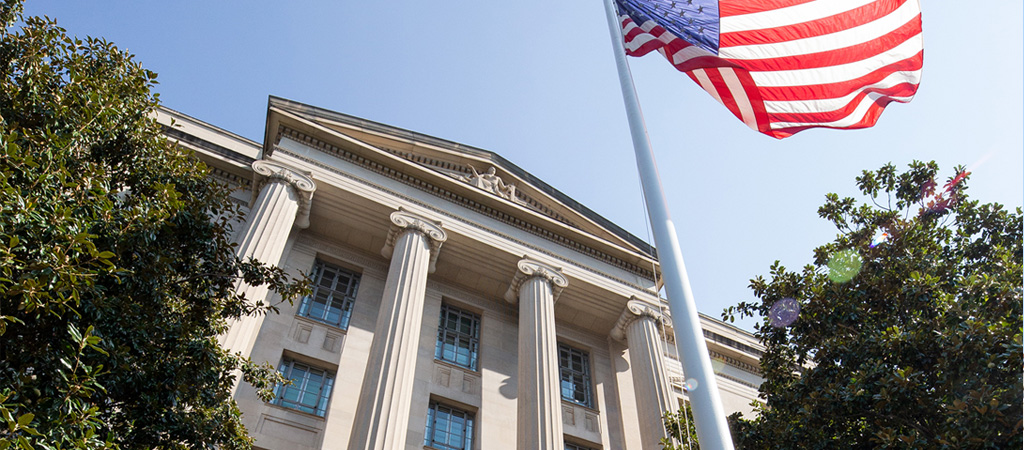
The Justice Department's actions are grounded in the National Voter Registration Act of 1993, commonly known as the Motor Voter Act. This federal legislation requires states to offer voter registration opportunities at various government agencies, including departments of motor vehicles and public assistance offices. The lawsuits allege that the six targeted states have failed to maintain adequate voter registration procedures as mandated by federal law.
Scope and Significance
This coordinated legal action represents one of the most substantial federal enforcement efforts regarding voter registration compliance in recent years. By targeting multiple states simultaneously, the Justice Department signals its commitment to ensuring uniform application of federal voting rights protections across state lines. The cases could establish important precedents for how states implement federal voter registration requirements.
Potential Implications
The outcome of these lawsuits could have far-reaching consequences for state election administration practices nationwide. Successful enforcement actions would likely require the defendant states to overhaul their voter registration systems and procedures. Additionally, these cases may influence how other states approach compliance with federal voting rights legislation, potentially leading to broader reforms in election administration practices.
Next Steps in the Legal Process
The lawsuits will now proceed through the federal court system, where judges will evaluate the Justice Department's allegations and the states' responses. Legal experts anticipate that these cases may take months or even years to resolve, depending on the complexity of the issues and potential appeals. The states named in the lawsuits will have opportunities to present their defenses and challenge the federal government's allegations.

These legal actions underscore the ongoing tension between federal voting rights enforcement and state election administration authority. As the cases progress through the judicial system, they will likely generate significant attention from voting rights advocates, election officials, and legal scholars monitoring the intersection of federal law and state election practices.