French Navy Seizes Cocaine from Fishing Boat off West African Coast
French naval forces have intercepted a significant cocaine shipment aboard a fishing vessel off the coast of West Africa following coordinated intelligence from anti-drug authorities and British police. The operation demonstrates international cooperation in combating maritime drug trafficking and highlights the strategic importance of West African waters as a transit route for narcotics smuggling to European markets.
In a significant international anti-drug operation, French navy ships have successfully intercepted a fishing vessel carrying a substantial cocaine shipment off the West African coast. The seizure followed coordinated intelligence sharing between multiple international agencies, highlighting the growing sophistication of cross-border cooperation in combating maritime drug trafficking.
Operation Details and International Cooperation
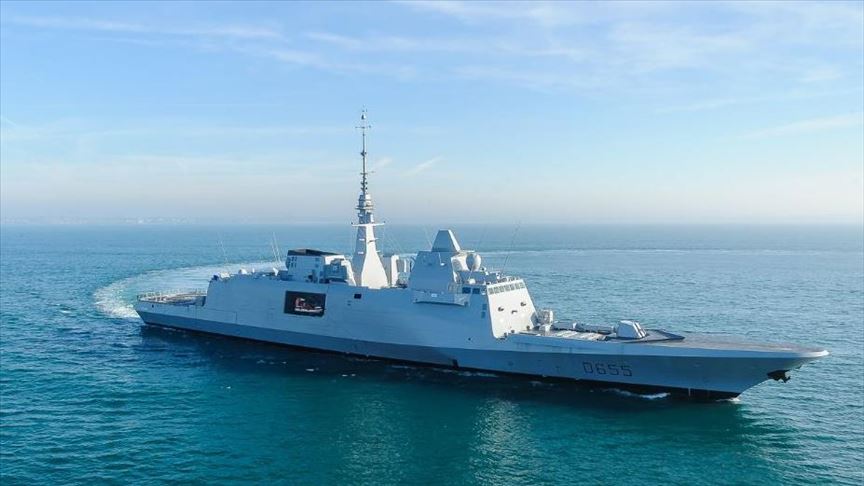
The interception was conducted by two French navy vessels that acted on specific intelligence provided by a coalition of anti-drug and maritime intelligence authorities working in conjunction with British police forces. This multinational approach demonstrates the increasing recognition that maritime drug trafficking requires coordinated international responses rather than isolated national efforts.
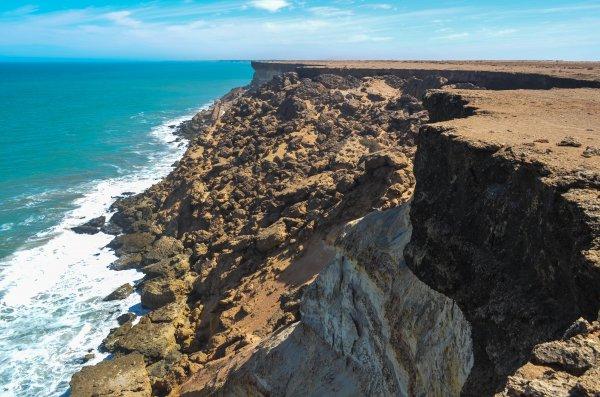
West African coastal waters have become a critical transit zone for drug cartels moving narcotics from South America to European markets. The region's vast, often poorly monitored maritime territory provides traffickers with multiple routes to evade detection. The successful interception represents a significant blow to these trafficking networks and underscores the effectiveness of shared intelligence operations.
Strategic Importance of West African Waters
The location of this seizure highlights the strategic importance of West African maritime routes in the global drug trade. Criminal organizations have increasingly exploited the region's geographical position and limited surveillance capabilities to establish transit hubs for cocaine shipments destined for European consumers.
This operation follows a pattern of increased naval presence and international cooperation in the region. European nations, particularly France and Spain, have intensified their maritime surveillance efforts in response to the growing threat posed by drug trafficking organizations operating in these waters.
Broader Implications for Maritime Security
The successful interception demonstrates the evolving capabilities of international maritime security forces in addressing complex transnational criminal activities. It also highlights the importance of real-time intelligence sharing between nations and the need for continued investment in naval resources dedicated to counter-narcotics operations.
As drug trafficking organizations continue to adapt their methods and routes, such coordinated operations will remain essential for disrupting supply chains and reducing the flow of illegal narcotics to consumer markets. The French navy's action serves as a model for future multinational maritime security initiatives targeting organized crime networks.

This seizure represents more than just the removal of drugs from circulation—it signifies a strengthening of international partnerships and a shared commitment to addressing the complex challenges of maritime drug trafficking through coordinated intelligence and naval operations.