U.S.-China TikTok Deal: National Security Concerns and the American Spinoff
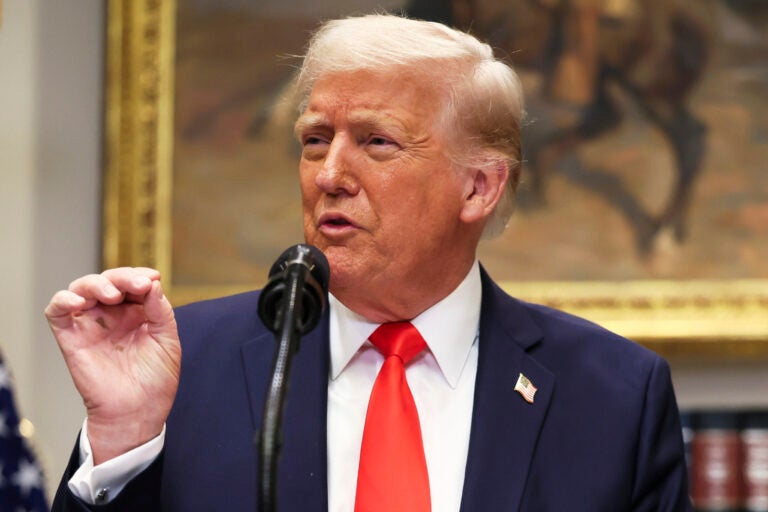
President Trump has announced a landmark deal with China's Xi Jinping to create a U.S. version of TikTok, addressing longstanding national security and data privacy concerns. The popular social media app, developed and owned by Chinese company ByteDance, has faced intense scrutiny over its data handling practices and potential ties to the Chinese government. This agreement represents a significant development in U.S.-China technology relations and could set precedents for how foreign-owned apps operate in American markets while protecting user data and national interests.
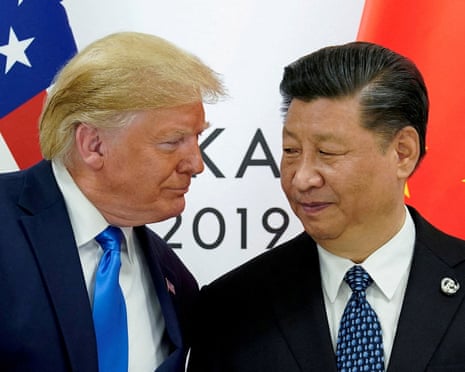
In a significant development for international technology relations, President Donald Trump has announced a deal with Chinese President Xi Jinping to establish an American version of TikTok, the immensely popular social media application. This agreement addresses growing concerns about national security and data privacy surrounding the Chinese-owned platform, which has amassed over 100 million users in the United States alone.
The TikTok platform, developed and owned by Chinese company ByteDance, has faced intense scrutiny from U.S. officials and security experts who worry about the potential for user data to be accessed by the Chinese government. These concerns stem from China's national security laws that require companies to cooperate with intelligence gathering efforts, creating potential vulnerabilities for American users' personal information.
National Security Implications
The primary driver behind this diplomatic arrangement involves protecting American citizens' data from potential foreign surveillance. U.S. intelligence agencies have repeatedly expressed concerns that TikTok's data collection practices could provide the Chinese government with access to sensitive information about American users, including their locations, browsing habits, and personal preferences.

The Agreement Structure
While specific details of the arrangement continue to emerge, the core concept involves creating a separate, U.S.-based entity that would operate TikTok's American operations. This structure is designed to ensure that American user data remains within the United States and subject to U.S. laws and oversight, rather than being potentially accessible to Chinese authorities through ByteDance's ownership.
The deal represents a compromise approach that allows TikTok to continue operating in the valuable American market while addressing the legitimate security concerns raised by U.S. officials. This solution avoids an outright ban of the application, which would have disappointed millions of American users and content creators who rely on the platform for entertainment, business, and social connection.
Broader Implications
This agreement sets an important precedent for how the United States handles foreign-owned technology platforms that raise national security concerns. It demonstrates a potential model for balancing open internet principles with necessary security protections, particularly when dealing with applications from countries with different data governance standards and legal requirements.

The TikTok case highlights the evolving challenges of global technology governance in an interconnected world. As applications transcend national borders, governments must develop frameworks that protect their citizens' security while preserving the benefits of global technological innovation and cross-cultural exchange that platforms like TikTok facilitate.
This arrangement between the U.S. and China regarding TikTok's American operations represents a significant development in international technology policy and could influence how other countries approach similar concerns with foreign-owned digital platforms operating within their borders.