Read on the Guardian
Morocco's Gen Z Crackdown: Human Rights Abuses Cast Shadow Over Africa Cup of Nations
As Morocco prepares to host the Africa Cup of Nations, a severe crackdown on youth-led protests has drawn international condemnation. Human rights groups report hundreds of 'Gen Z 212' demonstrators remain in arbitrary detention, with allegations of horrific beatings, torture, and forced confessions. This article examines the government's response to the largest protests since the Arab Spring, the impact on families, and the growing tension between international sporting prestige and domestic civil liberties.
As Morocco readies its stadiums and infrastructure to welcome the continent for the Africa Cup of Nations, a starkly different narrative is unfolding behind the scenes. The nation is grappling with the aftermath of its most significant civil unrest in over a decade, marked by a severe government crackdown that human rights organizations describe as brutal and disproportionate. The 'Gen Z 212' protests, named after the country's dialling code, have highlighted deep-seated frustrations with underfunded public services, but the state's response has shifted the focus to allegations of systemic police brutality and the arbitrary detention of hundreds of young Moroccans.

The Genesis of the Gen Z 212 Protests
The wave of demonstrations that swept across Morocco in late September and early October 2025 was not a sudden outburst but the culmination of long-simmering discontent. Primarily led by the nation's youth, the protests targeted chronic underinvestment in two critical pillars of society: healthcare and education. As reported by The Guardian, this movement represented the largest public mobilization since the 2011 Arab Spring, signaling a generational shift in political engagement and frustration with the status quo. The protesters' demands were clear: substantive reforms and increased public spending to address the deteriorating quality of essential services that affect millions of Moroccans daily.
Government Crackdown and Allegations of Abuse
The Moroccan government's reaction to the peaceful assemblies was swift and severe. According to human rights monitors, authorities responded by arbitrarily arresting thousands of participants. The crackdown extended beyond active demonstrators to include bystanders, with one mother telling The Guardian her 18-year-old son was arrested while having dinner at a snack bar, not even participating in a protest. He allegedly suffered beatings so severe he lost teeth during the arrest and was beaten again in custody for refusing to sign police documents. This pattern of arbitrary detention forms the core of the abuse allegations.

Systemic Brutality in Detention
Testimonies collected by groups like the Moroccan Association of Human Rights (AMDH) paint a disturbing picture of conditions within detention centers. Mustapha Elfaz of the AMDH's Marrakech branch described "horrific testimonies of torture," including incidents where detainees were forced to strip and were beaten with electrical wires, leaving visible marks for weeks. Female protesters reported acts of harassment, insults, and inappropriate touching. Perhaps most alarmingly, many victims and their families remain silent, fearing repercussions from authorities, which activists say allows abuses within prisons to remain "largely hidden."
Legal Proceedings and Denial of Justice
The judicial response has further compounded the crisis. Amnesty International reports that over 2,400 people are facing prosecution in connection with the protests, with dozens charged with acts of violence despite participating in non-violent demonstrations. The AMDH has denounced numerous procedural violations, including the absence of lawyers during hearings, insufficient investigations, and a lack of presumption of innocence. Dozens have already received prison sentences, some as long as 15 years, while hundreds more, including children, remain in detention without transparent legal processes. A volunteer lawyer in Casablanca highlighted "multiple procedural violations regarding arrests and police custody," with severe sentences based on rushed reports and insufficient evidence.
The Fatal Protest in Lqliâa
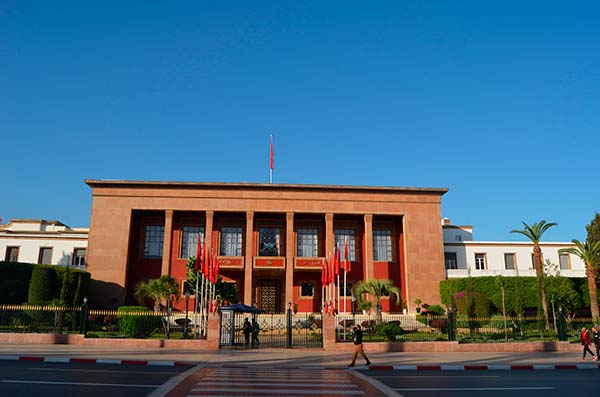
The government's response turned deadly on October 1st in the town of Lqliâa, near Agadir. Three protesters were shot and killed, allegedly by security forces, with 14 others injured—including children as young as 12 suffering firearm wounds. The authorities claim protesters stormed the local police station, forcing officers to respond. However, the families of the victims continue to seek justice and accountability. In a chilling postscript, six relatives of two victims were detained by police last week after standing outside parliament in Rabat holding pictures of their loved ones. Their phones were confiscated, and content related to their gathering was deleted before they were ordered to leave the city.
International Spotlight and Domestic Tensions
The timing of this crackdown is particularly sensitive as Morocco prepares to host the Africa Cup of Nations, a prestigious international sporting event meant to showcase the nation's progress and stability. Ahmed Benchemsi of Human Rights Watch suggested the government "clearly got scared and orchestrated this crackdown to send a strong message that they will not tolerate any form of dissent." This creates a stark contrast between the image Morocco wishes to project internationally and the reality experienced by its dissenting citizens. Tensions have been further exacerbated by recent flash floods in Safi that killed 37 people, with critics arguing the government prioritizes prestige projects over essential infrastructure and disaster preparedness.
Conclusion: A Nation at a Crossroads
Morocco stands at a critical juncture. The Gen Z 212 protests have exposed a profound generational rift and deep dissatisfaction with the social contract between the state and its citizens. While the government has announced increased spending on healthcare and education in the aftermath of the unrest, its simultaneous crackdown undermines these concessions and fuels further distrust. The Africa Cup of Nations will proceed, but the spectacle of international sport cannot fully obscure the stories of hundreds of detained youth, grieving families seeking justice for lost loved ones, and a generation that has tasted both the power of collective voice and the brutality of state repression. The world will be watching not just the football matches, but how Morocco addresses this fundamental challenge to its civil society and commitment to human rights.