RFK Jr.'s CDC Advisory Panel Shakeup: Removing Pharmaceutical Industry Influence
Health Secretary Robert F. Kennedy Jr. has undertaken a significant restructuring of the CDC's expert advisory panel, citing the need to eliminate pharmaceutical industry corporate interests. This unexpected move has created an unpredictable meeting environment as new appointees consider critical public health decisions. The shakeup represents a major shift in how vaccine and public health recommendations are developed, with implications for transparency and independence in government health advisory processes.
Health Secretary Robert F. Kennedy Jr. has initiated a comprehensive restructuring of the Centers for Disease Control and Prevention's expert advisory panel, a move that has created an atmosphere of unpredictability in recent meetings. This strategic shakeup specifically targets what Kennedy claims are entrenched pharmaceutical industry corporate interests within the advisory body that helps shape national health policy and vaccine recommendations.
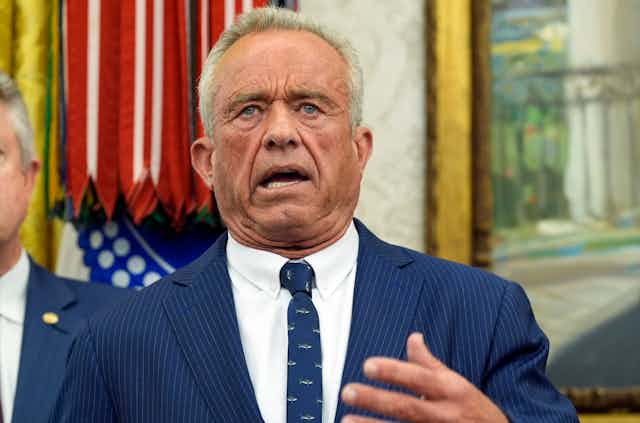
The restructuring represents a significant departure from previous advisory panel compositions, with Kennedy hand-picking new members who align with his vision of reducing pharmaceutical industry influence in public health decision-making. This approach has fundamentally altered the dynamics of how the panel considers critical health matters, particularly regarding vaccine recommendations and public health guidelines.
Panel Composition Changes
The advisory panel's new composition reflects Kennedy's commitment to removing perceived conflicts of interest. By replacing members with ties to pharmaceutical companies, the Health Secretary aims to create a more independent body that can provide unbiased recommendations based solely on public health considerations rather than corporate interests.

Meeting Dynamics and Outcomes
The recent meetings following the restructuring have been characterized by unpredictability, as new panel members bring different perspectives and approaches to health policy discussions. This shift has affected how the panel votes on critical issues, including COVID-19 vaccine recommendations and other public health measures. The changes have introduced fresh viewpoints while potentially disrupting established protocols and decision-making processes.
Implications for Public Health Policy
Kennedy's restructuring of the advisory panel has significant implications for how public health recommendations are developed and implemented. By prioritizing independence from pharmaceutical industry influence, the new panel may approach vaccine recommendations and other health policies differently than previous iterations. This could lead to changes in vaccination guidelines, public health messaging, and overall approach to disease prevention and management.

The long-term impact of these changes remains to be seen, but the restructuring represents a fundamental shift in how government health advisory bodies operate. The emphasis on removing corporate interests aligns with broader discussions about transparency and independence in public health decision-making processes.