Rebuilding from Ruins: Transforming Hurricane Debris into Sustainable Homes
In the aftermath of Hurricane Helene's devastating impact on Western North Carolina in 2024, one innovative resident saw opportunity in the destruction. Rather than viewing damaged homes as mere rubble, this visionary recognized the potential value in the old wooden debris and embarked on an extraordinary project to build something new from the wreckage. This approach represents a sustainable solution to disaster recovery that combines environmental consciousness with practical rebuilding efforts, turning tragedy into transformation through creative reuse of materials that would otherwise go to waste.
When Hurricane Helene ravaged the Southeast United States in 2024, Western North Carolina faced unprecedented destruction with countless homes damaged beyond repair. Amidst the devastation, one resident saw beyond the rubble, recognizing the inherent value in the weathered wooden debris that littered the landscape. This innovative approach to disaster recovery demonstrates how creative thinking can transform tragedy into opportunity, offering a sustainable model for rebuilding communities after natural disasters.

The Aftermath of Hurricane Helene
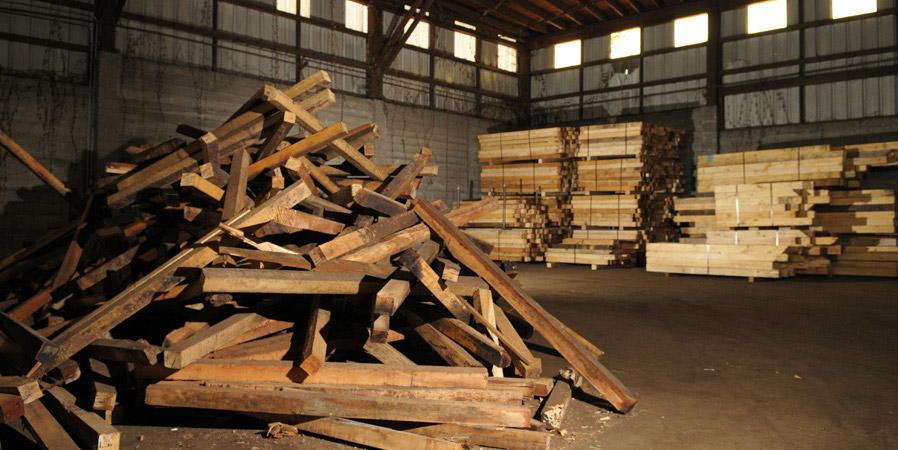
Hurricane Helene's impact on Western North Carolina created a landscape of destruction that required immediate attention and long-term recovery planning. The storm left behind massive amounts of building materials, particularly old-growth timber from historic homes that had stood for generations. Rather than treating this material as waste destined for landfills, the resourceful resident recognized its potential for reuse in construction projects.
Sustainable Rebuilding Approach
The decision to repurpose hurricane debris represents a significant shift in disaster recovery methodology. Traditional approaches often involve clearing damaged structures and sending materials to landfills, creating environmental burdens and wasting valuable resources. By contrast, this innovative method focuses on material recovery and reuse, reducing waste while preserving the character and history embedded in the original structures.
Environmental and Economic Benefits
This approach offers multiple advantages beyond the immediate practical benefits of having building materials available. Environmentally, it reduces the carbon footprint associated with new construction by minimizing the need for manufacturing and transporting new materials. Economically, it provides cost savings on construction materials while creating local employment opportunities in material recovery and processing. The reused materials also carry historical significance, connecting new structures to the community's past.
Implementation Challenges and Solutions
While the concept of building from disaster debris is compelling, it presents several practical challenges. Material assessment requires expertise to determine which components are structurally sound for reuse. Processing salvaged materials often demands additional labor and specialized equipment. However, these challenges can be addressed through proper planning, community collaboration, and the development of standardized protocols for material recovery and reuse in post-disaster scenarios.

Broader Implications for Disaster Recovery
This individual initiative in Western North Carolina could serve as a model for other communities facing similar challenges. As climate change increases the frequency and intensity of natural disasters, developing sustainable recovery methods becomes increasingly important. Incorporating material reuse into disaster response plans can help communities rebuild more efficiently while reducing environmental impact and preserving cultural heritage through the incorporation of historical materials into new structures.
The story of rebuilding from hurricane debris in Western North Carolina demonstrates how innovation can emerge from adversity. By viewing disaster materials as resources rather than waste, communities can develop more sustainable, cost-effective, and meaningful recovery strategies that honor their history while building for the future.