Read on Global News
U.S. Bars European Officials in Escalating Digital Sovereignty Dispute
The U.S. State Department has barred five European individuals, including former EU Commissioner Thierry Breton, from entering the United States, accusing them of pressuring American tech firms to censor U.S. viewpoints. U.S. Secretary of State Marco Rubio characterized the group as 'radical' activists and 'weaponized' NGOs. The European Union has condemned the move as unjustified intimidation and a threat to its regulatory autonomy, warning of a swift and decisive response. This action marks a significant escalation in transatlantic tensions over digital governance, free speech, and the extraterritorial reach of the EU's landmark Digital Services Act.
The transatlantic relationship faces a new digital frontier conflict as the United States takes the unprecedented step of barring five European officials and activists from entry. This move, framed by Washington as a defense of American free speech against foreign censorship campaigns, has been met with fierce condemnation from Brussels and Paris, who see it as an attack on European sovereignty and democratic rule-making. The dispute centers on the fundamental question of who governs the global digital space and highlights the growing geopolitical rift over technology regulation.

The U.S. Accusation and Travel Restrictions
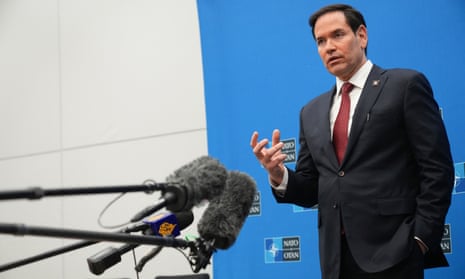
On December 24, 2025, the U.S. State Department announced visa restrictions against five Europeans under a new policy targeting foreigners deemed responsible for censorship of protected speech in the United States. U.S. Secretary of State Marco Rubio, in a post on the social media platform X, accused the individuals of leading "organized efforts to coerce American platforms to punish American viewpoints they oppose." He characterized them as "radical" activists and part of "weaponized" non-governmental organizations, stating the Trump administration "will no longer tolerate these egregious acts of extraterritorial censorship." The action utilizes immigration law as a tool in a broader administration campaign against perceived foreign influence over online speech, rather than employing traditional platform regulations or penalties.
The European Response and Defense of Sovereignty
The European Commission, the EU's executive branch, reacted swiftly and forcefully. In an official statement, it "strongly condemns the U.S. decision to impose travel restrictions" and has requested immediate clarification. The Commission warned, "If needed, we will respond swiftly and decisively to defend our regulatory autonomy against unjustified measures." It emphasized that the EU is "an open, rules-based single market, with the sovereign right to regulate economic activity in line with our democratic values and international commitments." French President Emmanuel Macron echoed this sentiment on X, condemning the restrictions as "intimidation and coercion aimed at undermining European digital sovereignty." He stressed that the EU's digital rules were forged through a "democratic and sovereign process" involving all member states and the European Parliament, and are designed to ensure fair competition without targeting any third country.

Key Individuals and the Role of the Digital Services Act
The most prominent figure barred is Thierry Breton, the former European Commissioner responsible for implementing the EU's Digital Services Act (DSA). U.S. Under Secretary of State for Public Diplomacy, Sarah Rogers, labeled Breton the "mastermind" behind the DSA in a social media post. The DSA, passed in 2022 with unanimous support from all 27 EU member states, imposes strict obligations on large online platforms to manage systemic risks, including the spread of illegal content and disinformation. Breton has been a vocal enforcer, notably clashing with tech billionaire Elon Musk over content moderation on the platform X. In response to the U.S. action, Breton posted on X, "To our American friends: 'Censorship isn't where you think it is.'" The other individuals barred are Imran Ahmed (CEO of the Centre for Countering Digital Hate), Josephine Ballon and Anna-Lena von Hodenberg (leaders of the German organization HateAid), and Clare Melford (who runs the Global Disinformation Index). Rubio accused all five of advancing foreign government censorship campaigns with "potentially serious adverse foreign policy consequences" for the U.S.
Broader Implications for Transatlantic Relations
This incident represents more than a diplomatic spat; it is a symptom of a deepening divergence in how the U.S. and EU conceptualize the digital public square. The EU prioritizes a regulatory model focused on user safety, fairness, and holding dominant platforms accountable, as embodied in the DSA and the Digital Markets Act. The current U.S. administration, however, views such regulations through a lens of free speech absolutism and sees European actions as overreach intended to silence American political discourse. The use of individual visa bans as a retaliatory tool sets a concerning precedent, potentially opening a new front in geopolitical disputes where personal mobility becomes a bargaining chip. It challenges the notion of a unified "West" on tech governance and could incentivize other nations to employ similar tactics, further fragmenting the global internet.

Conclusion: A Clash of Digital Philosophies
The U.S. decision to bar European officials marks a significant escalation in the battle over digital sovereignty. It transforms a regulatory disagreement into a direct geopolitical confrontation, with personal sanctions replacing policy debate. While the EU frames its rules as democratic tools for a safe and fair online environment, the U.S. administration frames them as instruments of censorship. The path forward is fraught. The EU's warning of a "swift and decisive" response suggests the potential for retaliatory measures, risking a tit-for-tat cycle that could damage broader economic and security cooperation. Ultimately, this conflict underscores the urgent need for renewed, high-level dialogue to establish common principles for governing the borderless digital realm, lest the foundational transatlantic alliance be eroded by the very technologies it helped create.