Global News Wrap: Vaccine Decisions, NATO Airspace Violations, and Iran Sanctions
Friday's major developments include Health Secretary Kennedy's vaccine advisory panel declining to recommend COVID shots for the fall season, Estonia reporting three Russian fighter jets violating its airspace in the third such incident this month testing NATO's eastern flank, and the United Nations preparing to reimpose tough sanctions on Iran over its nuclear program. These events highlight ongoing global health, security, and diplomatic challenges.
In a series of significant global developments on Friday, multiple international issues came to the forefront, spanning public health, regional security, and nuclear non-proliferation efforts. These events underscore the complex challenges facing the international community as nations navigate post-pandemic health policies, geopolitical tensions, and diplomatic negotiations.
Vaccine Advisory Panel Decision
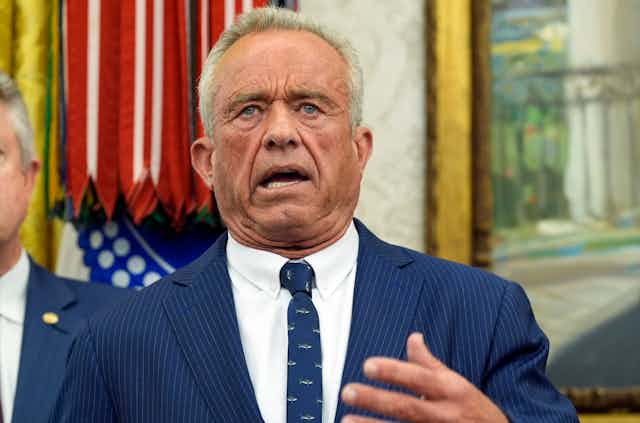
The overhauled panel of vaccine advisers under Health Secretary Kennedy has made the significant decision to decline recommending COVID-19 shots for the upcoming fall season. This development comes as health authorities worldwide continue to assess the evolving nature of the pandemic and appropriate public health responses. The decision reflects ongoing evaluation of current COVID-19 transmission rates, vaccine effectiveness against emerging variants, and the broader context of respiratory illness prevention strategies.
NATO Airspace Security Concerns
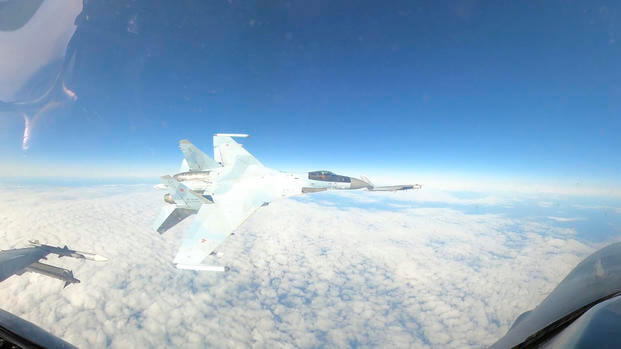
Estonia has reported that three Russian fighter jets violated its airspace, marking the third such incident this month where Moscow has tested NATO's eastern flank security. These repeated violations raise concerns about regional stability and the ongoing tensions between Russia and NATO member states. The incidents occur amid broader geopolitical tensions and highlight the importance of airspace sovereignty and collective defense mechanisms within the NATO alliance.
United Nations Sanctions on Iran
The United Nations is preparing to reimpose tough sanctions on Iran regarding its nuclear program. This decision comes after ongoing diplomatic efforts and reflects international concerns about Iran's nuclear activities. The sanctions represent a significant development in non-proliferation efforts and highlight the complex diplomatic landscape surrounding Iran's nuclear program and international security concerns.
International Implications
These simultaneous developments demonstrate the interconnected nature of global affairs, where health policy decisions, regional security concerns, and international diplomacy collectively shape the contemporary geopolitical landscape. The events underscore the ongoing challenges that governments and international organizations face in addressing complex, multi-faceted issues that transcend national borders and require coordinated international responses.

As these situations continue to develop, they will likely influence broader international relations, security policies, and global health strategies. The decisions made regarding COVID-19 vaccinations, responses to airspace violations, and nuclear non-proliferation efforts will have lasting implications for international cooperation and global stability in the coming months.