House Prepares Friday Vote on Short-Term Government Funding Measure
The U.S. House of Representatives is scheduled to vote Friday morning on a Republican-backed continuing resolution that would fund the federal government through November 21st. This stopgap measure aims to prevent a government shutdown while lawmakers continue negotiations on longer-term spending bills. The vote comes amid ongoing budget discussions and represents a critical step in maintaining government operations during the current fiscal year.
The U.S. House of Representatives is preparing for a crucial Friday morning vote on a Republican-proposed continuing resolution that would maintain government funding through November 21st. This legislative action represents a temporary solution to avoid a potential government shutdown while congressional leaders continue negotiations on comprehensive spending legislation for the current fiscal year.
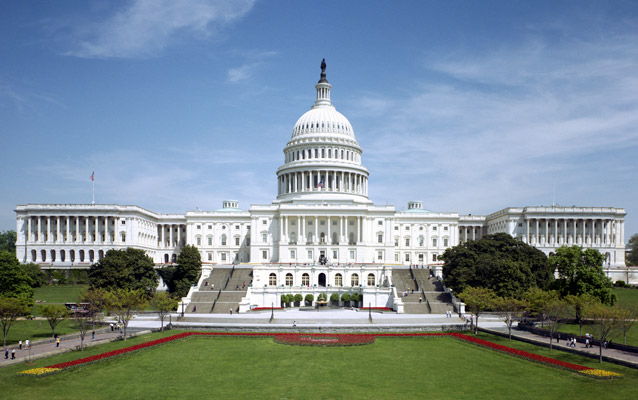
The proposed measure, known as a continuing resolution, serves as a stopgap funding mechanism that extends current spending levels for federal agencies and programs. This approach allows lawmakers additional time to reach consensus on appropriations bills without disrupting government operations. The November 21st deadline provides a six-week extension from the current funding expiration, creating a window for more detailed budget negotiations.
Legislative Context and Timing
The Friday vote occurs against the backdrop of ongoing fiscal year budget discussions. Continuing resolutions have become a common legislative tool used by Congress to maintain government funding when full-year appropriations bills haven't been completed by the start of the fiscal year on October 1st. This particular measure follows standard procedural patterns for temporary funding extensions.
Political Considerations
The Republican-backed measure reflects the current political dynamics in the House, where the majority party typically takes the lead on funding legislation. The vote timing on Friday morning allows for consideration and potential passage before the weekend, providing certainty about government operations moving forward. The November 21st deadline sets a specific timeframe for further negotiations, creating pressure for lawmakers to reach agreement on longer-term funding solutions.

Implementation and Next Steps
Following House passage, the continuing resolution would proceed to the Senate for consideration. Both chambers must approve identical legislation before it can be sent to the President for signature. The relatively short duration of the funding extension through November 21st indicates expectations that broader budget agreements may be reachable within that timeframe. This approach maintains government operations while allowing continued negotiation on substantive spending priorities and policy differences.
The Friday vote represents a critical step in the annual appropriations process, demonstrating Congress's ongoing responsibility to fund government operations while working through complex budget considerations and policy disagreements that characterize modern legislative processes.