FBI Director Senate Hearing: Insights into Federal Law Enforcement Challenges
FBI Director Patel's Senate hearing provides critical insights into the ongoing challenges facing the nation's premier federal law enforcement agency. The proceedings offer a window into internal turmoil, operational complexities, and the delicate balance between national security and civil liberties. This analysis examines the key themes and implications emerging from the congressional oversight process.
The Senate hearing featuring FBI Director Patel represents a significant moment of congressional oversight into the operations and challenges of the nation's primary federal law enforcement agency. These proceedings typically serve as a barometer for the health and effectiveness of the FBI's mission execution, particularly during periods of heightened political scrutiny and public concern.
The hearings are expected to provide unprecedented insight into the sustained tumult within the FBI, addressing both internal management issues and external operational challenges. Congressional oversight committees use these opportunities to assess leadership effectiveness, resource allocation, and compliance with constitutional mandates.
Congressional Oversight Context
Senate hearings involving FBI directors follow established protocols for executive branch accountability. These sessions allow lawmakers to exercise their constitutional responsibility of oversight while providing the public with transparency regarding law enforcement operations. The current hearing occurs against a backdrop of increasing scrutiny of federal law enforcement practices.
Key Hearing Focus Areas
Several critical areas typically dominate these congressional examinations. Operational effectiveness, budget justification, and policy implementation represent core components of the questioning. Lawmakers often probe specific cases, organizational management, and inter-agency coordination efforts.
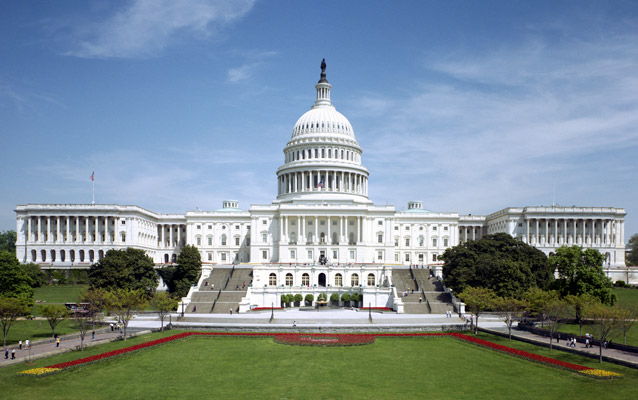
Implications for Federal Law Enforcement
The outcomes of these hearings frequently influence both public perception and operational parameters for the FBI. Congressional feedback can shape budget allocations, policy directives, and operational priorities. The hearing process also serves as a mechanism for addressing public concerns about law enforcement practices and civil liberties protections.
Future Operational Considerations
As the FBI continues to navigate complex security landscapes, congressional oversight remains essential for maintaining public trust and operational effectiveness. The hearing provides an opportunity for Director Patel to outline strategic priorities and address concerns about the agency's direction and management.
The Senate hearing with FBI Director Patel offers valuable insights into the challenges facing modern federal law enforcement. These proceedings demonstrate the ongoing importance of congressional oversight in maintaining accountability and effectiveness within the nation's premier law enforcement agency. The outcomes will likely influence both public confidence and operational approaches in the coming months.