China's Aircraft Carrier Fujian Begins South China Sea Testing Phase
China's newest aircraft carrier, the Fujian, has embarked on its first major testing phase in the South China Sea. The advanced warship represents China's growing naval capabilities and technological advancements in maritime defense. This deployment marks a significant milestone in China's naval modernization program and demonstrates the country's commitment to enhancing its blue-water navy capabilities in strategically important waters.
China's third aircraft carrier, the Fujian, has commenced its inaugural testing operations in the South China Sea, marking a significant advancement in the country's naval capabilities. The domestically-built carrier represents China's latest generation of naval technology and underscores the nation's growing maritime power projection capabilities in strategically vital waters.
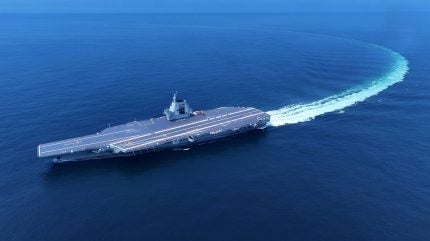
The Fujian aircraft carrier, named after the southeastern Chinese province, is China's first carrier to feature electromagnetic catapults similar to those used on the latest U.S. carriers. This advanced technology allows for more efficient aircraft launches and represents a substantial technological leap from China's previous carriers, which used ski-jump ramps for takeoffs. The electromagnetic catapult system enables the carrier to launch heavier aircraft with more fuel and weapons, significantly enhancing its combat capabilities.
Technical Specifications and Capabilities
The Fujian displaces approximately 80,000 tons and measures about 316 meters in length, making it considerably larger than China's previous carriers. The vessel features a flat flight deck and three electromagnetic catapults, which represent a major technological advancement for the People's Liberation Army Navy. This design allows for more rapid aircraft launches and recoveries, increasing the carrier's operational efficiency and combat readiness.

Strategic Significance of South China Sea Deployment
The choice of the South China Sea for testing operations carries significant geopolitical implications. This strategically important waterway has been a focal point of regional tensions, with China asserting extensive territorial claims that overlap with those of neighboring countries. The deployment of advanced naval assets like the Fujian in these waters demonstrates China's commitment to protecting its maritime interests and asserting its presence in the region.
The testing phase will involve comprehensive evaluations of the carrier's systems, including propulsion, navigation, aircraft launch and recovery operations, and combat systems integration. This rigorous testing protocol is essential for ensuring the vessel's operational readiness and identifying any necessary adjustments before full commissioning into active service.
Regional and Global Implications
The introduction of the Fujian carrier represents a substantial enhancement of China's naval capabilities and reflects the country's broader military modernization efforts. As China continues to develop its blue-water navy capabilities, the Fujian's successful deployment could significantly alter the regional balance of naval power. The carrier's advanced technology and increased operational capacity position China among the few nations capable of operating modern, catapult-assisted aircraft carriers.

The Fujian's testing phase in the South China Sea represents a crucial step in China's naval development strategy. As the vessel undergoes comprehensive evaluation and refinement, it signals China's continued commitment to advancing its maritime capabilities and asserting its presence in strategically important international waters. The successful integration of this advanced carrier into China's naval fleet will undoubtedly have lasting implications for regional security dynamics and global naval balance.