Nepal's Social Media Ban Protests Topple Government, Leave 20 Dead
Widespread protests in Nepal over a controversial social media ban have resulted in nearly 20 fatalities and forced Prime Minister KP Sharma Oli to resign. The government's decision to block major platforms sparked mass demonstrations across the country, leading to violent clashes between protesters and security forces. The unrest highlights the critical role of digital communication in modern governance and public discourse.
Nepal has experienced significant political upheaval following widespread protests against the government's decision to ban major social media platforms. The demonstrations, which erupted across the country, resulted in nearly 20 fatalities and ultimately led to the resignation of Prime Minister KP Sharma Oli. This development marks a dramatic turn in Nepal's political landscape and underscores the growing importance of digital communication rights in contemporary governance.

Background of the Social Media Ban
The Nepalese government implemented a ban on several major social media platforms, citing concerns about national security and the spread of misinformation. The decision was met with immediate backlash from citizens, activists, and opposition parties who viewed the move as an attempt to suppress free speech and limit political dissent. The ban affected platforms that had become essential tools for communication, news dissemination, and political organization throughout the country.
Escalation of Protests
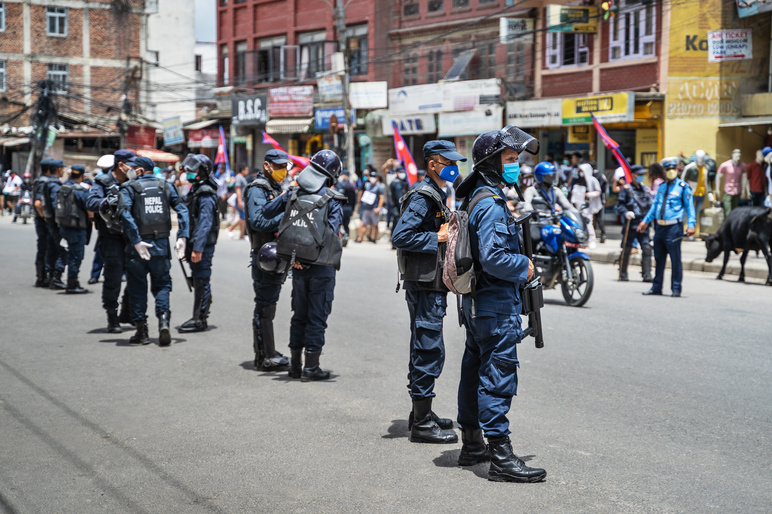
Public outrage quickly transformed into organized demonstrations across major cities, including Kathmandu, Pokhara, and Biratnagar. Protesters demanded the immediate restoration of social media access and called for greater digital freedoms. The situation escalated when security forces attempted to disperse crowds using various measures, leading to violent confrontations that resulted in numerous casualties and injuries.
Political Consequences
The mounting pressure from sustained protests and international criticism forced Prime Minister Oli to reconsider the social media ban. Following the lifting of restrictions, the political fallout continued as opposition parties and protest leaders demanded accountability for the violence and casualties. The government's inability to manage the crisis effectively ultimately led to Oli's resignation, marking a significant victory for the protest movement.
Regional and International Implications
This episode in Nepal's political history has drawn attention from regional neighbors and international observers. The events demonstrate how digital rights and internet freedom have become central issues in modern governance. Many analysts see this as part of a broader pattern where governments worldwide are grappling with balancing security concerns against fundamental digital rights and freedoms.
Moving Forward
The resolution of this crisis presents both challenges and opportunities for Nepal's political stability. The new leadership will need to address the underlying concerns that sparked the protests while maintaining national security. This incident serves as a reminder of the powerful role that digital platforms play in modern political movements and the importance of transparent governance in the digital age.