The Resurgence of Preventable Diseases Amid Vaccine Hesitancy
Vaccination campaigns have successfully controlled many deadly diseases, but rising vaccine hesitancy and reduced global support are leading to dangerous outbreaks. This article examines how public health achievements are being undermined by misinformation and political decisions, threatening global health security.
Vaccination stands as one of public health's greatest achievements, having brought numerous deadly diseases to the brink of eradication. From smallpox's complete elimination to the near-disappearance of polio and measles in many regions, vaccines have saved countless lives and transformed global health landscapes. However, this progress is now facing unprecedented challenges as vaccine hesitancy grows and political support wavers.

The current situation represents a troubling reversal of decades of public health advancement. Diseases that were once considered controlled are reemerging in communities worldwide, putting vulnerable populations at risk and straining healthcare systems. This resurgence occurs despite the availability of safe and effective vaccines, highlighting the complex social and political factors influencing vaccination uptake.
The Historical Success of Vaccination Programs
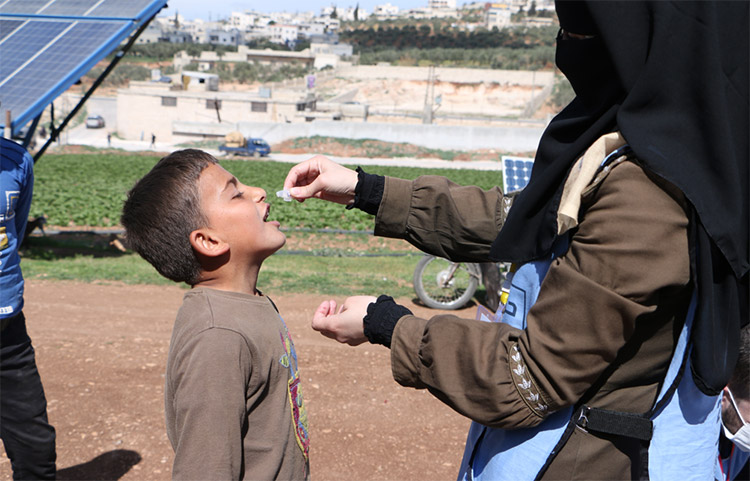
Vaccination campaigns have fundamentally altered global disease patterns. Smallpox, which killed an estimated 300 million people in the 20th century alone, was declared eradicated in 1980 following an intensive global vaccination effort. Polio cases have decreased by over 99% since 1988, with the disease now endemic in only two countries. Measles vaccination prevented an estimated 23.2 million deaths between 2000 and 2018, according to public health data.
The Rise of Vaccine Hesitancy
Despite overwhelming scientific evidence supporting vaccine safety and efficacy, hesitancy has become increasingly prevalent. Misinformation spread through social media and other channels has eroded public trust in vaccination programs. Concerns about side effects, often based on debunked studies or anecdotal evidence, have led some parents to delay or refuse vaccinations for their children.
Political Challenges and Global Support
The withdrawal of support from major global health initiatives has further complicated vaccination efforts. Reduced funding and political commitment have weakened international coordination mechanisms, making it harder to respond to outbreaks and maintain vaccination coverage in vulnerable regions. This pullback comes at a time when global cooperation is most needed to address emerging health threats.
Consequences of Declining Vaccination Rates
As vaccination rates drop, herd immunity—the protection offered to unvaccinated individuals when a sufficient portion of the population is immunized—begins to weaken. This creates conditions ripe for disease resurgence. Recent years have seen measles outbreaks in communities with previously high vaccination coverage, demonstrating how quickly protection can erode when vaccination rates fall below critical thresholds.
Moving Forward: Rebuilding Trust and Commitment
Addressing the current challenges requires a multi-faceted approach. Strengthening public health communication, combating misinformation, and rebuilding trust in scientific institutions are essential components. Additionally, renewed political commitment and sustained funding for global vaccination initiatives are necessary to prevent backsliding on hard-won public health gains.
The reemergence of vaccine-preventable diseases serves as a stark reminder that public health achievements require ongoing vigilance and support. As global connectivity increases the potential for rapid disease spread, maintaining strong vaccination programs becomes not just a matter of individual protection, but a critical component of global health security.