Trump Implements U.S.-Japan Trade Agreement Through Executive Order
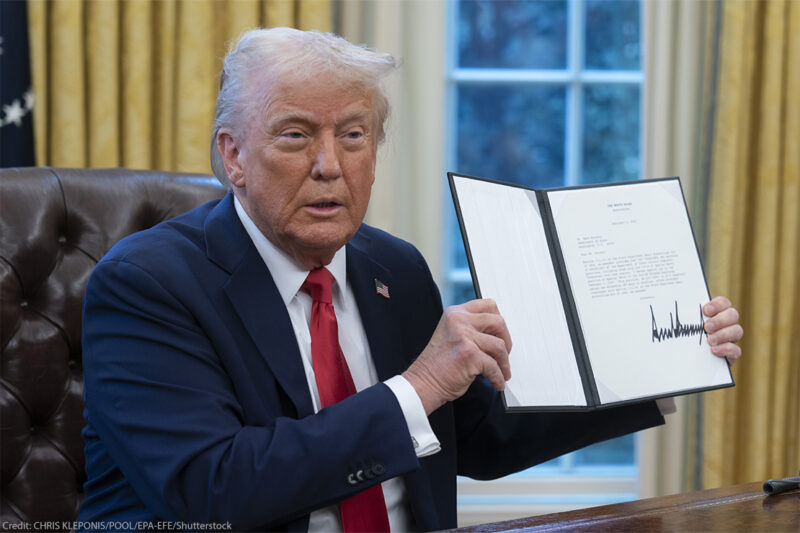
President Donald Trump signed an executive order on Thursday to implement the U.S.-Japan trade agreement, which reduces tariffs on Japanese automobile imports and other products. The agreement, initially announced in July, represents a significant step in bilateral trade relations between the two economic powers. This move aims to strengthen economic ties and create more favorable conditions for trade between the United States and Japan.
President Donald Trump took decisive action on Thursday by signing an executive order to implement the U.S.-Japan trade agreement, marking a significant development in international trade relations. This agreement, which was originally announced in July, focuses on reducing tariffs specifically on Japanese automobile imports along with various other products, creating new opportunities for economic cooperation between the two nations.
The implementation of this trade deal represents a strategic move in strengthening bilateral economic ties. By lowering tariffs on key Japanese exports, particularly automobiles, the agreement aims to facilitate smoother trade flows and enhance market access for businesses in both countries. This development comes at a time when global trade dynamics are increasingly important for economic growth and stability.
Key Components of the Trade Agreement
The U.S.-Japan trade agreement encompasses several critical elements designed to benefit both economies. The reduction of tariffs on automobile imports stands as one of the most significant aspects, potentially making Japanese vehicles more accessible to American consumers. Additionally, the agreement addresses various other product categories, creating a more comprehensive framework for trade between the two nations.

Economic Implications and Future Prospects
The implementation of this agreement through executive action demonstrates the administration's commitment to advancing trade relationships that benefit American interests. This move could lead to increased economic activity and potentially create new opportunities for businesses operating in both markets. The agreement's focus on reducing trade barriers aligns with broader efforts to promote free and fair trade practices internationally.
As the trade agreement takes effect, stakeholders from various sectors will be monitoring its impact on market dynamics and economic indicators. The successful implementation of this deal could serve as a model for future trade negotiations and agreements with other trading partners, reinforcing the importance of strategic economic partnerships in today's global economy.