U.S. Appeals Court Rules Majority of Trump Tariffs Illegal
A divided U.S. appeals court delivered a significant ruling on Friday declaring that most of former President Donald Trump's tariffs are illegal. This landmark decision addresses the legal boundaries of presidential trade authority and could have far-reaching implications for international trade policy and future executive actions. The court's ruling represents a major judicial check on executive power in trade matters.
A divided U.S. appeals court issued a landmark ruling on Friday that declared the majority of former President Donald Trump's tariffs illegal. This decision represents a significant judicial check on executive authority in trade matters and could reshape the legal landscape for future presidential trade actions.
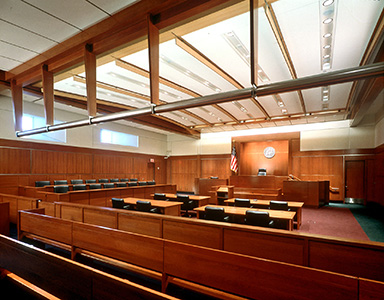
The court's ruling addresses the legal boundaries of presidential power under existing trade legislation. The divided nature of the decision highlights the complex legal questions surrounding executive authority in international trade policy. This ruling could potentially invalidate numerous tariff measures implemented during the Trump administration.
Legal Basis of the Ruling
The appeals court examined the statutory authority under which the tariffs were implemented. The judges considered whether the executive branch overstepped its legal boundaries in imposing these trade measures. The majority opinion found that most of the tariffs lacked proper statutory authorization, rendering them unlawful.

Implications for Trade Policy
This ruling sets an important precedent for future presidential trade actions. It establishes clearer boundaries for executive authority in implementing tariffs and other trade measures. The decision may influence how future administrations approach trade policy and international economic relations.
The court's ruling could lead to challenges against other executive trade actions. It reinforces the principle that presidential authority in trade matters must operate within congressional statutory frameworks. This decision underscores the importance of judicial oversight in maintaining the balance of powers in trade policy implementation.