China's Military Parade and Diplomatic Gathering Signal Global Power Shift
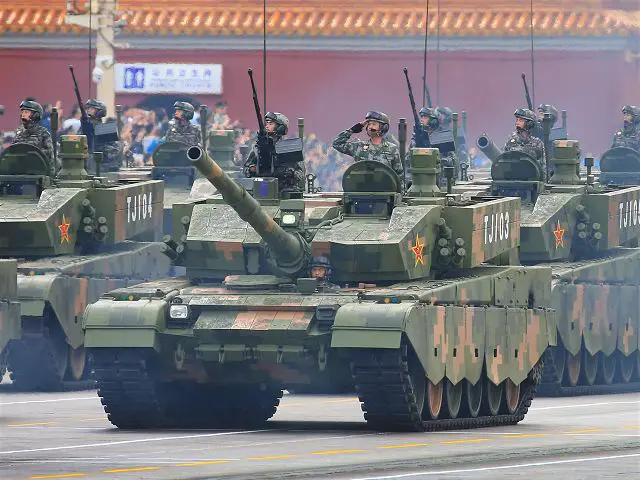
China recently showcased its military strength through a major parade in Beijing, coinciding with high-level diplomatic meetings that notably excluded the United States. This strategic display represents China's concerted effort to establish itself as a dominant global power, challenging existing international dynamics. The event featured discussions between international journalists and former U.S. officials, highlighting growing concerns about China's expanding influence and the implications for global geopolitics.
China's recent military parade through the streets of Beijing represents more than just a display of national strength—it marks a strategic positioning in the global power landscape. This extraordinary demonstration of military capability coincided with several days of high-level diplomatic engagements, notably conducted without United States participation, signaling China's determined push to cement its status as a preeminent global power.
The timing and scale of these events underscore China's calculated approach to international relations. By hosting significant diplomatic gatherings alongside military demonstrations, China sends a clear message about its capabilities and intentions on the world stage. This coordinated effort reflects a broader strategy to reshape global alliances and influence international norms.
Diplomatic Implications and U.S. Absence
The absence of United States representation at these high-level meetings speaks volumes about current geopolitical tensions. As reported by PBS NewsHour, the event featured discussions between international journalists and former U.S. officials, including Kurt Campbell, who served as deputy secretary of state during the Biden Administration. These conversations highlighted growing concerns about China's expanding influence and the implications for international relations.

The diplomatic component of China's recent activities suggests a deliberate effort to build alternative international frameworks that operate outside traditional Western-led institutions. This approach allows China to cultivate relationships with other nations while demonstrating its capacity to host significant global gatherings without U.S. involvement.
Global Power Dynamics Shift
China's military parade and diplomatic offensive occur against the backdrop of shifting global power dynamics. The country's actions reflect its ambition to challenge existing international structures and establish new centers of influence. This strategy involves both hard power demonstrations through military displays and soft power exercises through diplomatic engagement.
The combination of military might and diplomatic activity represents a comprehensive approach to global leadership. China appears to be testing the waters for a world where multiple powers can shape international affairs, rather than the traditional U.S.-led order that has dominated since World War II.
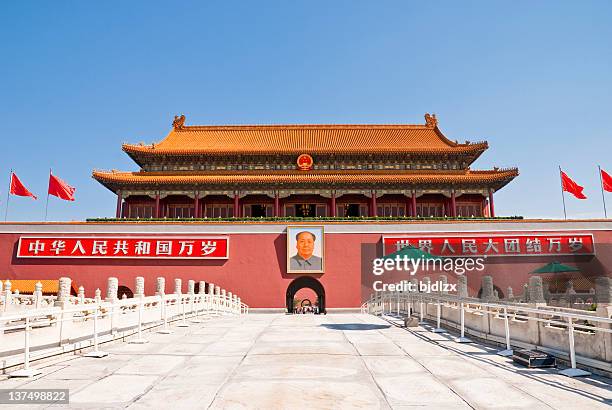
As China continues to flex its military and diplomatic muscles, the international community watches closely to see how other nations respond to this emerging power dynamic. The absence of the United States from these proceedings particularly underscores the changing nature of global leadership and alliance structures.