The History and Significance of Labor Day in America
Labor Day, celebrated on the first Monday of September, is a federal holiday honoring American workers and their contributions to the nation's strength and prosperity. This article explores the origins of Labor Day, tracing its roots back to the labor movement of the late 19th century and examining how it evolved into the national holiday we recognize today. We'll look at the historical context that led to its establishment and its enduring significance in American society.
Labor Day stands as one of America's most significant federal holidays, dedicated to honoring the contributions and achievements of workers across the nation. Celebrated annually on the first Monday of September, this holiday represents more than just a long weekend—it symbolizes the hard-won rights and dignity of the American labor force. The origins of Labor Day trace back to the labor movement of the late 19th century, a period marked by rapid industrialization and growing demands for workers' rights.

The establishment of Labor Day emerged from the labor movement's struggle for better working conditions, fair wages, and reasonable hours. During the Industrial Revolution, American workers often faced grueling 12-hour workdays, seven days a week, in often dangerous conditions. The labor movement organized to demand change, leading to the first Labor Day celebration in 1882 in New York City, organized by the Central Labor Union. This initial celebration featured a parade demonstrating the strength and spirit of trade and labor organizations, followed by festivities for workers and their families.
The Path to Federal Recognition
The momentum for a national labor holiday grew steadily following the success of the first celebrations. By 1887, Oregon became the first state to officially recognize Labor Day as a public holiday. Other states quickly followed suit, and the movement gained national attention. The push for federal recognition intensified as labor organizations across the country advocated for official acknowledgment of workers' contributions to America's economic prosperity.
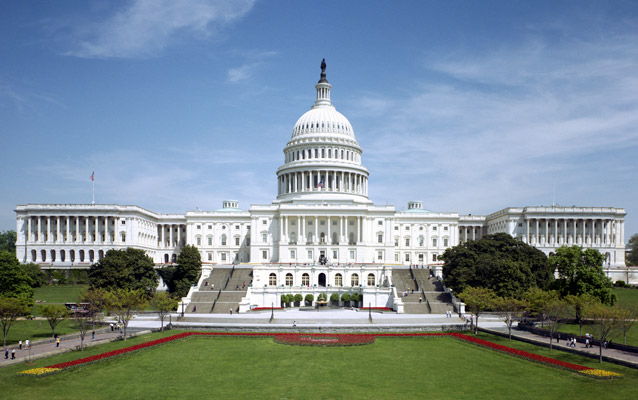
In 1894, following the Pullman Strike and growing labor unrest, President Grover Cleveland signed legislation making Labor Day a national holiday. This move was seen as both a conciliatory gesture toward the labor movement and recognition of the importance of American workers to the nation's success. The legislation established the first Monday in September as the official date, creating a consistent national observance that continues to this day.
Modern Significance and Celebrations
Today, Labor Day serves as both a celebration of workers' achievements and a symbolic end to summer. While many Americans enjoy the long weekend with barbecues, parades, and family gatherings, the holiday maintains its fundamental purpose of honoring the labor movement's legacy. It stands as a reminder of the progress made in workers' rights, including the establishment of the eight-hour workday, weekends, and workplace safety regulations that millions benefit from today.
The holiday also provides an opportunity to reflect on ongoing labor issues and the continuing evolution of the American workforce. From traditional manufacturing jobs to the growing gig economy, Labor Day remains relevant as it adapts to recognize all forms of work and contribution to the nation's economy and society.