Congress Cuts $1.1 Billion from Public Broadcasting: Impact on PBS and NPR Stations
The recent congressional decision to eliminate $1.1 billion in public broadcasting funding has created significant challenges for 330 PBS and 246 NPR stations nationwide. These stations, each with unique community-focused missions and historical contexts, now face the difficult task of adapting to substantial budget reductions while maintaining their essential public service roles. The funding cuts represent a major shift in federal support for educational and informational media that has served American communities for decades.
The summer congressional decision to eliminate $1.1 billion allocated to public broadcasting has sent shockwaves through the nation's public media ecosystem. This substantial funding cut affects approximately 330 PBS television stations and 246 NPR radio stations, each of which serves distinct communities with specialized programming tailored to local needs and interests. The elimination of this critical funding stream represents one of the most significant challenges public broadcasting has faced in recent decades.
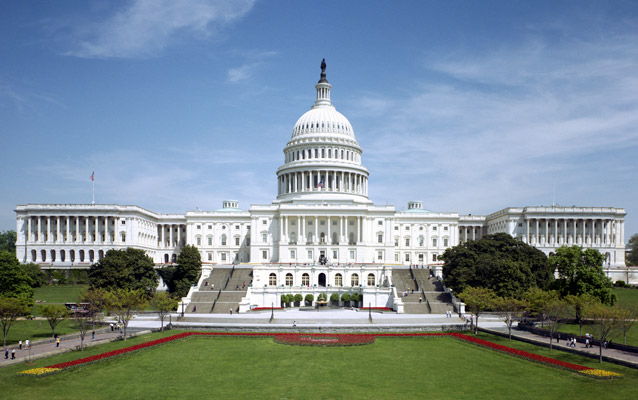
Public broadcasting stations have long relied on a combination of federal funding, corporate underwriting, and individual donations to sustain their operations. The congressional decision to cut this funding creates immediate financial pressure that threatens the continuity of many local stations, particularly those in rural and underserved areas where alternative funding sources may be limited. These stations provide essential educational content, local news coverage, and cultural programming that commercial broadcasters often neglect.
Immediate Operational Challenges
The funding elimination creates immediate operational challenges for stations across the country. Many stations had already budgeted for this funding and now face significant shortfalls. Station managers must make difficult decisions about programming, staffing, and community outreach efforts. The timing of the cut exacerbates these challenges, as stations must quickly adapt to the new financial reality without the luxury of long-term planning.
Community-Specific Impacts
Each of the 576 affected stations faces unique circumstances based on their community demographics, existing funding structures, and historical relationships with local supporters. Stations in economically disadvantaged areas may struggle more significantly than those in wealthier communities with established donor bases. The diversity of impacts underscores the complex nature of public broadcasting's relationship with different American communities.

Long-Term Sustainability Questions
The funding cuts raise fundamental questions about the long-term sustainability of public broadcasting in the United States. Stations must now develop new revenue models while maintaining their public service mission. This transition may require significant organizational restructuring and could potentially alter the nature of public media content and distribution. The challenge lies in preserving the educational and informational values that define public broadcasting while adapting to new financial realities.
As stations navigate this new landscape, the broader implications for media diversity and community information access remain uncertain. The congressional decision represents a pivotal moment for public broadcasting that will likely shape its future direction and character for years to come.