Read on Global News
WestJet's Power Wheelchair Weight Limit Sparks Accessibility Concerns
WestJet Airlines faces criticism from travelers and disability advocates over its 300-pound weight limit for power wheelchairs on most aircraft. The policy, implemented after an engineering analysis, has left some Canadians unable to travel with their essential mobility devices. Advocates argue this effectively denies air travel access to many power wheelchair users, as no other major North American airline maintains such a low weight cap for mobility aids on jets. The controversy highlights ongoing accessibility challenges in air travel for people with disabilities.
WestJet Airlines is facing significant criticism from travelers and disability advocates over a policy that restricts passengers from traveling with certain power wheelchairs on most of its aircraft. The Calgary-based carrier maintains a 300-pound weight limit for mobility aids across the majority of its fleet, a restriction that advocates say discriminates against people living with disabilities and effectively denies them access to air travel.

The Weight Limit Controversy
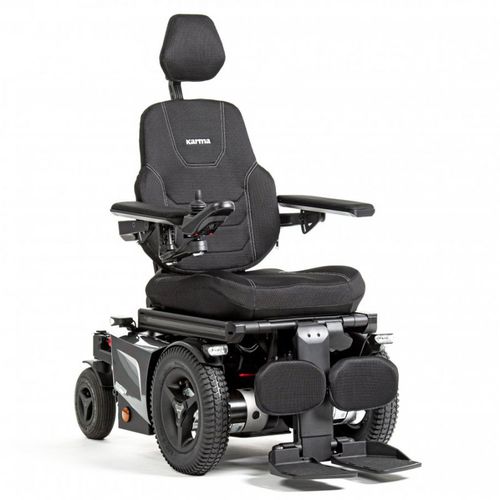
According to WestJet's official policy, mobility aids are capped at 300 pounds for the vast majority of its aircraft. This weight restriction rules out many modern power wheelchairs, which often exceed this limit due to their advanced features and custom configurations. The airline states it implemented this policy following an engineering analysis conducted last year, citing accessibility regulations that permit carriers to refuse transport of heavier mobility aids when necessary.
Impact on Travelers
The policy has had tangible consequences for passengers who rely on power wheelchairs for mobility. Steven Fletcher, a Manitoba resident and former MP, experienced this firsthand when an airline agent informed him that WestJet would not transport his wheelchair on a flight from Winnipeg to Toronto last February. Fletcher had flown with WestJet for years without issue before this incident. Forced to use a different wheelchair, he subsequently developed pain and pressure sores that required medical attention, highlighting the health implications of being separated from one's primary mobility device.
Legal and Regulatory Context
WestJet's position, as outlined in its response to a regulatory complaint filed by Fletcher, maintains that current accessibility regulations allow airlines to refuse transport of mobility aids that exceed weight limits. However, disability advocates counter that the 300-pound cap is exceptionally low compared to industry standards. Devin Glim, a lawyer with ARCH Disability Law Centre, notes that no other major North American airline maintains such a restrictive weight limit for mobility aids on jet aircraft, creating what advocates describe as a discriminatory barrier to air travel.
Industry Comparison and Advocacy Response
The advocacy community has emphasized that WestJet's policy stands in stark contrast to practices at other major carriers. While airlines typically have weight restrictions for safety and operational reasons, WestJet's 300-pound limit is significantly lower than what competitors allow for power wheelchairs on similar aircraft. This discrepancy raises questions about whether the policy represents a necessary safety measure or an unnecessary barrier to accessibility for people with disabilities who depend on custom power wheelchairs for daily mobility.

Moving Forward
As the debate continues, disability advocates are calling for WestJet to reconsider its weight limit policy and explore alternative solutions that balance safety concerns with the rights of passengers with disabilities to access air travel. The situation underscores the ongoing challenges that people with disabilities face in navigating transportation systems designed without full consideration of their needs. With air travel being an essential service for many Canadians, finding equitable solutions that accommodate all passengers remains a critical priority for both airlines and regulatory bodies.