Pope Francis Interview, Cuban Espionage, and Auschwitz Photo Album Play: A Weekly News Analysis
This week's news landscape features three significant stories: Pope Francis's revealing 60 Minutes interview addressing contemporary moral issues, the concerning case of Americans spying for Cuba within the United States, and a powerful theatrical production based on a Nazi photo album from Auschwitz. These diverse stories highlight the intersection of religion, international security, and historical remembrance in today's complex world.
This week's news cycle presents three distinct yet compelling stories that span the realms of religion, international espionage, and historical remembrance. From the Vatican to American intelligence operations and the haunting legacy of Auschwitz, these narratives offer insights into contemporary global issues that continue to shape our understanding of morality, security, and historical accountability.

Pope Francis: The 60 Minutes Interview
Pope Francis's appearance on 60 Minutes marks a significant moment in papal communication with global audiences. The interview provided a platform for the pontiff to address pressing moral and social issues facing the modern world. His responses likely touched on topics ranging from social justice and environmental concerns to the Church's stance on contemporary ethical questions. This engagement with mainstream media reflects the Vatican's ongoing efforts to connect with broader audiences beyond traditional religious channels.
Americans Spying for Cuba: National Security Concerns
The revelation of Americans conducting espionage activities on behalf of Cuba within United States territory raises serious national security questions. This case underscores the persistent challenges facing intelligence agencies in detecting and preventing foreign influence operations. The incident highlights how ideological alignment or other motivations can lead citizens to engage in activities that compromise national security interests. Such cases typically involve complex investigations into the methods, motivations, and potential damage caused by these espionage activities.

The Album: Auschwitz Photo Album Play
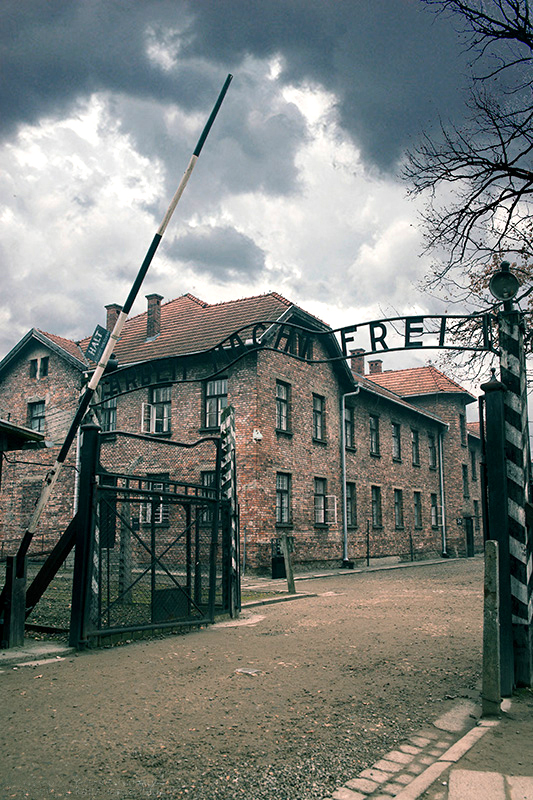
The theatrical production based on a Nazi photo album from Auschwitz represents a powerful approach to Holocaust education and remembrance. Using actual photographic evidence from one of history's most horrific periods, this play serves as a visceral reminder of the human cost of hatred and intolerance. Such artistic interpretations of historical artifacts help new generations understand the magnitude of the Holocaust while honoring the memories of victims. The production likely explores the stories behind the photographs, giving voice to those who were silenced and ensuring their experiences are not forgotten.
Interconnected Themes and Contemporary Relevance
While these three stories may seem disparate, they collectively address themes of morality, accountability, and historical consciousness. Pope Francis's interview speaks to moral leadership in complex times, the espionage case reveals ongoing geopolitical tensions, and the Auschwitz play reminds us of the consequences when humanity fails to uphold basic ethical standards. Together, they form a mosaic of challenges and reflections that continue to shape our global community and collective memory.
These stories, while distinct in their subject matter, collectively contribute to our understanding of contemporary issues. They remind us of the ongoing need for ethical leadership, vigilance in national security, and commitment to historical truth. As we process these narratives, they challenge us to reflect on our responsibilities as global citizens in addressing complex moral, political, and historical questions that continue to resonate in today's world.