Read on Global News
Hungarian Man Arrested for Illegal Possession and Consumption of Human Remains
Hungary's National Bureau of Investigation arrested a 30-year-old Budapest man on suspicion of illegally using human bodies. During a search, authorities discovered prepared human faces, facial skin, bones, a lower leg, brain, hand, head, skulls, and a heart in his possession. The suspect admitted to being 'particularly attracted to human body parts' and claimed he prepared and consumed them in various ways. This disturbing case echoes a similar incident in Pennsylvania, where a man was charged with stealing over 100 human skulls and remains from an abandoned cemetery. The article explores the legal charges, the suspect's statements, and the broader implications of such crimes.
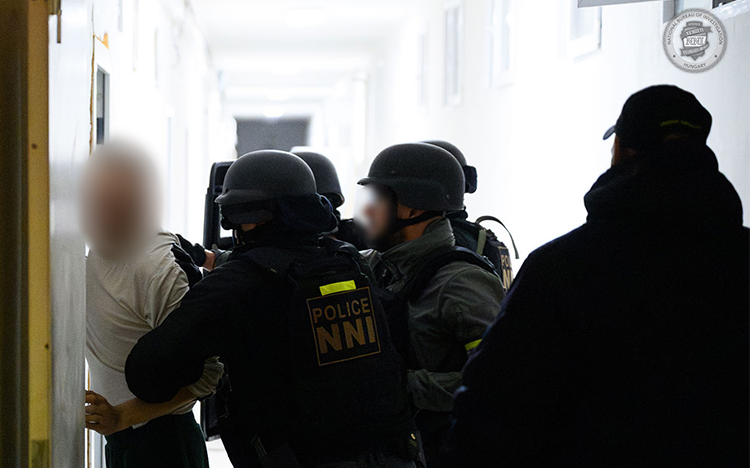
Hungary's National Bureau of Investigation has arrested a 30-year-old man from Budapest on suspicion of illegal use of human bodies, following a disturbing discovery that has shocked the nation. During a search of his residence, authorities uncovered a macabre collection of human remains, including prepared facial skin, bones stored in a suitcase, a complete lower leg, brain, hand, head, skulls, and a heart. The suspect, who worked at a hospital, confessed to being 'particularly attracted to human body parts' and admitted to preparing and consuming them in various ways. This high-profile case has raised serious ethical and legal questions about the handling of human remains and the psychological underpinnings of such behavior.
Details of the Arrest
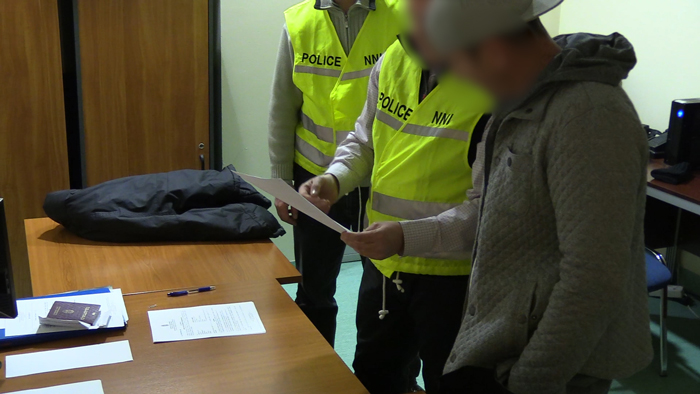
The arrest was announced by Hungary's National Bureau of Investigation after a thorough probe into the suspect's activities. The 30-year-old man, whose identity has not been disclosed for legal reasons, was taken into custody on charges related to the illegal use of human bodies. During the search, investigators found a shocking array of remains: a prepared human face and facial skin, bones stored in a suitcase, a complete lower leg, brain, hand, head, skulls, and a heart. The bureau noted that the origin of the last body part is still being investigated to determine whether it is human or animal. All seized remains will be examined by forensic experts to gather further evidence.
Suspect’s Background and Confession
During interrogation, the suspect revealed a disturbing fascination with human remains. He stated that he was 'particularly attracted to human body parts, from which he had prepared food for himself and consumed them in various ways.' According to police, the man is passionate about anatomy and pathology, and enjoys dissecting animals. Investigators believe he obtained the body parts through his work at a hospital, as well as by digging up bodies in abandoned cemeteries in Slovakia and Hungary. This dual source of procurement highlights a calculated and methodical operation that spanned multiple locations and involved significant risk.

Legal Charges and Proceedings
The man is currently being held on suspicion of illegal use of human bodies, a serious offense under Hungarian law. Alongside the remains, police also seized his computer, laptops, tablets, mobile phones, SIM cards, and data cards. These digital devices are expected to provide crucial insights into his activities, including any online communications, research, or documentation related to his actions. The case has been referred to forensic experts who will analyze the remains and digital evidence to build a comprehensive legal case. If convicted, the suspect could face significant prison time, reflecting the gravity of his crimes.
Comparison to Similar Case in Pennsylvania
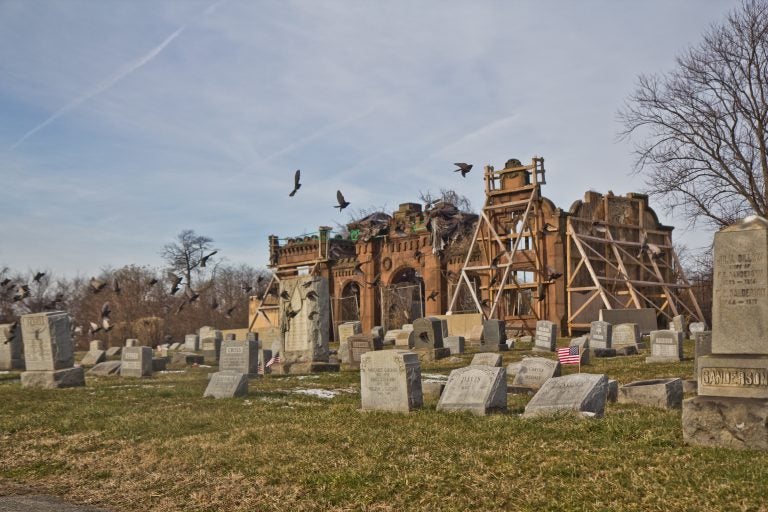
This case is not an isolated incident, as a similar situation occurred in the United States earlier in 2026. In January, Jonathan Gerlach, a 34-year-old Pennsylvania man, was arrested and charged with over 500 counts related to the theft of human skulls and numerous skeletal remains from Mount Moriah Cemetery, an abandoned burial ground on the outskirts of Philadelphia. Police discovered more than 100 human skulls, long bones, mummified hands and feet, two decomposing torsos, and other skeletal remains in his home and storage unit. Gerlach was arrested as he walked back toward his car with a crowbar, after a months-long investigation into break-ins at the cemetery, where at least 26 mausoleums and vaults had been forced open since early November 2025. Delaware County District Attorney Tanner Rouse described the scene as 'a horror movie come to life,' expressing grief for the victims' families. Gerlach faces multiple charges including abuse of a corpse, receiving stolen property, desecration of a public monument, and burglary. Both cases underscore a disturbing trend of individuals illegally obtaining and keeping human remains, often driven by psychological compulsions.
Ethical and Psychological Implications
These cases raise profound ethical and psychological questions about the desecration of human remains and the motivations behind such acts. The illegal use of human bodies violates fundamental societal norms regarding respect for the dead and the dignity of human remains. Forensic psychologists suggest that individuals with necrophilic tendencies or severe anatomical obsessions may be driven by deep-seated psychological issues, including trauma, paranoia, or a distorted sense of curiosity. The fact that both suspects used their workplace connections (a hospital and a cemetery) to access remains indicates a premeditated and systematic approach, rather than impulsive behavior. These incidents also highlight gaps in security and oversight at sites where human remains are kept, from hospitals to cemeteries, and underscore the need for stricter regulations and monitoring to prevent such abuses.
Broader Implications for Law Enforcement and Forensic Science
For law enforcement, these cases demonstrate the importance of multi-jurisdictional cooperation and the use of digital forensics to track illicit activities. The involvement of abandoned cemeteries in both Hungary and Pennsylvania also points to the vulnerability of sites that lack regular surveillance or community oversight. From a forensic science perspective, the detailed analysis of the seized remains can provide valuable data for understanding decomposition, preservation, and identification methods, though it must be conducted within ethical boundaries. These investigations require close collaboration between police, forensic experts, and legal authorities to ensure that justice is served while respecting the rights of all parties involved, including the deceased.
Conclusion
The arrest of a 30-year-old man in Budapest for illegally possessing and consuming human body parts is a deeply unsettling case that has captured international attention. His confession, combined with the shocking evidence found in his home, paints a disturbing picture of a person driven by a pathological attraction to human remains. The similarities to the Pennsylvania case highlight a global challenge in preventing the desecration of graves and the illegal trade in human body parts. As forensic experts analyze the evidence and legal proceedings unfold, this case serves as a stark reminder of the need for constant vigilance and robust legal frameworks to protect the dignity of the dead and uphold public safety. Authorities in both Hungary and the United States hope that these prosecutions will deter future offenses and bring closure to the affected communities and families.