Read on Global News
Hungarian Man Arrested for Allegedly Collecting and Consuming Human Body Parts from Cemeteries
Hungary's National Bureau of Investigation has arrested a 30-year-old man from Budapest on suspicion of illegally obtaining and using human body parts. The suspect allegedly collected remains from abandoned cemeteries and his workplace at a hospital, including facial skin, bones, a lower leg, brain, hand, head, skulls, and a heart. During interrogation, he admitted to being attracted to human body parts and claimed to have prepared and consumed them in various ways. The case highlights the macabre reality of illegal body part collection and the ongoing investigations into such crimes.
In a disturbing case that has drawn international attention, Hungary's National Bureau of Investigation has arrested a 30-year-old man from Budapest on suspicion of illegally collecting and using human body parts. The man is alleged to have gathered remains from abandoned cemeteries and his workplace at a hospital, leading to a shocking discovery during a police search. This case underscores the serious legal and ethical implications of such actions and the ongoing efforts by law enforcement to address them.
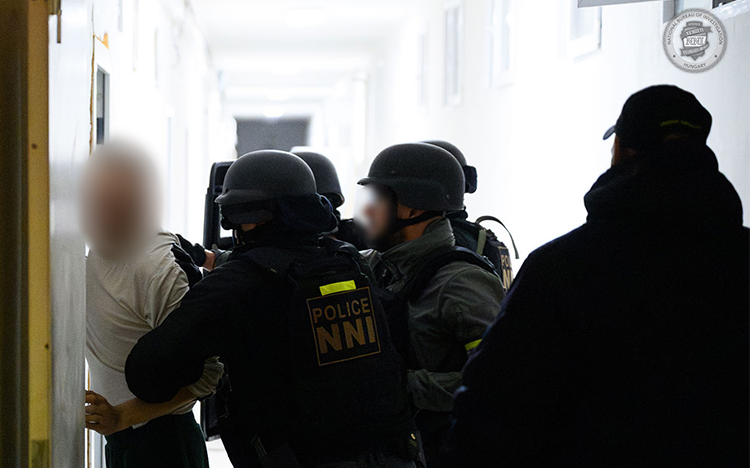
Details of the Arrest
The National Bureau of Investigation announced that the suspect was taken into custody on suspicion of illegal use of human bodies. According to their statement, during a search of his premises, authorities uncovered a range of body parts that included "prepared human face, facial skin, bones stored in a suitcase, a complete lower leg, brain, hand, head, skulls and a heart from a jar." Police noted that the origin of one body part remains under investigation to determine if it is human or animal. All seized remains will undergo forensic examination.
During interrogation, the man reportedly admitted to being "particularly attracted to human body parts, from which he had prepared food for himself and consumed them in various ways." Police further indicated that he is "passionate about anatomy and pathology, and likes to dissect animals." Investigators suspect he obtained the body parts through his work at a hospital and by digging up bodies from abandoned cemeteries in both Slovakia and Hungary.
Broader Context and Similar Cases
This arrest is not an isolated incident. In January, a Pennsylvania man named Jonathan Gerlach, 34, was arrested and faces over 500 charges for allegedly stealing human skulls and numerous skeletal remains from Mount Moriah Cemetery, an abandoned burial ground on Philadelphia's outskirts. Police discovered bones and skulls in his car during a burglary investigation. A search of his home and storage unit revealed more than 100 human skulls, long bones, mummified hands and feet, two decomposing torsos, and other skeletal items. Delaware County District Attorney Tanner Rouse described the scene as "a horror movie come to life," adding that it was "truly, in the most literal sense of the word, horrific."

Gerlach is accused of breaking into mausoleums and underground vaults at the cemetery, which was established in 1855. He faces multiple charges, including abuse of a corpse, receiving stolen property, desecrating a public monument, desecrating a historic burial place, burglary, trespassing, and theft.
Legal and Ethical Implications
The illegal use of human bodies is a serious crime in many jurisdictions, carrying severe penalties. In Hungary, the suspect is being held on suspicion of illegal use of human bodies, which could lead to significant prison time if convicted. Beyond the legal consequences, such actions raise profound ethical questions about the respect owed to the deceased and the sanctity of burial sites. These cases also highlight the need for stricter security measures at cemeteries, particularly those that are abandoned or poorly maintained.
Conclusion
The arrest in Hungary serves as a stark reminder of the potential for grave wrongdoing in even the most sacred spaces. As forensic experts examine the seized remains and legal proceedings unfold, the case continues to capture public attention. It also prompts a broader discussion about how societies can better protect burial sites and ensure that the deceased are treated with dignity. For now, the suspect remains in custody, and authorities in both Hungary and other countries remain vigilant against similar crimes.