Read on the Guardian
Global Framework for Reparatory Justice Adopted at Accra Conference
A global framework for reparatory justice has been adopted at a landmark conference in Accra, Ghana, where African and Caribbean leaders demanded formal apologies and compensation from countries that benefited from the transatlantic slave trade. The 19-point framework includes calls for unconditional apologies, debt relief, and the return of cultural heritage. This article explores the key outcomes of the conference, the establishment of global panels, and the significance of the UN resolution recognizing the trade as the gravest crime against humanity.
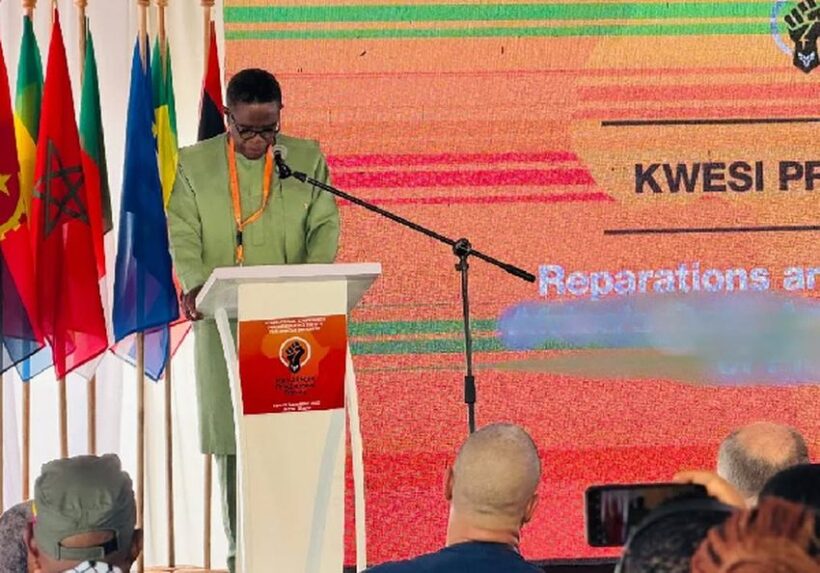
The movement for reparatory justice reached a historic milestone with the adoption of a global framework at a conference in Accra, Ghana. African and Caribbean leaders, heads of state, and officials from over 80 countries convened to demand formal apologies and compensation from nations that profited from the transatlantic slave trade. The three-day event, titled 'Next Steps,' culminated in a 19-point document that outlines a comprehensive strategy for reparatory justice, marking a significant step in addressing centuries of historical injustice.
The 19-Point Global Framework for Reparatory Justice
The adopted framework is a detailed plan that calls for "all state and non-state institutions yet to do so" to "offer full, formal and unconditional apologies as a foundational step towards reconciliation, trust-building and reparatory justice." This demand for acknowledgment is seen as a critical precursor to any material compensation. The framework also emphasizes the need for fair and adequate compensation for Africans and people of African descent who continue to suffer from the legacies of enslavement, colonialism, genocide, and apartheid.
Furthermore, the document addresses the return of cultural property, human remains, archives, and heritage to their countries of origin. This restitution is framed as an essential component of repairing historical wrongs. Additionally, the framework calls for multilateral measures to tackle sovereign debt burdens, including debt relief, to mitigate the lasting socioeconomic impacts of these historical injustices. The participants affirmed their commitment to "engaging in transparent, constructive and good faith dialogue in advancing reparations and reparatory justice among all state and non-state actors."
Establishment of Global Panels on Reparatory Justice
Ghana's President, John Mahama, announced the creation of three global panels to drive the implementation of the framework. These include an advisory panel on reparatory justice, an expert panel on the restitution of cultural artefacts, and a legal panel on reparatory justice. Mahama explained that these panels are designed to provide "intellectual, technical and policy support as the international community advances from recognition to implementation." The advisory panel comprises leaders from countries with historic ties to the transatlantic slave trade, including Mahama, Prime Minister Mia Mottley of Barbados, and presidents from Liberia, Namibia, and Senegal.
The establishment of these panels represents a shift from dialogue to concrete action. They will work to coordinate efforts across continents, ensure that the momentum from the conference is sustained, and develop legal and policy mechanisms for advancing reparatory justice. The panels are also expected to build on existing initiatives, such as the Caribbean Community's (Caricom's) 10-point reparation plan, which President Mahama noted would serve as an important starting point.
The UN Resolution and Its Significance
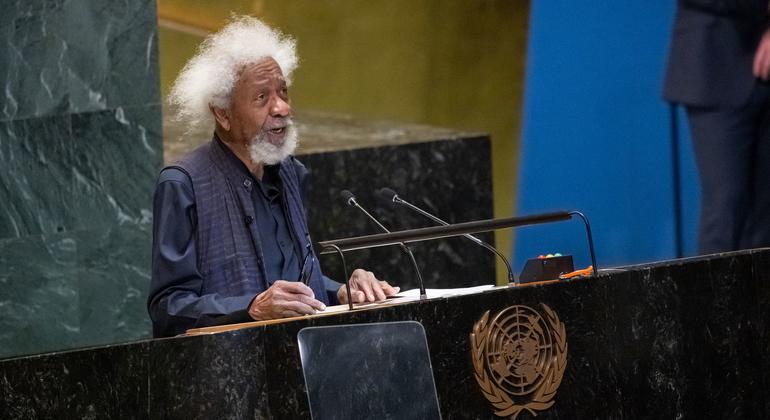
The conference came nearly three months after the United Nations General Assembly adopted a landmark resolution, proposed by Ghana on behalf of African Union member states, recognizing the trafficking of enslaved Africans and racialized chattel enslavement as the gravest crime against humanity. This resolution provides a powerful legal and moral foundation for the reparatory justice movement. It calls for UN member states to engage in "inclusive, good-faith dialogue" on reparatory justice and to facilitate the "prompt and unhindered" restitution of properties.
In his keynote address, Mahama described the resolution as a turning point, providing the foundation for "more meaningful" engagement and action. The resolution transforms the conversation from one of moral appeal to one of international legal and political obligation, compelling nations to confront their historical roles and consider reparative measures. The Accra conference aimed to build on this momentum, translating the resolution's principles into a concrete, actionable global framework.
Voices from the Conference: Leaders on Repair and Unity
Speaking virtually from Paris, French President Emmanuel Macron acknowledged the gravity of the historical crime, stating that enslaved people "were torn from their homelands, deported, dehumanised, and treated as goods." He urged that reparations should not be seen as an endpoint but as part of an ongoing process. Prime Minister Mia Mottley of Barbados announced a revision of Caricom's 10-point plan to address the disproportionate impact of slavery on girls and women, and she called for a unified global effort, stating, "Let us not embark on separate journeys."
Liberian President Joseph Boakai Sr. emphasized that the UN resolution "opened a door" and cautioned against allowing the conference to become a footnote in history. He called for a "determined global effort to restore dignity, repair historical wrongs and build a future founded on equality." The conference also featured a Juneteenth celebration at Osu Castle, a former slave-trading fort, where attendees honored victims of the transatlantic slave trade, underscoring the deep historical roots of the movement.
Conclusion: A Turning Point for Global Justice
The adoption of the global framework for reparatory justice in Accra represents a significant advance in the long struggle for historical accountability. By combining demands for apologies, compensation, debt relief, and cultural restitution, the framework offers a comprehensive approach to healing and restoration. The establishment of expert panels and the momentum from the UN resolution signal a transition from advocacy to implementation. As leaders from Africa and the Caribbean continue to push for coordinated action, the world is being called to address one of history's greatest crimes with a response that is equally profound in its ambition for justice.