Preserving Time, Protecting Memories: Navigating Alzheimer's Disease
Alzheimer's disease is a progressive neurological condition that presents significant challenges for patients and their families. Early signs, such as short-term memory loss, difficulty with familiar tasks, and subtle mood changes, are often mistaken for normal aging, delaying crucial medical consultation. This article explores the importance of early detection, the role of advanced biomarker screenings, and emerging targeted immunotherapies that can slow disease progression. Understanding these elements is key to improving quality of life and managing long-term care. From recognizing initial symptoms to navigating diagnosis and treatment options, gain practical knowledge to help protect memories and preserve time.
Alzheimer's disease remains one of the most challenging conditions of our time, often progressive and deeply hidden. Early signs – such as losing short-term memory, struggling with familiar tasks, or undergoing subtle mood shifts – are frequently misunderstood as ordinary aging, which often delays critical clinical consultation. Recognizing these early indicators is the first step toward effective intervention and better long-term outcomes.
Understanding the Early Signs of Alzheimer's Disease
One of the most insidious aspects of Alzheimer's is that its earliest symptoms can be mistaken for typical age-related forgetfulness. However, clinicians emphasize that persistent and worsening short-term memory loss, especially forgetting recently learned information or important dates, is a key red flag. Patients may also experience difficulty completing once-familiar tasks, such as cooking a recipe or managing finances. Changes in mood, including increased anxiety, confusion, or withdrawal from social activities, are equally important to monitor. These symptoms often prompt families to seek medical advice, but delaying that consultation can allow the disease to progress further. According to neurologists, understanding the subtle boundaries of cognitive decline can lead to earlier diagnosis and a better quality of life.
The Importance of Early Diagnosis
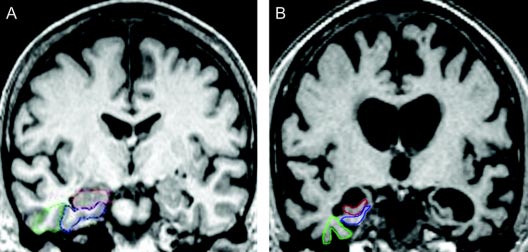
Diagnosing Alzheimer's early can mean accessing treatments that slow the disease's progression, preserving cognitive function for a longer period. Advanced biomarker screenings now allow doctors to detect pathological changes in the brain years before significant symptoms appear. These tests include imaging scans for amyloid plaques and tau tangles, as well as spinal fluid analysis. As noted by leading medical experts in a recent CGTN Health Talk episode, precision medicine empowered by these screenings is transforming the approach to Alzheimer's care. Early diagnosis not only opens the door to targeted therapies but also allows families to plan for future care needs, including legal, financial, and lifestyle adjustments.

Emerging Targeted Immunotherapies
While there is no cure for Alzheimer's, a new wave of targeted immunotherapies offers hope by directly addressing the underlying biology of the disease. These treatments work by clearing amyloid plaques from the brain, which are believed to contribute to neuronal damage. Clinical evidence cited by neurologists indicates that these targeted therapies can reduce disease progression by an estimated 27% to 35% over 18 months. This "stepping on the brakes" approach provides patients with additional months or even years of meaningful cognitive function. However, these treatments are most effective when started early, reinforcing the need for prompt diagnosis. Patients and caregivers should discuss with their healthcare providers whether these therapies are appropriate based on individual health profiles and stage of the disease.
Long-Term Care and Support Strategies
Managing Alzheimer's extends beyond medical treatments; comprehensive long-term care is essential for maintaining dignity and quality of life. Caregivers play a crucial role, often needing support to manage the emotional and physical demands of their responsibilities. Strategies for effective care include establishing a consistent daily routine, creating a safe home environment to prevent falls, and engaging patients in activities that stimulate memory and social interaction. Support groups and community resources can provide valuable assistance and reduce caregiver burnout. As the disease progresses, decisions about assisted living or specialized memory care facilities may become necessary. Early planning ensures that these transitions are handled smoothly, respecting the patient's preferences.

Conclusion
Alzheimer's disease is a formidable opponent, but early recognition of its signs can dramatically alter the trajectory of care. From distinguishing normal aging from pathological decline to leveraging advanced diagnostics and innovative immunotherapies, modern medicine provides powerful tools to slow progression and improve lives. Equally important is the commitment to compassionate long-term care that supports both patients and their families. By staying informed and proactive, individuals can take meaningful steps to preserve memories and protect their future. If you or a loved one are noticing concerning cognitive changes, seek a medical evaluation promptly—time is one resource we cannot afford to waste.