Read on PBS News
U.S. Temporarily Lifts Oil Sanctions on Iran as Vance Touts Progress in Talks
The United States has temporarily removed oil sanctions on Iran, paving the way for a potential economic windfall as the first round of nuclear negotiations concluded in Switzerland. Vice President J.D. Vance led the U.S. delegation in talks mediated by Qatar and Pakistan, outlining key achievements including mechanisms to keep the Strait of Hormuz open, coordination for a ceasefire between Israel and Hezbollah, and agreements on IAEA inspections. The move allows Iran to sell up to 68 million barrels of floating oil inventory valued at $8-9 billion. Meanwhile, the situation in Lebanon appeared to calm, though tensions remain high as both Israel and Hezbollah maintain firm positions. Treasury Secretary Scott Bessent announced the sanctions waiver as part of an interim agreement to end the ongoing conflict.
The United States temporarily removed oil sanctions on Iran on Monday, creating the potential for an Iranian economic windfall in U.S. dollars as the first round of nuclear talks concluded in Switzerland. Vice President J.D. Vance led the U.S. delegation, with negotiations mediated by Qatar and Pakistan. The talks come as one of the main sticking points, the conflict in Lebanon, appeared to calm, at least for the day.
President Donald Trump made a veiled threat to Iran, stating he would "do what I have to do" if Iran fails to adhere to the memorandum of understanding struck last week. However, he also expressed optimism, noting that "we're doing very well in terms of negotiating a fair and reasonable deal." The delicate balance between pressure and diplomacy characterizes the current U.S. approach to Iran's nuclear program.
Vance Outlines Key Achievements in Swiss Talks
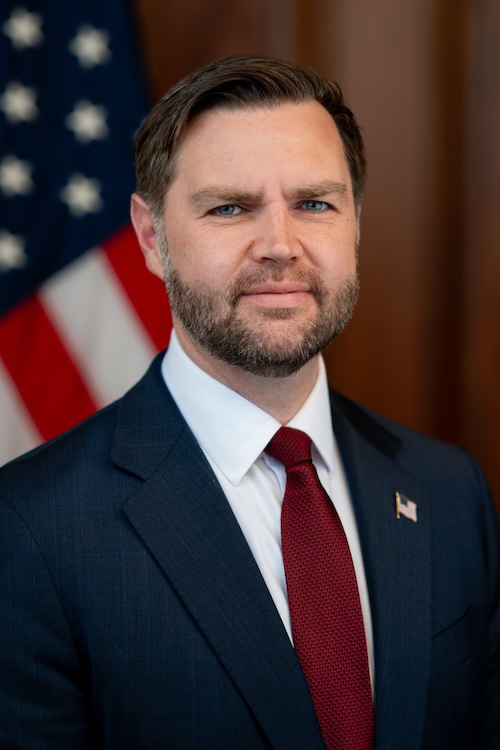
Vice President J.D. Vance reported progress in the talks, laying out four core accomplishments for the American people. These include establishing a mechanism to keep the Strait of Hormuz open, coordinating a ceasefire between Israel and Hezbollah in Lebanon, setting a process for technical negotiations, and reaching an agreement on IAEA inspections of Iranian nuclear facilities. Vance emphasized that the U.S. delegation "did exactly what we wanted to do."

Iran's Foreign Ministry, however, denied that negotiations covered nuclear issues, stating they did not accept any new commitments. This divergence in public statements highlights the complex and cautious nature of the diplomatic process.
Sanctions Waiver and Economic Implications
Treasury Secretary Scott Bessent announced that his agency would waive sanctions on Iranian oil as part of an interim agreement to end the war. The license authorizes the production, delivery, and sale of Iranian oil through late August. Miad Maleki, a former top sanctions official at the Treasury Department and now a senior fellow at the Foundation for Defense of Democracies, called the authorization allowing Iran to receive payment in U.S. dollars a critical detail.
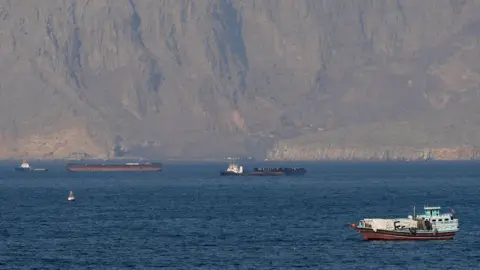
Maleki noted that Iran has approximately 67 to 68 million barrels of oil floating in international waters near China and Asia. At current prices, this floating inventory is valued at $8 billion to $9 billion, which now becomes available to buyers under the sanctions waiver. This economic windfall could significantly impact Iran's struggling economy and potentially influence its negotiating posture in future talks.
Calm in Lebanon Amid Ongoing Tensions
There was a notable calm in Lebanon on Monday, with no Israeli strikes reported overnight and into the day. However, this relative peace followed a bloody weekend of Israeli strikes. At a funeral for victims, the familiar chant "Death to Israel" was heard as family members mourned four of the at least two dozen people killed in an Israeli strike on Saturday, including five children.

Hours earlier, Israel and Hezbollah had agreed to a ceasefire, but Israel refused to leave its occupation of Southern Lebanon. Hezbollah Chief Naim Qassem adamantly stated, "Israel will not stay in Lebanon, and we will defend ourselves. Any violation, we will deal with as we see fit." Israeli Prime Minister Benjamin Netanyahu remained equally resolute, declaring that Israeli forces have "full freedom of action to thwart any direct or emerging threat."
Regional Reactions and Next Steps
Israeli residents expressed frustration over Israel's exclusion from the negotiations. Asher Aronof, a resident of Herzliya, Israel, lamented, "With the talks of the negotiations between Iran, the United States, Israel is out of the question. We are with hands tied behind our back." This sentiment underscores the complex regional dynamics and Israel's concern about being sidelined in talks that directly affect its security.
Meanwhile, at a natural gas export terminal in Qatar, officials reported a blast that killed at least 13 people, though there was no indication of a planned attack. Operations had just resumed after the area was struck by Iran earlier in the conflict. Secretary of State Marco Rubio is scheduled to travel to the Middle East tomorrow to discuss the memorandum, signaling continued U.S. engagement in the region.
Conclusion
The temporary lifting of oil sanctions on Iran represents a significant diplomatic move by the Trump administration, aimed at creating momentum for broader nuclear negotiations. While Vance touted progress and outlined concrete achievements, Iran's denial of nuclear discussions reveals the fragile nature of the emerging agreement. The economic implications are substantial, potentially unlocking billions of dollars for Iran while raising concerns among U.S. allies like Israel. As Secretary Rubio prepares for further Middle East diplomacy, the world watches to see whether this interim step will lead to a lasting resolution or simply a temporary pause in hostilities.