Read on bbc.com
Ukrainian Drone Attack in Tula Kills Three: A Renewed Escalation in the Russia-Ukraine Conflict
A Ukrainian drone attack on the Russian city of Tula, located south of Moscow, has resulted in the deaths of three people and injuries to three others, including a one-year-old child. This incident marks a significant escalation in the ongoing conflict, highlighting Ukraine's increasing capacity to strike deep inside Russian territory. The attack comes amid a broader wave of hostilities, including Russian strikes on Kyiv that killed 11 people and damaged a historic cathedral. This article examines the Tula attack, its implications for the course of the war, and its place within the cycle of retaliation that continues to drive the conflict.
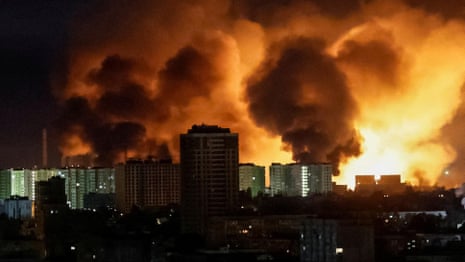
The ongoing conflict between Russia and Ukraine has seen a significant and tragic escalation with a Ukrainian drone attack on the Russian city of Tula, located approximately 180 kilometers south of Moscow. Local officials confirmed that the attack resulted in the deaths of three people and left three others wounded, including a one-year-old child. This incident not only represents a significant operational success for Ukraine but also underscores the expanding spatial dynamics of the war, bringing its devastating consequences directly to civilian areas within Russia itself.
Background of the Attack in Tula
The attack in Tula is part of a broader pattern of military exchanges. Simultaneously, Ukraine continued to face heavy Russian bombardment. The same night, Russian strikes hit the Ukrainian capital, Kyiv, and the northeastern city of Kharkiv, killing at least 11 people and damaging the historic Dormition Cathedral, part of the UNESCO-listed Kyiv-Pechersk Lavra complex. President Volodymyr Zelensky condemned the Russian attacks as "one of the biggest Russian crimes against Christian culture today," while Russia denied striking the cathedral, claiming a US-manufactured Patriot missile may have caused the damage. The Ukrainian leader stated that Russia launched 70 missiles and 611 drones in the overnight assault.
Immediate Aftermath and Casualties
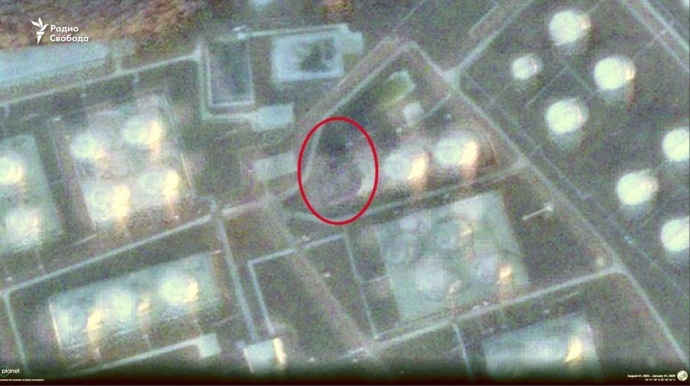
According to local Russian officials, the Tula drone strike targeted buildings and vehicles, setting them ablaze. The specific targets in the city are unclear, but the human toll is undeniable with three dead and three wounded, including a child. In a parallel development, rescue workers in Kharkiv, Ukraine, also experienced tragedy, with five fatalities among those trying to extinguish fires caused by a Russian strike. These incidents highlight the indiscriminate nature of the conflict, where civilians and emergency responders alike are at risk.
Geopolitical and Military Implications
The Tula attack has several layers of significance. First, it demonstrates Ukraine's evolving drone capabilities, allowing it to strike targets hundreds of kilometers within Russian borders, challenging the narrative of a conflict confined to Ukrainian territory. This holds potential psychological and strategic impacts on the Russian public and military. Second, it reflects a cycle of retaliation; the Ukrainian drone attack appears to be a direct response to the intense Russian missile and drone barrage against Ukrainian cities. As President Zelensky noted, such strikes are an attempt to pressure the aggressor and garner more Western support, specifically for advanced air defense systems like anti-ballistic missiles.
According to reports on BBC News, the wider attack damaged over 140,000 homes in Kyiv, leaving much of the city without electricity. The international community has reacted strongly. EU foreign policy chief Kaja Kallas labeled the Russian attacks on the cathedral and civilians as "war crimes." This Tula incident may further influence discussions at the upcoming G7 meeting in France, where the war in Ukraine is at the top of the agenda.
Conclusion
The Ukrainian drone attack in Tula that killed three people is a stark reminder that the war in Ukraine is not a contained conflict but one that carries risks of further escalation and reciprocal violence. While Ukraine demonstrates its capacity to strike deep into Russia, the primary consequence remains the tragic loss of civilian life on both sides. As both nations continue to develop their tactics and weaponry, the cycle of attack and retaliation appears set to continue, making diplomatic resolutions more urgent yet seemingly more distant. This event underscores the desperate need for a de-escalation that protects innocent lives regardless of which side of the border they reside.