Read on France 24
Iran and Oman Review Maritime Service Fees for Strait of Hormuz Administration
Iran and Oman have agreed to form a joint working group to evaluate potential maritime service fees in the Strait of Hormuz, a strategic waterway for global energy transit. Despite US opposition, the two nations assert their sovereign rights and aim to discuss the future administration of navigation, costs, and services according to international standards. This development follows a recent US-Iran memorandum of understanding that lifted an Iranian blockade, with Oman maintaining its commitment to toll-free safe passage.
The Strait of Hormuz, a vital conduit for roughly 20 percent of the world's crude oil and liquefied natural gas, is once again at the center of international maritime discourse. Iran and Oman announced on Tuesday that they will jointly study potential charges for what they describe as 'maritime service fees' in the strait, moving forward with discussions that have drawn strong opposition from the United States. The two countries have established a joint working group to examine the costs associated with administering the waterway, framing their actions as an exercise of sovereign rights over their territorial waters.
Joint Working Group to Assess Service Costs
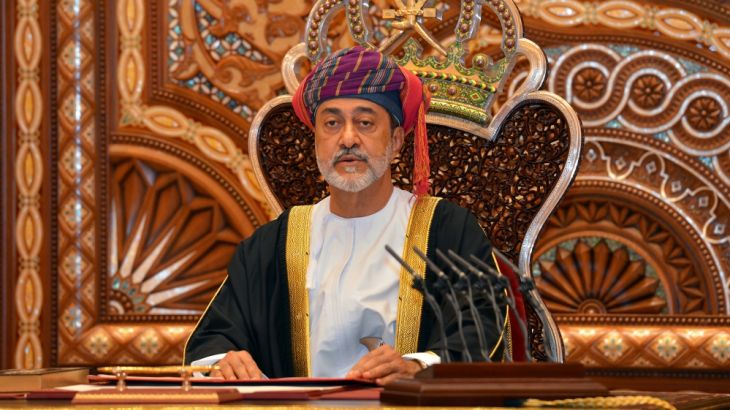
In a joint statement, Iran and Oman emphasized their 'sovereign rights over their territorial waters' but also noted their commitment to maintaining dialogue through a bilateral working group. This group, composed of officials from both foreign ministries, is tasked with reaching an agreement on the 'future administration of navigation in the Strait of Hormuz and the services that will be provided in this regard and the costs associated with them in accordance with international standards.' The announcement came after high-level meetings in Muscat between Iranian Foreign Minister Abbas Araghchi, chief negotiator Mohammad Bagher Ghalibaf, Omani Sultan Haitham bin Tariq, and Foreign Minister Badr Albusaidi.
Distinction Between Service Fees and Tolls
Tehran has consistently differentiated between what it calls 'maritime service fees' and 'tolls,' a nuance that is central to the ongoing diplomatic friction. Iranian officials have stated that the fees are intended to cover the costs of services provided in the strait, such as navigation assistance, security, and environmental protection. Ghalibaf has indicated that these charges will come into effect after a 60-day period without fees, as stipulated in a recent memorandum of understanding (MOU) signed with the United States. The MOU specifically provides for discussions between Iran, Oman, and other Gulf countries on the 'future administration and maritime services' of the waterway.

US Opposition and Omani Reassurances
The United States has been vocal in its opposition to any form of toll or fee system in the Strait of Hormuz. President Donald Trump has threatened severe consequences, including military action, if Oman collaborates with Iran on such a system. US Treasury Secretary Scott Bessent has also warned of potential sanctions against Muscat for participating in a tolling arrangement. In response, Omani Foreign Minister Badr Albusaidi reiterated on X (formerly Twitter) that Oman is committed to 'international law and toll-free safe passage,' seeking to reassure the international community. This stance highlights the delicate balancing act Oman must perform between its relationship with Iran and its ties with the US.
Context of the Iranian Blockade and MOU
The current discussions follow a period of heightened tension in which Iran briefly closed the strait after coming under fire from the United States and Israel. That blockade was lifted as part of the MOU signed with the US last week. The MOU not only facilitated the reopening of the waterway but also established a framework for future negotiations on its administration, including the potential for service fees. This agreement has temporarily de-escalated a situation that threatened global energy markets, but the underlying disagreements over sovereignty and pricing remain unresolved.

Looking Ahead: Diplomatic and Economic Implications
The establishment of the joint working group represents a formal step toward what could become a significant shift in the governance of the Strait of Hormuz. While Oman has publicly reaffirmed its commitment to free passage, the ongoing dialogue with Iran suggests that some form of cost recovery or service fee might eventually be considered. The outcome of these discussions will have profound implications for global energy security, shipping costs, and the broader geopolitical landscape in the Middle East. Both nations will need to navigate international legal frameworks, regional rivalries, and the firm stance of the United States as they proceed with their ambitious plans.