Read on bbc.com
MSF Admits Staff Abused Sudanese Refugees in Sex-for-Food Scandal
Medical charity Doctors Without Borders (MSF) has admitted that some staff members and external contractors were the subjects of 59 allegations of misconduct, including sexual harassment, exploitation, and abuse, in relation to Sudanese refugees who had fled the civil war. The offences occurred in eastern Chad in 2024. MSF has sacked 18 culprits but could not verify all allegations. Victims feared speaking out because they worried access to vital aid would be cut off. This breach of trust highlights critical failures in humanitarian accountability.
Medical charity Doctors Without Borders (MSF) has admitted that some of its staff members and external contractors were the subjects of 59 allegations of misconduct, including sexual harassment, exploitation, and abuse, targeting Sudanese refugees who had fled the civil war. The offenses occurred in eastern Chad in 2024, about a year into Sudan's ongoing conflict. Young girls were reportedly exploited, with food or jobs often offered in exchange for sex. However, an MSF investigation could not verify all 59 allegations.
According to internal reports, some victims chose not to speak out about the abuse because they feared staff would cut off access to aid in retaliation. Those who did report the misconduct sometimes received no reply or support, and official complaints procedures were mostly ineffective. MSF acknowledged this in its own report, stating, "This misconduct represents a serious breach of MSF's values and responsibilities, and we deeply regret the harm caused."
MSF has sacked 18 culprits but told the Associated Press it was unable to identify some of the other alleged perpetrators. The organization also found patterns of exploitation that might amount to "sexual trafficking," as suggested in its July internal report. Sudan's civil war, now in its third year, has caused the world's worst humanitarian crisis, with over 11 million people displaced and 28 million facing acute hunger. Mass sexual violence has been widely documented as a weapon of war in this conflict.
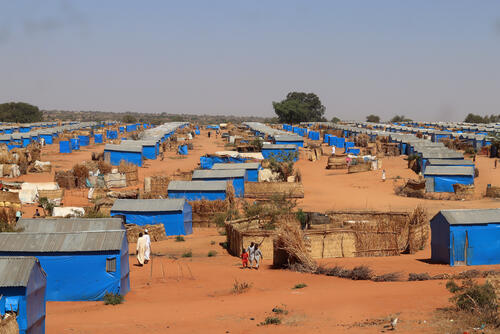
This scandal is part of a broader pattern, as humanitarian workers in multiple countries have been accused of sexual exploitation in recent years despite promises to end such abuses. The breach of trust in this case underscores the critical need for stronger accountability mechanisms to protect vulnerable populations relying on aid.