Read on the Guardian
Sri Lanka Emerges as a New Hub for Transnational Cybercrime After Southeast Asia Crackdown
A crackdown on scam compounds in Southeast Asia has pushed Chinese-run criminal networks to relocate to Sri Lanka, where experts are now warning of an alarming increase in cybercrime. The island nation's easy tourist visa policies, limited regulation on SIM cards and internet connections, and low-cost rental spaces have made it a favored destination for these sophisticated operations. Police have conducted numerous raids since early 2026, arresting and deporting hundreds of foreign nationals, primarily Chinese citizens. The scam networks, which run fraud schemes targeting victims worldwide, are highly mobile and adaptable, continuously evolving their methods to avoid detection. This development poses a significant challenge for Sri Lankan authorities with limited resources to combat transnational cybercrime.
Sri Lanka is experiencing a dramatic surge in transnational cybercrime as sophisticated Chinese-run criminal networks relocate their operations from Southeast Asia following an intense crackdown. Experts warn that the island nation's permissive visa policies, loose regulations on telecommunications, and abundant low-cost rental spaces have created an ideal environment for these illegal enterprises. Sri Lankan police spokesperson Fredrick Wootler confirmed the country is witnessing an "alarming increase of cybercrimes" perpetrated by individuals entering as tourists before establishing scam operations targeting victims globally.
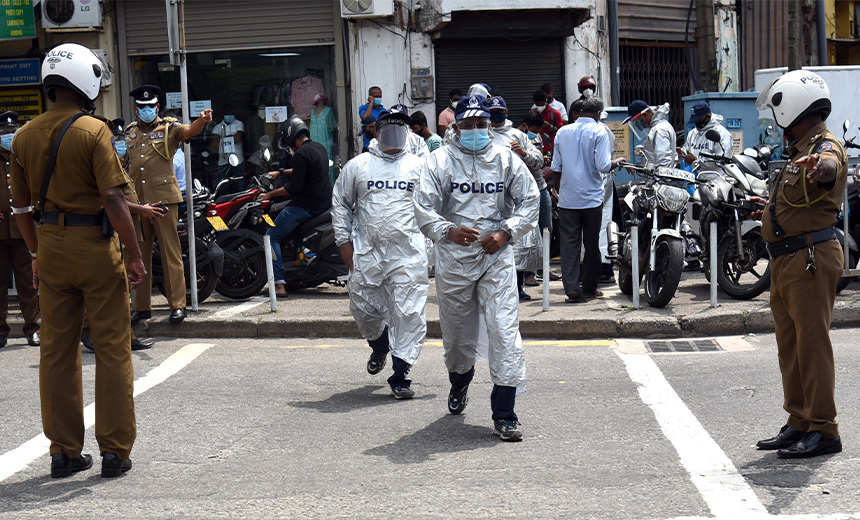
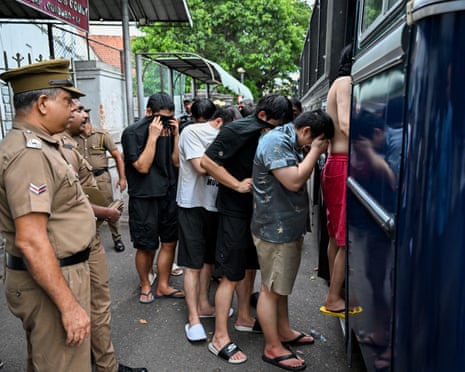
Since the beginning of the year, authorities have executed more than a dozen raids on suspected scam operations, arresting and deporting nearly 700 foreign nationals. The most recent raid in Colombo resulted in the detention of 18 Chinese citizens and one individual from Laos. At the scene, police uncovered a sophisticated operation complete with falsified documents, including fake US Treasury documents, fraudulent company registrations claiming a $10 billion valuation, and 62 passports predominantly belonging to Chinese nationals.
The Mechanics of the Scam Operations
The transnational cybercrime industry, which flourished in Southeast Asia over the past decade, has become one of the largest organized crime enterprises globally. These networks are predominantly run by Chinese gangs and staffed by hundreds of thousands of workers, many of whom are trafficked or coerced into participating. The operations range from romance scams and cryptocurrency fraud to online gambling and money laundering on a global scale. According to cybercrime researcher Mark Bo, author of Scam: Inside Southeast Asia's Cybercrime Compounds, he noticed a shift toward Sri Lanka beginning two years ago, as mentions of the country appeared on Telegram channels and in recruitment drives.

Why Sri Lanka Became a Target
Sri Lanka's attractiveness to criminal networks stems from several factors. The ease of obtaining tourist visas, coupled with the newly introduced digital nomad visas, provides a legal entry point for operatives. Limited regulation on SIM cards and internet connections allows these groups to operate with minimal oversight. The country's existing Chinese presence in infrastructure and business makes Chinese visitors appear unremarkable, while relaxed rules around online gambling and gaming further facilitate illicit activities. Additionally, local authorities have limited mechanisms to prosecute cybercrime, typically opting to deport offenders rather than pursue legal action.
Businessmen in Colombo have reported that office rents have more than doubled in some complexes due to the surge in demand and high prices paid by incoming Chinese groups. Rather than establishing visible compounds, these operations avoid detection by working in small teams of five individuals who rotate through different hotels, apartments, and offices every three months. One police officer noted that recent operations they had busted were clearly backed by substantial financial resources, with a single incident involving eight floors of an apartment building being rented out for scam activities.
The Challenge of Adaptation
The mobility of these criminal networks highlights the difficulty of controlling the industry. As Mark Bo explained, "There's clearly been some kind of transplanting of the exact same set-up there. It shows the challenge of controlling the industry because one of its defining characteristics is how mobile and how adaptable it can be." The Chinese embassy in Colombo has publicly acknowledged the involvement of its citizens in telephone fraud gangs and expressed support for Sri Lankan law enforcement efforts to crack down on these operations.
The situation in Sri Lanka underscores the global nature of modern cybercrime and the need for coordinated international responses. As crackdowns in one region push criminal networks to relocate, authorities worldwide must remain vigilant and adapt their strategies to address this constantly evolving threat. For Sri Lanka, the challenge lies in strengthening its regulatory frameworks, enhancing law enforcement capabilities, and fostering international cooperation to prevent the country from becoming a permanent safe haven for transnational cybercriminals.