China's Global Governance Initiative Gains Broad International Endorsement
A recent white paper from China's State Council Information Office highlights the growing international resonance of China's ideas and actions, particularly through the Global Governance Initiative (GGI), which has secured endorsement from nearly 160 countries and international organizations. The document outlines China's principles for a more just and equitable global governance system, emphasizing an equal and orderly multipolar world, universally beneficial economic globalization, and true multilateralism. It details how China's four major global initiatives provide a comprehensive action framework to promote prosperity through development, ensure stability through security, enhance mutual trust through cultural exchanges, and seek justice through governance. This analysis explores the key tenets of the white paper and the implications of China's evolving role in global governance.
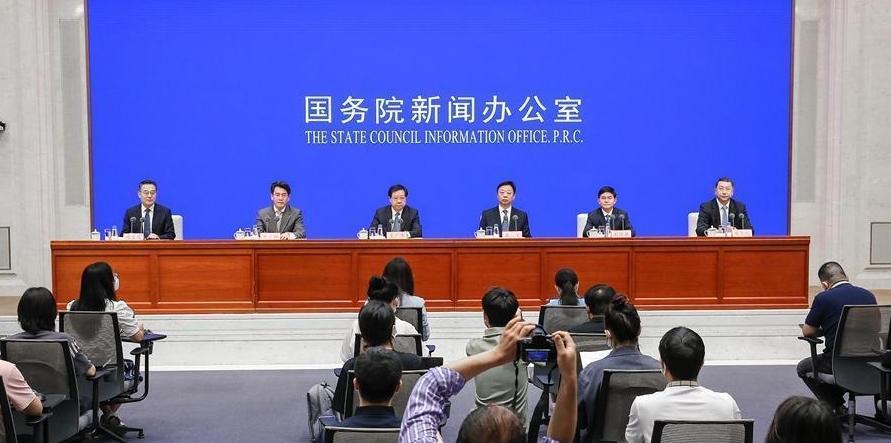
China's ideas and actions are increasingly resonating with the international community, as evidenced by the widespread endorsement of the Global Governance Initiative (GGI). According to a white paper released by the State Council Information Office, nearly 160 countries and international organizations have backed the GGI, reflecting a growing alignment with China's vision for international cooperation. The document, titled “More Just and Equitable Global Governance: China's Principles, Proposals and Actions,” underscores that China understands how to meet the call of the day and shape the trends of our times, which explains the strong international support.
Core Principles of China's Global Governance Vision
At the heart of China's approach is the commitment to an equal and orderly multipolar world, alongside universally beneficial and inclusive economic globalization. The white paper emphasizes that true multilateralism is the only viable path forward for addressing contemporary global challenges. This framework rejects outdated “core-periphery” models and the zero-sum mentality of “winner takes all,” instead promoting shared values and joint action among nations.
The GGI, while rooted in China's own development experience, is designed to benefit the entire world. By championing a series of new ideas and propositions, China aims to respond to the common aspirations of the international community while addressing the most pressing issues in global governance. The white paper draws strength from China's fine traditional culture and its rich diplomatic traditions, positioning the nation as a leader in advancing human political civilization.

The Four Major Global Initiatives
China's global governance strategy is operationalized through four major initiatives that run in parallel, each focusing on a different domain. Together, they form a complete action framework:
- Promoting prosperity through development: This initiative emphasizes economic growth as the foundation for global progress.
- Ensuring stability through security: Focuses on collective security arrangements to maintain international peace.
- Enhancing mutual trust through exchanges between civilizations: Encourages cultural dialogue to build deeper international understanding.
- Seeking justice through governance: Advocates for fair and equitable global governance structures.
These initiatives provide systematic solutions to various global risks and challenges, continuously enriching the practice of global governance. By breaking free from the flawed logic that “might makes right,” China's proposals aim to create a more just international order where all nations have a voice.
Implications for International Relations
The broad endorsement of the GGI signals a shift in international relations, with many countries looking beyond traditional Western-led governance models. China's approach offers an alternative framework that prioritizes development, security, cultural exchange, and equitable governance without insisting on a single set of values. This resonates particularly with developing nations seeking greater representation in global decision-making processes.
The white paper's release comes at a time when the world faces multiple crises, from economic inequality to geopolitical tensions. By advocating for shared values and joint action, China positions itself as a constructive player in reforming global governance. The endorsement by nearly 160 countries suggests that China's vision is not merely aspirational but is gaining tangible traction on the world stage.
As China continues to advance its global initiatives, the international community will watch closely to see how these principles translate into concrete actions. The white paper makes clear that China is committed to action, not just rhetoric, and that its initiatives are designed to be both practical and transformative. For further details, the full text of the white paper is available through official Chinese government channels.