Read on PBS News
Tragic Missouri Plane Crash Claims Lives of Experienced Skydivers
A devastating plane crash in Butler, Missouri, killed all 12 people on board, including a prominent skydiving instructor and experienced jumpers. The incident has renewed focus on skydiving safety oversight.
A tragic skydiving accident in Butler, Missouri, has claimed the lives of 12 people, including a pilot and 11 passengers, underscoring the inherent risks of the sport and prompting renewed discussions about safety regulations. The plane crashed shortly after takeoff on Sunday, leaving no survivors and grieving a tight-knit community.
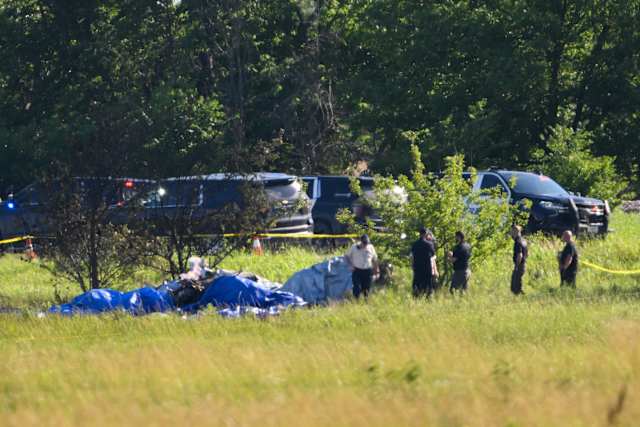
According to authorities, the single-engine turboprop plane, a Pacific Aerospace 750XL operated by Skydive Kansas City, went down moments after departing from Butler Memorial Airport. Witnesses described the aircraft making an abrupt left turn at a low altitude before crashing nose-first into a field and bursting into flames. The National Transportation Safety Board (NTSB) has launched an investigation into the cause, though preliminary reports suggest weather was not a factor.
Victims and Community Impact
The victims included a mix of experienced skydivers and the pilot. Among the deceased was Jen Sharp, the technology director for the United States Parachute Association (USPA). Sharp was described by colleagues as a "remarkable force" who had made nearly 6,800 jumps since 1989 and was a leading figure in the sport, having jumped into Denver's Coors Field and participated in the Everest Skydive. Fellow skydiver Kevin Payne, who knew seven of those on board, reflected on their shared passion, calling them a "sky family" united by the joy of flight.
The crash occurred in front of some family members who were at the airport to watch the jump. Bates County Sheriff Chad Anderson confirmed their presence, adding to the profound emotional toll of the event. Skydive Kansas City expressed shock and grief, extending condolences to all affected.
Safety Oversight Concerns
This tragedy has reignited scrutiny of the Federal Aviation Administration's (FAA) oversight of skydiving operations. The NTSB has previously recommended stronger maintenance guidelines, pilot training, and aircraft inspections for skydiving flights, citing a lack of robust regulation. In a 2019 crash in Hawaii that also killed 11 people, the NTSB noted that the FAA's regulatory system was insufficient. Despite these warnings, the FAA has only recently formed a committee to address safety improvements. NTSB Vice Chairman Michael Graham expressed frustration, stating, "It's always frustrating when we see things the FAA hasn't acted on. And then we continue to see accidents."
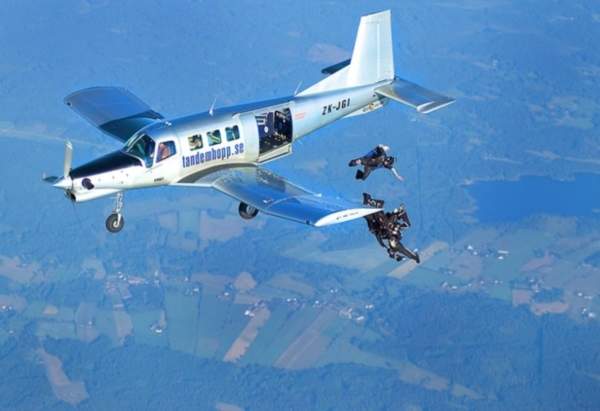
Skydiving businesses, including Skydive Kansas City, operate under general aviation rules that require adherence to manufacturer maintenance schedules. The USPA asserts that its members follow stringent safety standards, and the industry notes a strong safety record, with only 16 civilian fatalities out of nearly 3.5 million jumps last year. However, the recent crash highlights the ongoing risks and the need for continued vigilance.
As the NTSB continues its investigation, the skydiving community mourns the loss of its members. The incident serves as a somber reminder of the fine line between the freedom of flight and the unforgiving nature of gravity, with the hope that future safety measures can prevent such a tragedy from recurring.