Read on PBS News
Israel's Dilemma: Caught Between Trump's Iran Deal and Persistent Conflict
President Trump's announcement of an initial peace agreement between the U.S. and Iran has sparked widespread debate in Israel, where citizens and officials express deep skepticism. The deal, which appears to include a ceasefire in Israeli strikes, has left many Israelis feeling caught between a flawed agreement and ongoing military engagements with Hezbollah and Iran. This article explores the complex reactions from Israeli citizens, political leaders, and analysts, highlighting the concerns over the deal's longevity, its failure to address Israel's core security issues, and the continued fighting on multiple fronts.
The recent announcement by President Trump that the United States and Iran have reached an initial agreement to end the ongoing war has sent shockwaves through Israel. While the deal purports to take the first steps toward peace, it has been met with widespread dismay and skepticism among Israeli citizens and top officials alike. As detailed in a recent PBS NewsHour report, many Israelis feel they are caught in the middle of a bad deal and constant fighting, with no clear resolution in sight.
A Deal Perceived as Flawed
From the outset, the framework agreement between the U.S. and Iran has lacked clarity regarding its specific terms, leaving Israelis to form opinions based on limited information. This uncertainty has bred a deep sense of mistrust. Yael Alon, an Israeli citizen interviewed by PBS, expressed a common sentiment: "I'm not very happy about it. I think it will last maybe two years until Trump is ending his term, and then we will go back to the same thing." This quote highlights a prevailing fear that the deal is temporary and does not address the root causes of the conflict.

Core Israeli Concerns Unresolved
A fundamental issue for Israel is that the agreement does little to mitigate the threats posed by Iran's nuclear and missile programs. Guy Bar Natan, another Israeli citizen, voiced a starkly critical view, stating that the deal serves only "American interests" and that, for Israel's national security, it is "the worst, worst agreement that could ever be done." This sentiment reflects a broader anxiety that the deal prioritizes U.S. strategic goals while neglecting Israel's immediate security needs. The threat from Hezbollah, an Iranian-backed militant group, remains acute, with nearly 30 Israeli soldiers and four civilians killed in recent fighting.
Israeli Leadership's Defiant Stance
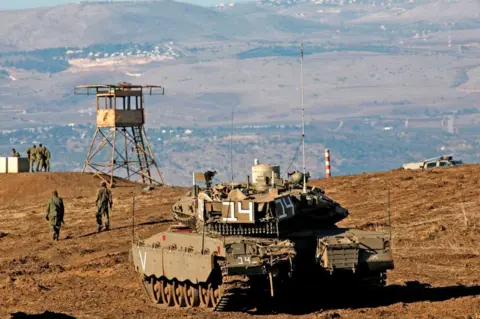
In response to the agreement, Israeli leaders have taken a firm public stance. Prime Minister Benjamin Netanyahu declared that regarding Lebanon, Israel has created a buffer zone and will remain there "as long as necessary." He emphasized that Iran wanted Israel to withdraw from the area, but due to his firm stance, "[t]hat did not happen." Defense Minister Israel Katz reinforced this position on X, stating that Israel will not withdraw from security zones in Lebanon and will retain the ability to act independently to prevent Iran from acquiring nuclear weapons. This defiance underscores a deep-seated belief that Israel must rely on its own military strength rather than negotiated compromises.

Ongoing Conflict on Multiple Fronts
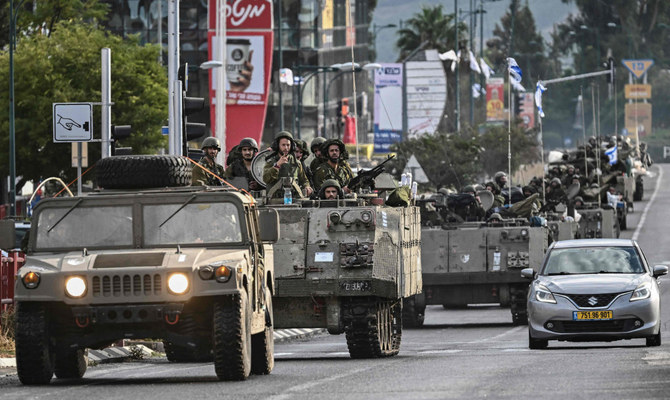
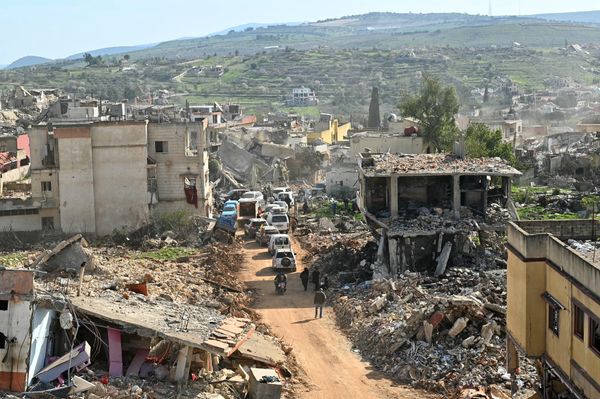
Despite the ceasefire implied in the U.S.-Iran agreement, violence persists. Iran recently launched a barrage of missiles toward Israel after the IDF attacked Hezbollah positions in Beirut. The IDF has made its deepest incursion into Lebanon in decades, destroying broad sections of the south and displacing over a million people. Former Israeli government spokesman Elon Levy characterized the situation starkly: "There is still fighting with Hezbollah, still fighting with Iran. Hamas still hasn't gone away." He argued that while the ballistic missile and nuclear threats have been reduced, the Iranian regime remains "on its feet, nursing its wounds, vowing revenge" and is still dangerous.
A Crisis of Leadership and Public Opinion
The prolonged military campaign is taking a toll on Prime Minister Netanyahu's political standing. With his promise of "total victory" appearing increasingly unattainable, public support has waned. A poll cited in the PBS report found that 61 percent of Israelis believe Netanyahu should not run in the next national elections. Despite this, the Prime Minister has announced he will run, signaling a divide between his ambitions and public sentiment. This political crisis is further complicated by the perception among some Israelis that Netanyahu is unduly influenced by President Trump, with residents of the border town Nahariya using terms like "Daddy Trump" to describe the relationship.
Living in a Cycle of Insecurity
For many Israelis, the reality is one of constant insecurity. In Northern Israel, the shriek of incoming rockets and the scramble to shelters have become almost mundane. The tourism industry in towns like Nahariya has suffered. Elon Levy warns against accepting this as the "new normal," stating that it is critical not to let the Iranian regime believe it can "call the shots." This perspective frames Israel's ongoing struggle as part of a larger, existential confrontation where, history suggests, the possibility of a just and lasting peace may remain just out of reach.