China and Myanmar Strengthen Bilateral Ties with 18 Cooperation Agreements
During a state visit to Beijing, Myanmar President Min Aung Hlaing and Chinese President Xi Jinping signed 18 cooperation deals covering free trade, disaster assistance, cross-border transport, and more. The agreements signal deepening ties between China and Myanmar's military-led government, which has faced international isolation since the 2021 coup. Both leaders emphasized brotherly friendship and pledged to combat cross-border crime, including online gambling and telecom fraud.
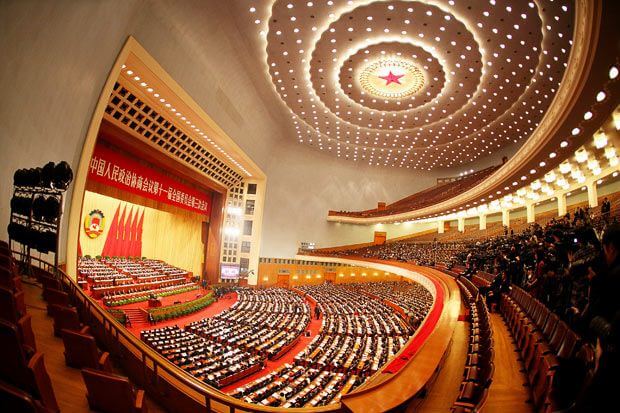
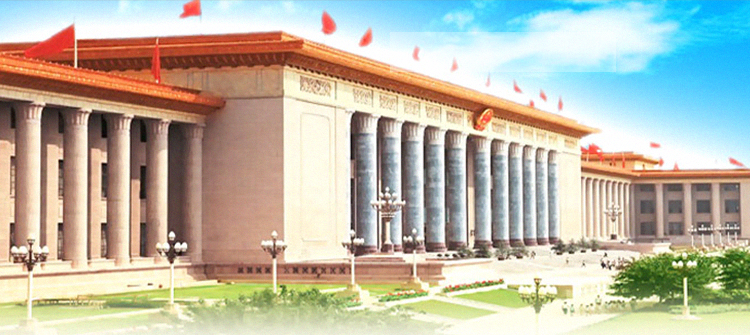
In a significant diplomatic event, Myanmar President Min Aung Hlaing met with Chinese President Xi Jinping in Beijing on Tuesday, resulting in the signing of 18 cooperation agreements between the two nations. The accords span multiple sectors including free trade, assistance during natural disasters, cross-border transportation within the Greater Mekong Subregion, health, and media cooperation. The meeting, held at the Great Hall of the People, underscores China's role as the staunchest international ally of Myanmar's military-led government, which has been largely isolated since the 2021 coup.
President Xi Jinping expressed support for the political leadership of Min Aung Hlaing, stating a desire to "carry forward the brotherly friendship between our two peoples and deepen comprehensive strategic cooperation," as reported by Chinese state broadcaster CCTV. Xi also emphasized China's backing for peace and reconciliation in Myanmar, urging all parties to achieve lasting stability, particularly in northern Myanmar. The Chinese leader pledged continued support for Myanmar's efforts to combat online gambling, telecom fraud, and drug trafficking, issues that have strained relations due to the proliferation of scam compounds in Southeast Asia.
Strategic and Economic Context
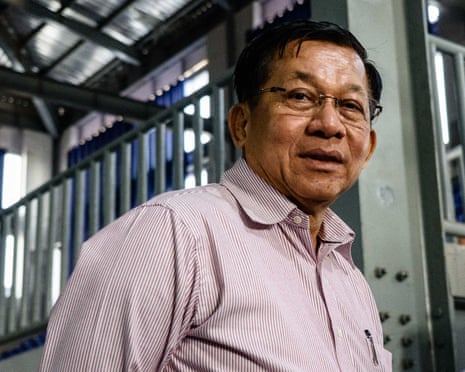
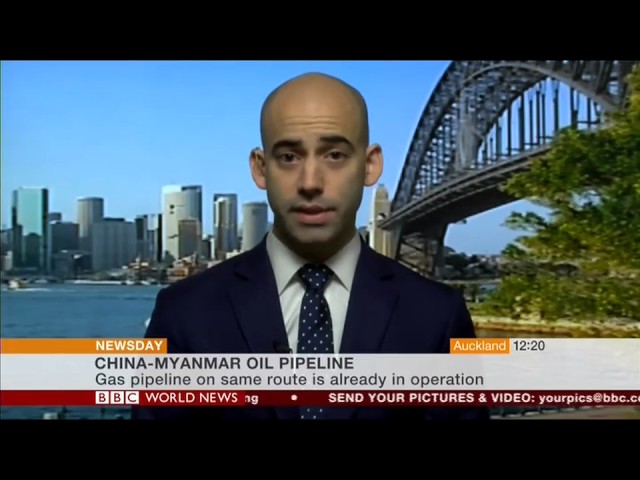
The meeting marks Min Aung Hlaing's second encounter with Xi in less than a year, following his attendance at the Shanghai Cooperation Organisation summit in Tianjin in August. Analysts suggest that the visit signals a closer alignment with Beijing and may bolster Myanmar's international standing. China's investments in Myanmar under the Belt and Road Initiative, including an oil and gas pipeline and a planned deep-sea port, remain central to bilateral economic ties, though many projects are located in active conflict zones and have faced threats since the coup.
"China supports all parties in Myanmar advancing peace and reconciliation through dialogue, achieving lasting stability in northern Myanmar." – President Xi Jinping, as quoted by Xinhua.
Cooperation Deals Signed
The 18 signed documents cover a broad spectrum of collaboration, including cross-border transportation in the Greater Mekong Subregion, free trade agreements, disaster relief protocols, health initiatives, and media partnerships. These agreements are expected to facilitate smoother trade flows and enhance mutual assistance during emergencies, reflecting the longstanding partnership between the two nations. The leaders held a closed-door meeting lasting less than an hour, followed by the formal signing ceremony.
Implications for Regional Dynamics
The strengthened ties between China and Myanmar come amid a complex regional landscape, where China has been expanding its influence while Western nations have imposed sanctions on Myanmar's military government. The cooperation on security issues, particularly the crackdown on cross-border crime, addresses a key concern for Beijing. As both nations move forward, the agreements signal a deepening of strategic cooperation that could reshape economic and political dynamics in Southeast Asia.
In conclusion, the state visit and the 18 signed agreements mark a pivotal moment in China-Myanmar relations, reinforcing a partnership built on mutual strategic interests and economic interdependence. The collaboration on trade, disaster response, and security sets a foundation for future engagement, even as international scrutiny of Myanmar's internal situation continues.