Read on bbc.com
The Iran Ceasefire Dilemma: Netanyahu's Political and Security Bind
The recent US-brokered ceasefire agreement between Donald Trump and Iran has placed Israeli Prime Minister Benjamin Netanyahu in a precarious position. This article analyzes the threefold challenge to Netanyahu's political career: his damaged relationship with Washington, the perceived strengthening of Iran, and the erosion of his 'Mr. Security' image ahead of a general election. With options limited to either confronting a key ally or surrendering Israeli interests, the agreement has created a complex political and security dilemma for Israel's leader, forcing a reassessment of national strategy.
The recent US-brokered ceasefire agreement between Washington and Tehran has sent shockwaves through Israeli politics, presenting Prime Minister Benjamin Netanyahu with one of the most complex challenges of his long career. The deal, which demands a cessation of Israeli military operations against Hezbollah in Lebanon, has shattered the three main pillars of Netanyahu's political identity: his influence in Washington, his hardline stance on Iran, and his carefully cultivated image as Israel's ultimate security guarantor. As Israel approaches a general election, the prime minister now faces a lose-lose scenario that could redefine the nation's strategic posture in the Middle East.

The Washington Connection Unravels
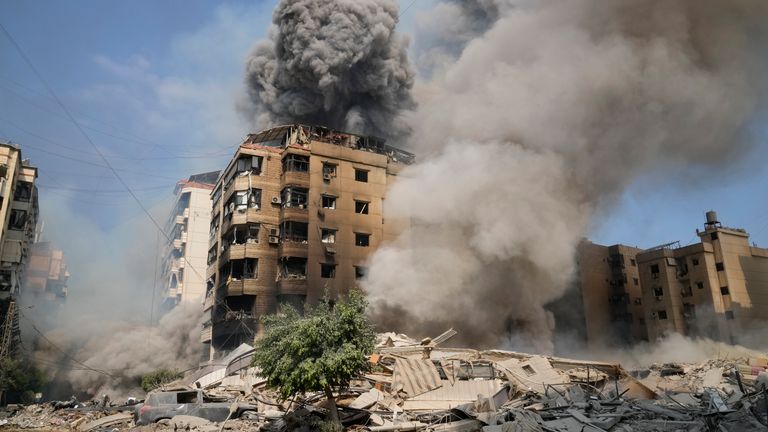
Netanyahu has long styled himself as a master of US-Israeli relations, boasting unparalleled influence over American politicians across the political spectrum. However, the ceasefire agreement has exposed a starkly different reality. During a recent press conference, US President Donald Trump publicly accused Netanyahu of showing "no judgement" when ordering a strike on Beirut, a remark immediately seized upon by political rivals and media commentators in Israel. The public insult from a key ally has not only damaged Netanyahu's reputation but has also undermined his ability to project strength on the international stage. According to Danny Citrinowicz, a senior Iran researcher at Israel's Institute for National Security Studies (INSS), any Israeli military move perceived as an attempt to sabotage the agreement would likely encounter a harsh response from Washington, leaving Netanyahu with fewer options than during the Obama administration when he could bypass the White House by mobilizing Congress and US public opinion.
Iran's Strategic Gains
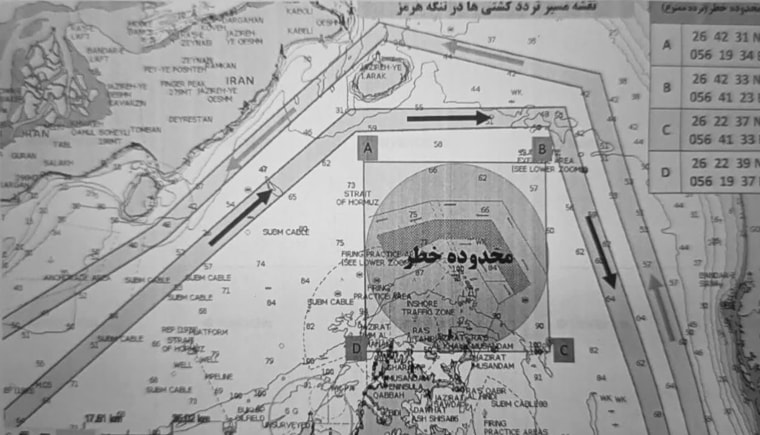
The second pillar of Netanyahu's career—his unwavering focus on countering Iran—has also been compromised. The ceasefire agreement arguably leaves Iran's regime in a stronger position, having secured a halt to Israeli operations in Lebanon without making significant concessions. Sima Shine, a former Mossad official and Iran specialist, noted that by allowing Iran to decide what will happen in Lebanon, the US gives Tehran the ability to continue supporting Hezbollah as a major political actor. This development directly contradicts Netanyahu's long-standing security policy of preempting threats rather than containing them, a shift he implemented after the devastating Hamas-led attacks on October 7, 2023. Now, with Iran holding greater leverage through the Strait of Hormuz and operating under more hardline leaders, Israel faces an adversary that appears to wield influence over its most critical ally.

The Erosion of 'Mr. Security'
Perhaps the most immediate challenge for Netanyahu is the damage to his political image. Security has been the cornerstone of his offering to voters for decades, but the current dilemma has made that message increasingly difficult to deliver. Opposition leader Yair Lapid summarized the prime minister's options as "either a direct and destructive confrontation with our greatest ally, or a submissive surrender of Israeli interests." Netanyahu's own coalition is fracturing, with far-right national security minister Itamar Ben-Gvir publicly rejecting the agreement and Likud lawmakers refusing to clarify whether Israel would continue its attacks. While Israeli forces remain popular for occupying areas of Gaza, Lebanon, and Syria, this strategy is stretching military resources and reservists to breaking point with no clear diplomatic pathway out. Netanyahu's new approach to security—shifting from containment to preemption—has eliminated neither Hamas nor Hezbollah, leaving Israel in a prolonged state of conflict that resembles the very containment strategy he sought to replace.
Navigating a Path Forward
During a press conference in Jerusalem, Netanyahu bristled at suggestions of failure, asserting that he has "devoted most of my adult life to one goal—preventing Iran from obtaining nuclear weapons." He insisted that Israel had created a buffer zone in Lebanon and would remain there as long as necessary, and that he stood firm on preserving operational freedom. However, his admission that there were cases where he and Trump saw things differently underscores the new reality. The options before Netanyahu are stark: either confront the US directly and risk a breakdown in the alliance, or accept a deal that appears to benefit Iran. Analysts at INSS recommend a renewed assessment of Israeli strategy toward Tehran, calling for "more realistic and restrained priorities." As Israel prepares for a general election before the end of October, the outcome of this dilemma will likely shape not only Netanyahu's political future but also the broader security landscape of the Middle East.
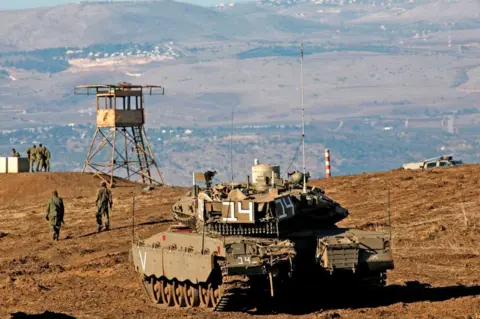
The Iran ceasefire deal has thus created a perfect storm for Netanyahu, forcing him to choose between two equally damaging paths. Whether he decides to confront Washington or accept the agreement, the political and security implications will be far-reaching, testing the resilience of Israel's alliance with the US and the effectiveness of its national security strategy in an increasingly volatile region.