Donald Trump's AI Image Controversy: A Modern Political Communication Challenge
Former President Donald Trump recently sparked controversy by posting and then deleting an AI-generated image of himself that many interpreted as depicting him as Jesus Christ. The incident occurred shortly after Trump criticized Pope Leo XIV over comments regarding U.S. actions against Iran. When questioned by reporters, Trump claimed he thought the image showed him as a doctor, not a religious figure. The backlash was swift and bipartisan, with many conservatives also denouncing the image as inappropriate and blasphemous. This event highlights the growing complexities of political communication in the digital age, especially with the rise of AI-generated content.
In a recent incident that highlights the increasingly blurred lines between political messaging, digital manipulation, and religious sentiment, former President Donald Trump posted and subsequently deleted an AI-generated image of himself on Truth Social. The image, which many observers believed depicted Trump as Jesus Christ, sparked immediate and widespread backlash. When pressed by reporters about the post, Trump offered a surprising explanation: "I did post it and I thought it was me as a doctor." The incident, reported by CGTN America, underscores the challenges public figures face in navigating the modern media landscape, particularly with the rapid proliferation of AI-generated content.
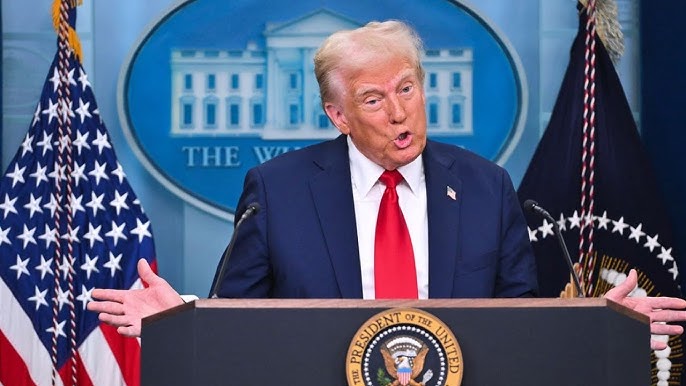
The controversy did not occur in a vacuum. It came shortly after Trump publicly criticized Pope Leo XIV over comments the Pope had made regarding U.S. actions against Iran. This sequence of events—criticism of the Pope followed by a post perceived as a messianic self-portrait—added fuel to the fire, with critics suggesting the timing was either deliberately provocative or a major misstep. The post was deleted from Truth Social, but not before it was screenshotted and widely shared across other social media platforms, amplifying the debate.
The Blasphemy Accusation and Conservative Backlash
Perhaps the most surprising aspect of the backlash was its source. While critics from the left were quick to condemn the image, a significant portion of the outcry came from conservative circles, including evangelical Christians who are typically strong supporters of Trump. Many conservative commentators and religious leaders called the image inappropriate and blasphemous, arguing that it trivialized a central tenet of the Christian faith. This intra-coalition criticism demonstrates that even for a figure known for his unconventional communication style, certain lines are considered sacrosanct.
The incident raises important questions about the governance of social media platforms like Truth Social. As a platform created to promote free speech and counter the perceived censorship of mainstream social networks, Truth Social faces a dilemma when its own users, including its founder, post content that generates widespread condemnation. The decision to delete the post, whether made by Trump himself or by platform moderators, highlights the inherent tensions between a free speech ethos and the need to manage content that could be considered offensive or inciteful.
The 'Doctor' Defense: A New Era of Digital Misinterpretation or Evasion?
Trump's explanation—that he thought the AI-generated image depicted him as a doctor—was met with skepticism by many. AI image generators are increasingly sophisticated, but producing an image of a doctor that is widely interpreted as a religious figure suggests a significant gap in perception or a deliberate attempt at misdirection. This defense opens up a new frontier in political communication: the "AI error" excuse. As AI-generated content becomes more common, politicians and public figures may increasingly claim misinterpretation or technical error when facing backlash over digital posts.

The incident also reflects a broader trend of using AI for political communication. From campaign ads to fundraising emails, AI tools are being used to create personalized and impactful content at scale. However, this controversy serves as a cautionary tale about the risks of relying on AI-generated visuals without proper oversight. The speed at which the image was posted, criticized, and then deleted illustrates the pressures of real-time social media engagement, where the impulse to post can outweigh the need for careful review.
Implications for Political Communication in the AI Age
The Trump AI image controversy is more than just a fleeting online scandal. It points to several key challenges for political communication in the years ahead. First, there is the issue of authenticity and trust. As AI makes it easier to create fake or manipulated images, the public will become increasingly uncertain about what is real and what is generated. This erosion of trust can benefit some political actors who can claim "fake news" when criticized, but it also makes it harder for anyone to control their own narrative.
Second, the incident highlights the need for clearer guidelines and norms around the use of AI in political messaging. Currently, there are few rules governing the use of AI-generated images in political campaigns or communications, except for general prohibitions against libel, fraud, and incitement. As AI tools become more powerful and accessible, lawmakers and platforms will face pressure to establish more specific rules, such as requiring labels on AI-generated content.
Third, the controversy demonstrates the enduring power of religious imagery in American politics. For decades, politicians have used religious language and symbolism to connect with voters. However, the backlash against Trump's image suggests that there is a line between reverence and perceived blasphemy that even the most unorthodox communicators cannot cross without consequence. The "doctor" defense, whether genuine or not, was an attempt to defuse this religious sensitivity by reframing the image in a secular, professional context.
Ultimately, the deletion of the post and the subsequent explanation may have contained the immediate damage, but the incident leaves a lasting imprint. It serves as a case study in how AI-generated content, social media dynamics, and political strategy intersect in unpredictable ways. For Trump, a master of media manipulation, this episode was a rare instance where the backlash was bipartisan and swift, forcing a retreat rather than a doubling down. For the broader political landscape, it is a warning shot about the complexities of communication in an era where AI can put any image into the public sphere at the click of a button.