Death Toll from Israeli Attacks in Lebanon Rises to 2,055 Amid Stalled Peace Process
The Israeli attacks on Lebanon since March 2, 2026, have resulted in 2,055 deaths and 6,588 injuries, according to Lebanon's Public Health Emergency Operation Center. Despite a recently agreed ceasefire between Iran and the United States, Israel maintains its military operations continue in Lebanon, with Prime Minister Netanyahu declaring that disarmament of Hezbollah is a prerequisite for any ceasefire. The escalation includes deliberate damage to UNIFIL vehicles and equipment, sparking international concern. As peace talks are scheduled to begin in the United States, Lebanon's Prime Minister calls for national unity and full implementation of the Taif Agreement to rebuild a just state.
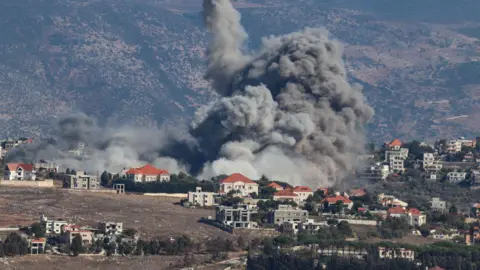
Since March 2, 2026, Israeli military operations in Lebanon have intensified dramatically, leading to a devastating humanitarian toll. According to the latest statement from Lebanon's Public Health Emergency Operation Center on Sunday, the attacks have killed 2,055 people and wounded an additional 6,588. On a single day, 35 people were killed and 152 others wounded across Lebanon, underscoring the relentless pace of the conflict. The escalation comes despite international calls for de-escalation and a recently announced ceasefire between Iran and the United States.
Background and Trigger of the Escalation
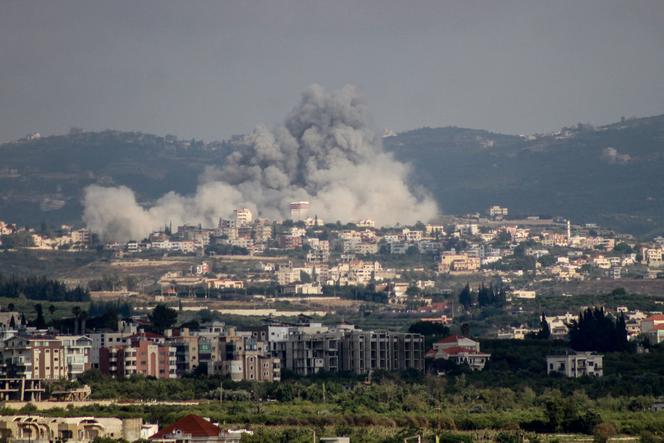
The current wave of attacks began on March 2, 2026, marking a significant intensification of the long-running conflict between Israel and Hezbollah forces in Lebanon. While the broader Middle East conflict has simmered for decades, this particular offensive was triggered by increased rocket fire from Hezbollah toward northern Israel, according to Israeli officials. In response, the Israel Defense Forces (IDF) launched a large-scale ground and air operation into southern Lebanon, establishing what Israeli Prime Minister Benjamin Netanyahu described as a "security zone" inside Lebanese territory. The operation has focused on villages along the Israel-Lebanon border, which Israeli officials claim are used as "terror outposts" by Hezbollah, though evidence for this assertion has not been publicly provided.

Ceasefire Confusion: Iran-US Truce Does Not Cover Lebanon
A significant development in the conflict came on Wednesday, April 8, when Iran and the United States agreed to a ceasefire. Israel initially stated it would abide by the truce, but quickly clarified that the agreement did not apply to Lebanon—a position that was rejected by both Iran and mediator Pakistan. This has created a complex diplomatic landscape where a ceasefire exists between two key players but does not extend to the actual conflict zone.
Prime Minister Netanyahu, during a visit to southern Lebanon on Sunday accompanied by Defense Minister Israel Katz and military Chief of Staff Eyal Zamir, stated unequivocally that "the war continues, including inside the security zone in Lebanon." Katz further announced a new operation called "The Silver Plough," aimed at demolishing all homes in border villages that Israel claims are used by Hezbollah. The visit came just days before peace talks with the Lebanese government, which are scheduled to begin later on Tuesday in the United States, raising questions about the sincerity of Israel's commitment to negotiations.
Deliberate Attacks on UN Peacekeepers
One of the most alarming aspects of the recent escalation has been the pattern of attacks on the United Nations Interim Force in Lebanon (UNIFIL). In a statement released Sunday, UNIFIL reported that Israeli forces had rammed UN vehicles with a Merkava tank on two separate occasions, causing significant damage in one incident. Israeli troops also blocked a road in the town of Bayada that was used to access UNIFIL positions.
Over the past week, Israeli soldiers have fired "warning shots" that hit and damaged clearly marked UNIFIL vehicles. In one particularly dangerous incident, a shot landed approximately one meter from a peacekeeper who had exited his vehicle. Additionally, Israeli forces have repeatedly denied peacekeepers freedom of movement, destroyed surveillance cameras at UNIFIL's headquarters in Naqoura and other positions along the Blue Line, and vandalized facilities by spray-painting the windows of a pedestrian access gate at the headquarters.
UNIFIL stated that these actions "compromise the safety and security of peacekeepers and impede the mission's ability to fulfill its mandate, including reporting violations by all parties." These incidents are considered violations of UN Security Council Resolution 1701, which ended the 2006 war between Israel and Hezbollah.

Humanitarian Crisis and Civilian Impact
The civilian toll of the conflict continues to mount, with entire families displaced and seeking shelter. The Public Health Emergency Operation Center's figures of 2,055 dead and 6,588 wounded reflect only the casualties directly attributed to Israeli attacks since March 2. The broader humanitarian crisis includes massive displacement, destruction of infrastructure, and heightened risk to vulnerable populations.
The United Nations and various humanitarian organizations have repeatedly called for safe corridors and access to affected areas, but access remains severely restricted due to ongoing military operations.
Political Responses and Path Forward
Lebanese Prime Minister Nawaf Salam addressed the nation on Sunday, commemorating the anniversary of the outbreak of the Lebanese Civil War on April 13, 1975. He emphasized that Lebanon is making efforts to halt the ongoing war and stressed the need to safeguard national unity and rebuild the state. "The objective is not only to prevent a return to civil war, but also to build a just, strong and unified state for all," Salam said, highlighting the importance of fully implementing the Taif Agreement—the 1989 accord that ended Lebanon's 15-year civil war and reasserted the government's authority in the south.
The Taif Agreement remains a cornerstone of Lebanon's political framework, and Salam called for rectifying any misapplications that violate its letter and spirit. As the country faces its worst security crisis in decades, the call for internal unity and adherence to the rule of law becomes ever more critical.
International Reactions and Diplomatic Efforts
The international community has reacted with growing alarm. The United Nations Security Council is expected to meet to discuss the situation, while the United States and European Union have called for restraint on all sides. However, the lack of a unified international response has allowed the conflict to continue unabated.
The upcoming peace talks in the United States between Israeli and Lebanese representatives represent a potential diplomatic breakthrough, but the conditions set by Israel—including the disarmament of Hezbollah—may prove to be insurmountable obstacles. Prime Minister Netanyahu reiterated on Saturday that the disarmament of Hezbollah is a prerequisite for any ceasefire agreement with Lebanon, a demand that Lebanon and Hezbollah have historically rejected.
As the death toll rises and the humanitarian situation deteriorates, the urgency for a sustainable ceasefire and a comprehensive political solution has never been greater. Without immediate action, the region risks spiraling into a wider conflict with devastating consequences for both Israeli and Lebanese civilians.